

Join our newsletter to stay up to date
Thank you! Your submission has been received!
Oops! Something went wrong while submitting the form.
Rue des Vignerons 18, 1110 Morges 1 (VD), Switzerland
email: secretariat@ineip.org
tel. +41 43 21 55 937


Access briefings, interviews, reports and newsletters from the LifeCourse Prevention Initiative with evidence-based insights to support prevention across the life course.
Drawing on expertise from healthcare, research, and policy, these resources translate scientific evidence into practical strategies for advancing prevention and improving health outcomes at every stage of life.



.webp)































.webp)
This policy report presents a comprehensive, evidence-based review and policy recommendations for RSV prevention in infants and young children. It draws on epidemiological data, clinical trial results, real-world effectiveness studies and the lived experiences of families affected by RSV to present a comprehensive picture of the burden this virus imposes and the strategies available to reduce it, also addressing the important and under-recognized interaction between RSV and pneumococcal disease.
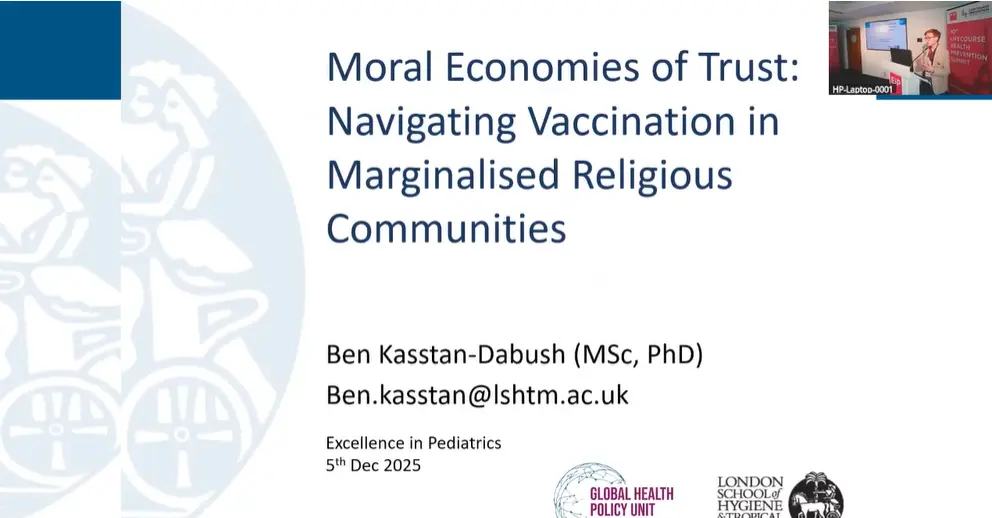
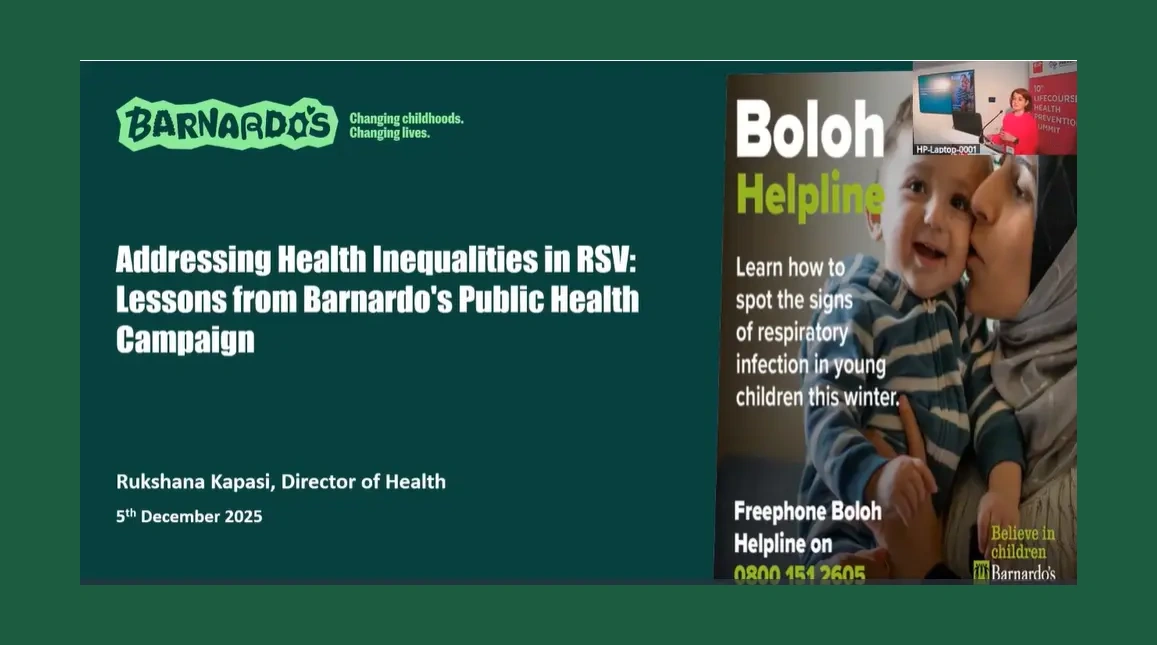
The report brings together evidence, policy perspectives, and practical experience from leading experts across public health, clinical practice, social science, civil society, and policy, all focused on a critical question: why do vaccination inequities persist, and what will it take to fix them? The answer that emerged is clear: Vaccination inequities are not accidents. They are predictable, patterned, and preventable outcomes of how systems are designed, measured, and experienced.
.webp)
This report presents findings from a survey of primary care providers and pediatricians, examining the burden of RSV across diagnosis, treatment, and prevention. It reveals rising case severity compared with prior seasons, underuse of diagnostic testing, and inconsistent vaccination recommendations. The report closes with recommendations to strengthen diagnostic capacity, standardize treatment protocols, and expand education for frontline providers.
.webp)
This report presents findings from a survey of 198 pediatric healthcare professionals that examines why children go unvaccinated in mixed-income communities. It distinguishes outright vaccination refusal driven by mistrust, sociocultural beliefs, and low health literacy from adherence issues such as missed appointments, which stem from logistical and economic barriers. The report closes with targeted recommendations for healthcare systems and practices to improve equity.
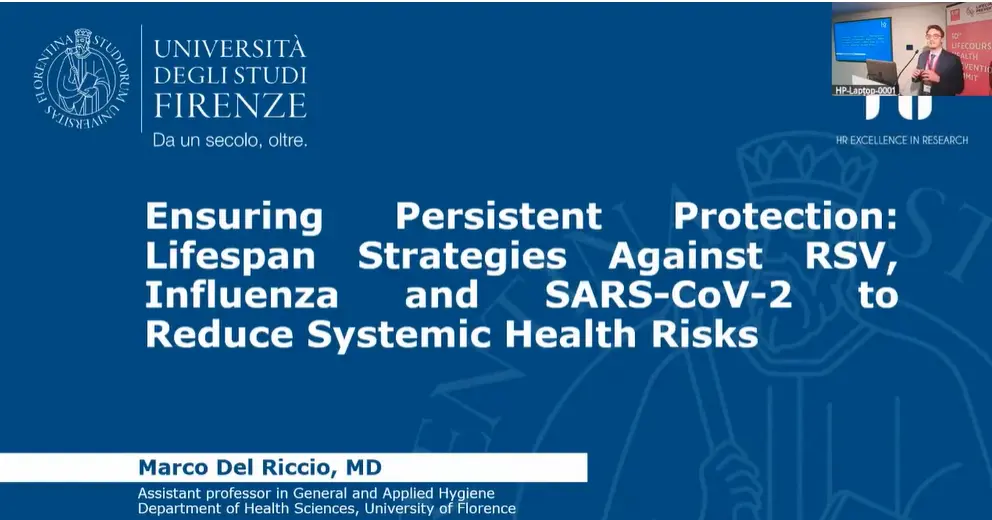
This report sets out the case for protecting all infants and adults rather than high-risk groups alone: it examines the strain on hospitals and ICUs, the link between RSV and antimicrobial resistance, the family transmission cycle that fuels epidemics, and the socioeconomic toll on families, before weighing prevention approaches from maternal immunization to long-acting monoclonal antibodies.
With flu coverage historically low after COVID, sustaining influenza vaccination has become a test of health-system resilience. This report examines three themes: protecting and expanding influenza vaccine funding, sharpening the messaging and weighing new vaccine technology against the 75% coverage target, and lifting uptake among the sub-groups that matter most — pregnant women, children, people with chronic conditions and healthcare professionals.
This report examines RSV across five themes: trends in prevalence, the wider implications of infection, the strain on hospitals and PICUs each winter, the timing and range of prevention, and how to communicate the burden and, with new prevention tools such as long-acting antibodies and maternal vaccination on the horizon, pairs each observation with the challenge it raises and sets out concrete strategies for clinicians, planners and policymakers.
Vaccine confidence faced its hardest test during the COVID pandemic, as misinformation spread faster than the evidence to counter it and hesitancy fractured into many distinct groups rather than one. This report tackles landscapes head-on across four themes: the information vectors carrying fake science, the pandemic's lasting mark on public attitudes, the trust that nurses, obstetricians and frontline clinicians can build, and the tangled drivers of hesitancy itself, pairing a clear-eyed observation with the challenge it raises.
.png)
A draft working-group report from the 6th LifeCourse Immunization Summit. Structured as paired observations, challenges, and proposed strategies, it examines what makes vaccination programs succeed across the life course — from digitizing registries and training all healthcare professionals to reaching older adults, pregnant women, and adolescents — and distills the cross-cutting lessons learned from the COVID-19 response.
.png)
The report Influenza Vaccinations examined how the arrival of COVID-19 vaccines reshaped the flu season — from delivering both vaccines together and sustaining supply, to persistent low uptake among healthcare workers and the role of women and community HCPs in reaching high-risk groups. The Group set out observations, challenges, strategies and a full slate of 2021/22 campaigns.
.png)
The Working Group on Meningococcal Vaccinations examined how the pandemic disrupted routine and school-based immunization, and the longer-term risks of delay. Across three themes, routine vaccination delays, reaching adolescents, and HCP education on high-risk groups, the Group set out observations, challenges, strategies, and actions to keep meningococcal protection on track.
.png)
The Working Group on Vaccine Confidence examined how the pandemic reshaped public trust from the spread of misinformation and polarised online discussion to low health literacy and healthcare worker hesitancy. Across seven themes, the Group set out observations, challenges, strategies and a slate of actions to rebuild confidence and equip HCPs as trusted educators.
.png)
At the 5th Life Course Immunization Summit, the Working Group on LifeCourse Immunization and Health Systems Resilience examined how COVID-19 exposed the fragility of single-focused health systems and shifted public attitudes towards vaccination. Across seven themes, from health systems resilience to maternal vaccination, the Group set out observations, challenges, strategies, and a slate of actions to advance a life-course approach to immunization.
.png)
Pediatricians and infectious disease experts examined the evidence for rotavirus vaccination, from vaccine effectiveness and cost-effectiveness to the perceived low public health priority of the disease. The Working Group made the case for universal, state-funded vaccination and set out targets to raise public awareness and strengthen surveillance across Europe.
.png)
This report examines whether meningococcal vaccination policies across Europe still match current disease trends. It brings together expert briefings on the feasibility of eradicating meningococcal disease, the socio-political factors driving national funding decisions, the remaining barriers to uptake, and the WHO Meningitis 2030 Roadmap, alongside country updates from eight European countries and a proposed action plan for 2020/2021.
.png)
This policy report examines how to identify and reach pockets of low vaccination coverage across Europe. It opens with an expert briefing on vaccination of the Roma population before widening to other excluded groups, including the homeless, drug users and undocumented people. The report brings together statements from the EU Commission, CPME, EPSA and EAHP, country updates from Croatia, the Netherlands, Spain, Bulgaria and Finland, and a proposed action plan for 2020/2021.
.png)
This Policy Meeting report examines educational gaps and behavioral change in vaccination uptake, among both healthcare professionals and parents. Presented at the 11th Excellence in Pediatrics Conference, it brings together expert briefings on improving HCP education and on applying adult learning principles and motivational interviewing to conversations with parents, alongside country updates from Serbia, Spain and Finland and a proposed action plan for 2020/2021.
.png)
This Policy Meeting report examines how online vaccine misinformation can be better countered. Presented at the 11th Excellence in Pediatrics Conference in December 2019, it brings together expert briefings on the need for evidence-based credible information and vaccinology training, how healthcare professionals can engage effectively on social media, and interventions from the WHO, CPME and EPSA, alongside country experience from Latvia and Serbia and a proposed action plan for 2020/2021.
.png)
This report captures the discussions of the 2019 EIP Policy Focus Group on lifecourse immunization, bringing together perspectives from public health, clinical practice, and policy experts across Europe. It examines the barriers to maternal, adolescent, and adult vaccination uptake, from healthcare provider advocacy to public trust, and outlines a 2020/2021 action plan to advance vaccination as a lifelong health practice rather than a childhood-only measure.
This policy report summarizes briefings from the EU Commission, the WHO and the Vaccine Confidence Project. It covers current vaccination coverage and hesitancy across Europe, the EU's LifeCourse vaccination priorities, WHO's 2030 Regional Immunization Agenda, and the drivers of vaccine confidence and hesitancy, alongside expert Working Group discussion and conclusions from each participating organization.
.png)
Experts from the 11th Excellence in Pediatrics Conference examined influenza vaccination uptake across Europe, from register-based effectiveness studies to the vaccination of healthy children and healthcare professionals. The Working Group set out targets to improve coverage rates, strengthen vaccine registers, and counter vaccine misinformation as part of a LifeCourse approach to flu prevention.
.png)
This report sets out the case for universal varicella vaccination across Europe as it brings together expert briefings on Latvia's two-dose program, modeling of disease and hospitalization rates in Italy, vaccine effectiveness following regional schedules in Spain, the picture across Central and Eastern Europe, and the case for targeting high-risk groups, alongside a proposed action plan for 2020/2021.
This report summarizes the 3rd LifeCourse Immunization Focus Group, held in Prague on 7th December 2018. It covers policy country-level immunization updates from various European countries and the recommendations of five working groups on healthcare professional hesitancy, economic value, antimicrobial resistance, mandatory vaccination, and community immunity.

RSV drives pneumococcal disease and shapes lung function into adulthood. Why its lasting burden is the strongest case for early universal prevention.
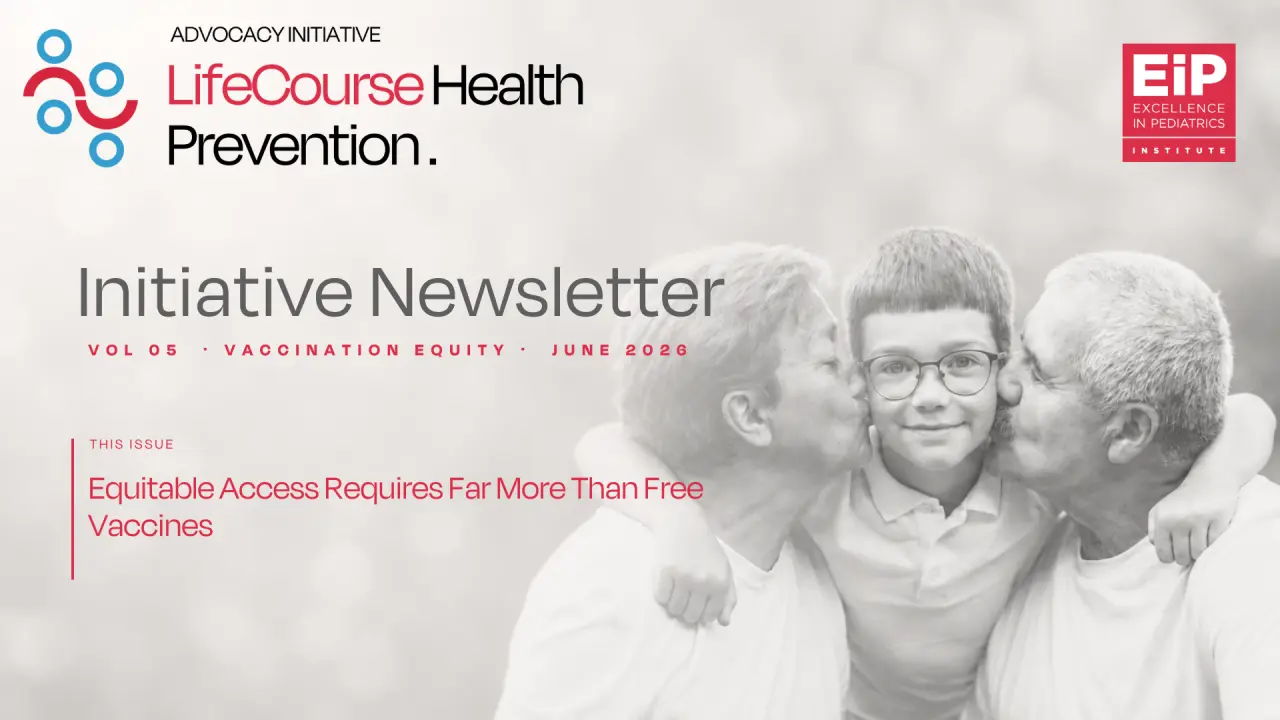
Free vaccines don't guarantee equal access. Why child poverty drives vaccination inequity, and why reducing it is a prerequisite.

The tools for RSV prevention work; coverage decides the impact. Multi-country evidence on reaching every infant, from the 2025 LifeCourse Prevention Summit.

When communities are engaged as partners, vaccination programs work better. Insights from the 2025 LifeCourse Summit on co-design, engagement, and equity.

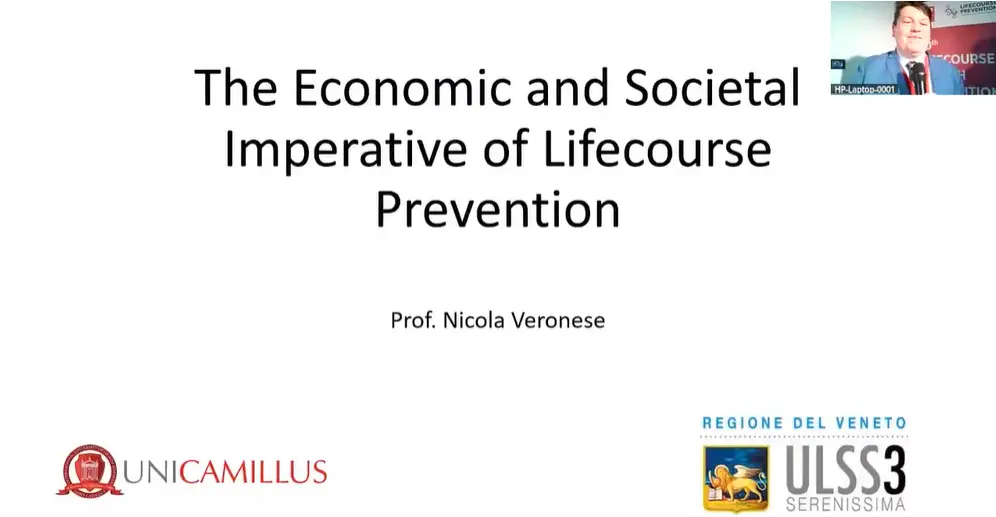
Most infants hospitalized with RSV are otherwise healthy. Why universal prevention outperforms targeted strategies - insights from the 2025 LifeCourse Summit.
Why do vaccination systems fail the communities they serve? Insights from the 2025 LifeCourse Prevention Summit on trust, access, and the case for system change