


Join our newsletter to stay up to date
Thank you! Your submission has been received!
Oops! Something went wrong while submitting the form.
Rue des Vignerons 18, 1110 Morges 1 (VD), Switzerland
email: secretariat@ineip.org
tel. +41 43 21 55 937


Safe and effective vaccines exist, yet significant inequities in vaccination uptake and protection persist across populations and settings. Children and families experiencing poverty, social exclusion and limited access to services are consistently missed by the systems meant to protect them, with consequences that extend across the life course. How can we work together to close these gaps and ensure every child, every community, is protected?

Vaccination inequity is too often framed as a matter of individual choice or "vaccine hesitancy." Yet, the evidence is clear: inequities are predictable, patterned, and preventable outcomes of how health systems are designed, measured, and experienced. Families are not failing to vaccinate; in many cases, systems are failing families.
Headline coverage figures can look reassuring while masking deep inequalities between groups and areas. Because systems rarely track timeliness or drop-out, these gaps are often spotted only after an outbreak.
Poverty, housing instability, inflexible hours, and complex appointment systems all obstruct vaccination — regardless of whether the vaccine is free. Access has to be designed around how families actually live.
Mistrust in vaccination usually reflects a broader mistrust in institutions, shaped by real experiences of inconsistent or unresponsive services. Trust is built through how systems behave over time, not through messaging alone.
Vaccination choices reflect shared values, relationships, and community norms, not individual knowledge alone. Decisions are often shaped through family and social networks rather than formal authorities.
This meeting report from the December 2025 LifeCourse Prevention Summit examines why vaccination inequities persist despite safe, effective vaccines and sets out an evidence-based framework for action.
Download the ReportVaccination inequities are predictable, patterned, and preventable outcomes of system design.

Make equity a core performance priority, embedded in governance, delivery, and accountability — not an aspirational add-on.

Disaggregate coverage and track timeliness and drop-out, so inequities become visible early enough to act on.

Build equity into programs from the outset, especially when introducing new vaccines, rather than retrofitting it later.

Free vaccines aren't enough; address the structural obstacles to access and align resources with need.

Strengthen trust through consistency, transparency, and responsive services supporting the professionals who carry it.

Treat community engagement as core infrastructure: co-designed, locally embedded, and sustained over time.
Explore a collection of policy briefings, expert interviews, reports and newsletters from the LifeCourse Prevention Initiative.

.webp)

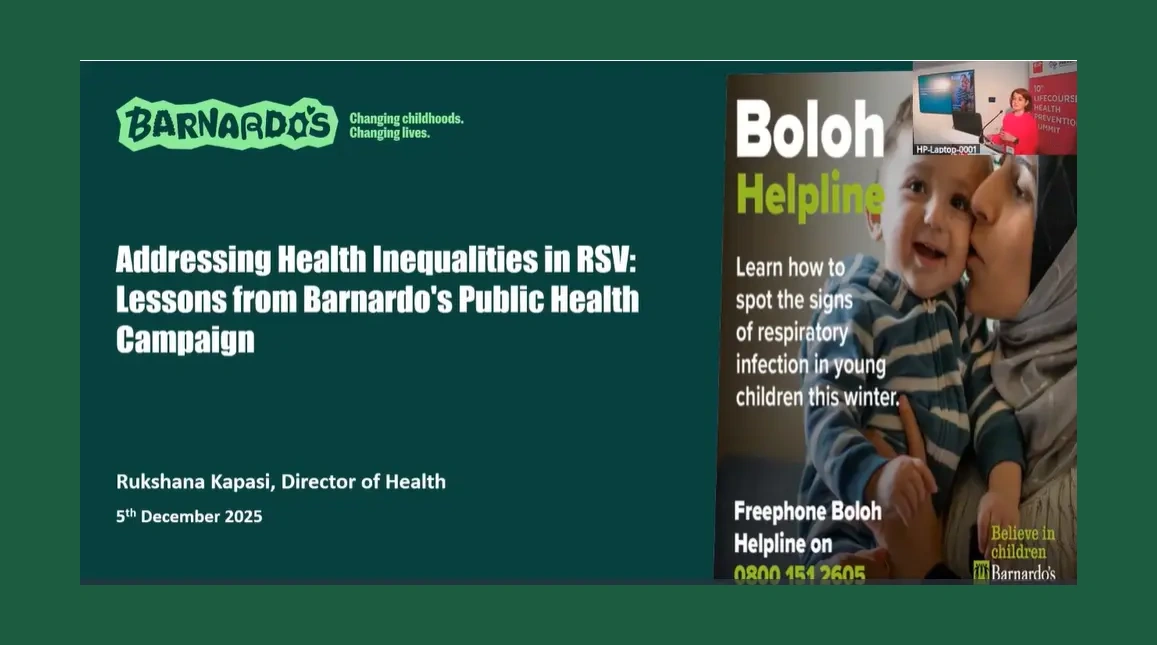

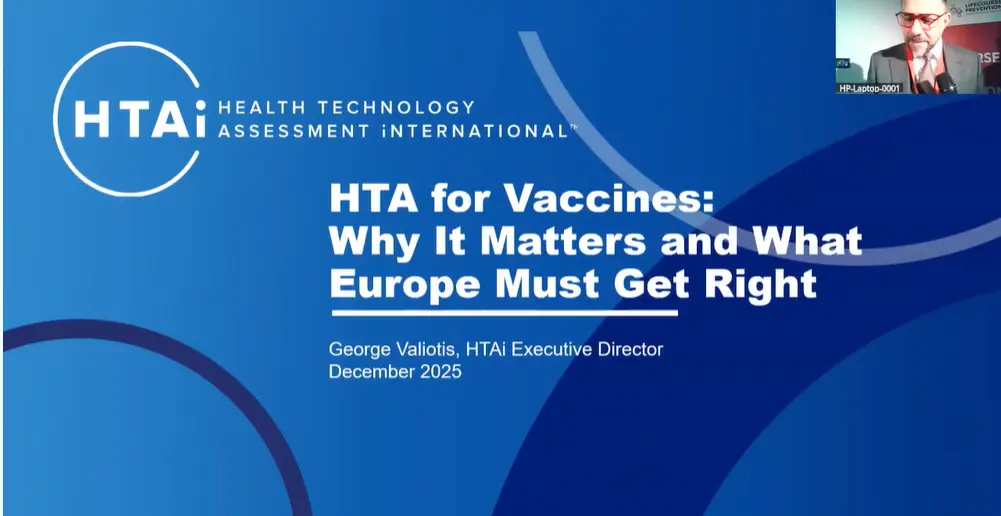

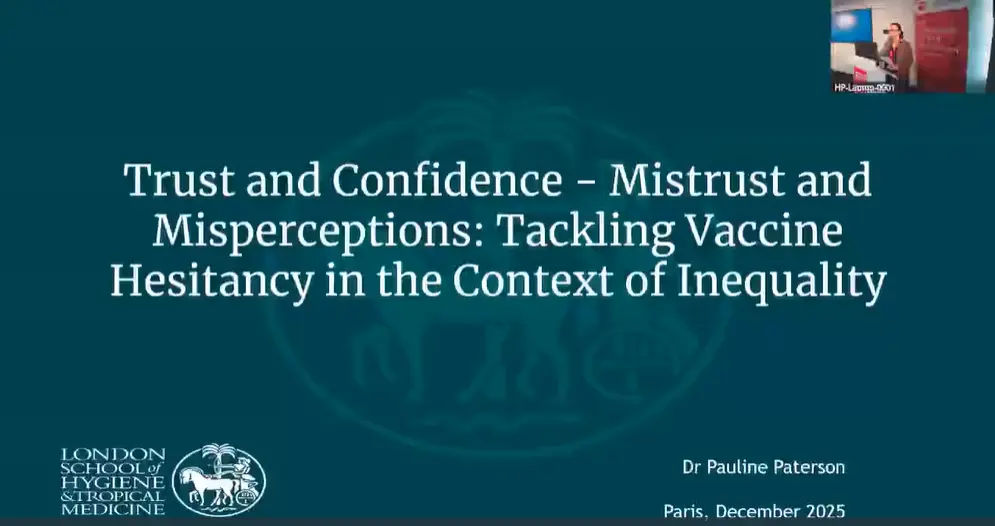

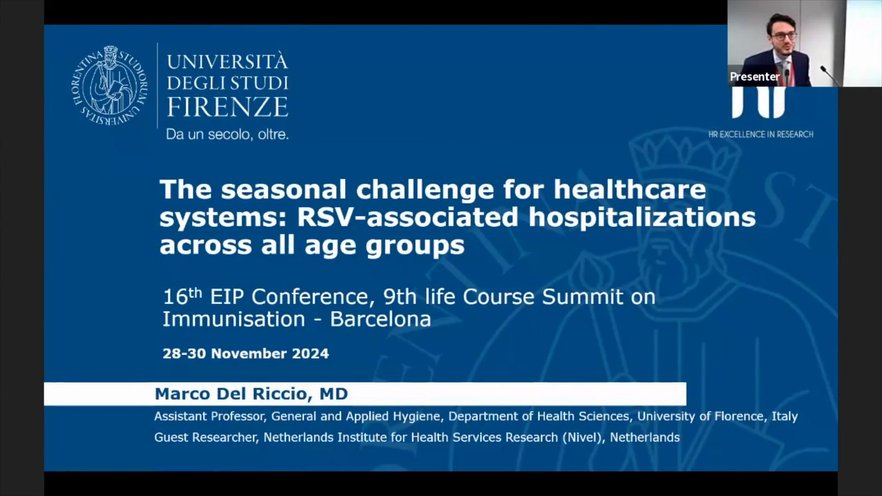








The report brings together evidence, policy perspectives, and practical experience from leading experts across public health, clinical practice, social science, civil society, and policy, all focused on a critical question: why do vaccination inequities persist, and what will it take to fix them? The answer that emerged is clear: Vaccination inequities are not accidents. They are predictable, patterned, and preventable outcomes of how systems are designed, measured, and experienced.
.webp)
This report presents findings from a survey of 198 pediatric healthcare professionals that examines why children go unvaccinated in mixed-income communities. It distinguishes outright vaccination refusal driven by mistrust, sociocultural beliefs, and low health literacy from adherence issues such as missed appointments, which stem from logistical and economic barriers. The report closes with targeted recommendations for healthcare systems and practices to improve equity.
Free vaccines don't guarantee equal access. Why child poverty drives vaccination inequity, and why reducing it is a prerequisite.

When communities are engaged as partners, vaccination programs work better. Insights from the 2025 LifeCourse Summit on co-design, engagement, and equity.
Why do vaccination systems fail the communities they serve? Insights from the 2025 LifeCourse Prevention Summit on trust, access, and the case for system change