










Health Equity
Deliver prevention strategies that protect populations across every stage of life through equitable access to vaccination.
The LifeCourse Prevention Initiative is a multi-stakeholder policy platform dedicated to advancing prevention across the full span of life, from early childhood through late adulthood. It brings together scientific expertise,clinical leadership, and policy engagement to translate evidence into action,addressing the system-level barriers that limit the impact of prevention across populations.


Our mission is to serve as a dynamic bridge between science and policy, ensuring that health strategies and interventions are grounded in robust evidence and are responsive to the evolving needs of populations across the life course. By bringing together expertise from healthcare, public health, epidemiology, behavioral science, economics, and more, the Initiative promotes integrated approaches to disease prevention and health promotion.
Become a MemberThe LifeCourse Prevention Initiative advances prevention by bringing together scientific evidence, policy engagement, and cross-sector collaboration through global events, strategic campaigns, and expert-led resources that drive prevention-focused action across healthcare systems worldwide.
International summits, scientific sessions, and expert discussions connecting policymakers, healthcare leaders, and researchers.

Collaborative awareness and policy initiatives designed to address critical prevention challenges and strengthen public engagement.

Evidence-based reports, expert briefings, and strategic publications translating scientific research into actionable insights.

Stay informed with the latest reports, strategic updates, and prevention-focused insights from the LifeCourse Prevention Initiative and its global partners.
.webp)
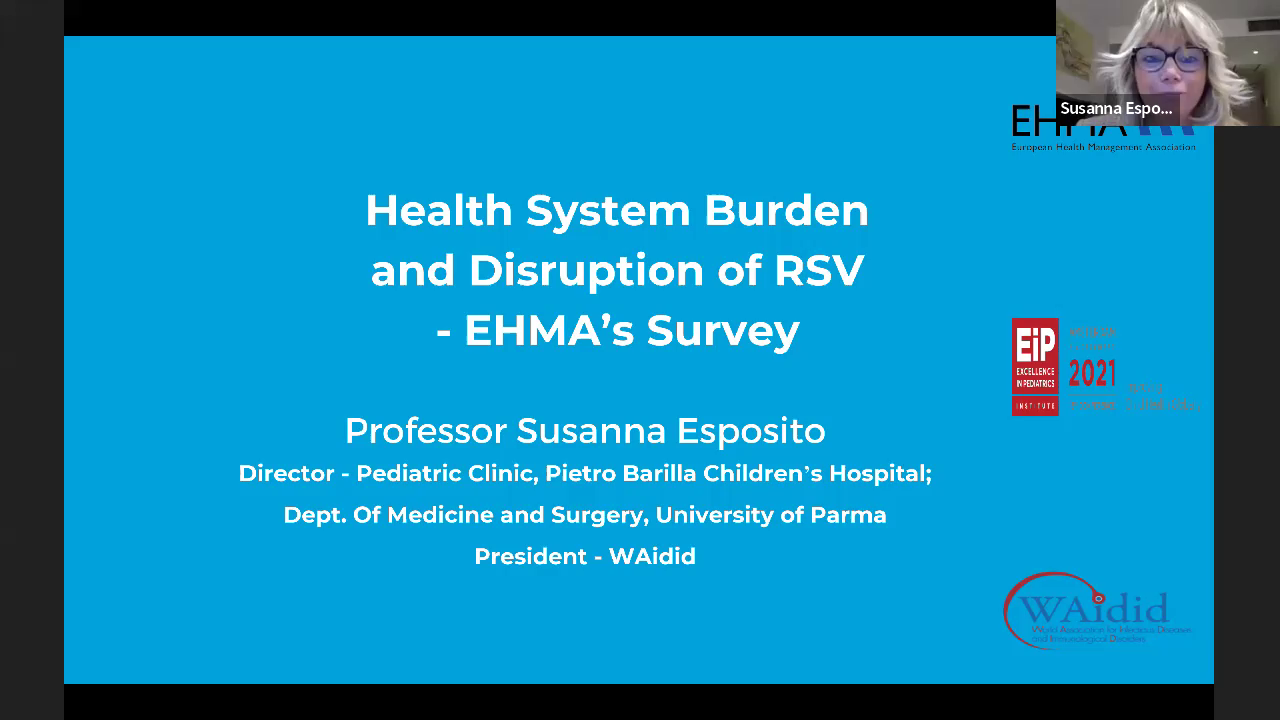
This report presents findings from a survey of primary care providers and pediatricians, examining the burden of RSV across diagnosis, treatment, and prevention. It reveals rising case severity compared with prior seasons, underuse of diagnostic testing, and inconsistent vaccination recommendations. The report closes with recommendations to strengthen diagnostic capacity, standardize treatment protocols, and expand education for frontline providers.
.webp)
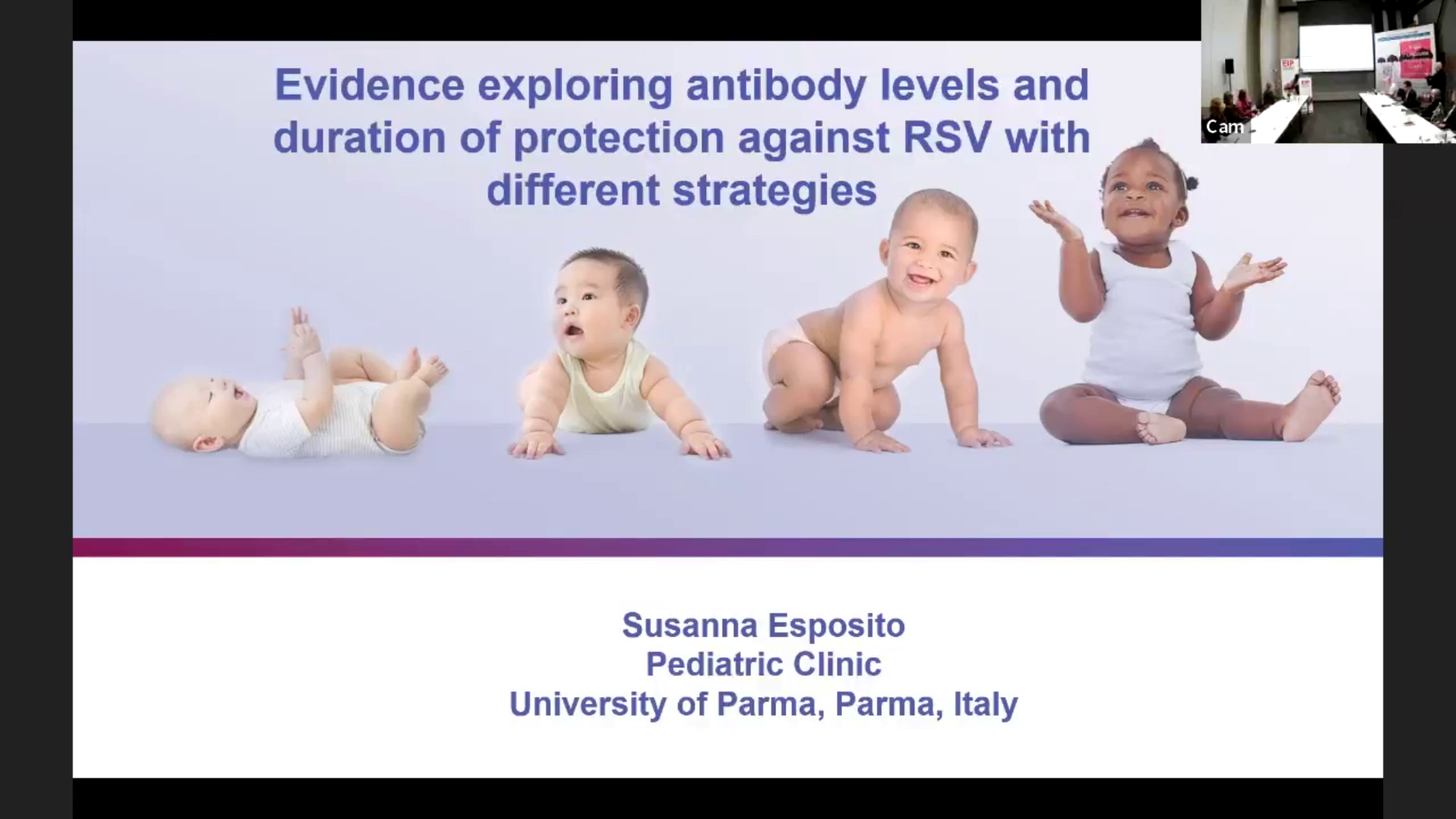
This policy report presents a comprehensive, evidence-based review and policy recommendations for RSV prevention in infants and young children. It draws on epidemiological data, clinical trial results, real-world effectiveness studies and the lived experiences of families affected by RSV to present a comprehensive picture of the burden this virus imposes and the strategies available to reduce it, also addressing the important and under-recognized interaction between RSV and pneumococcal disease.
.webp)
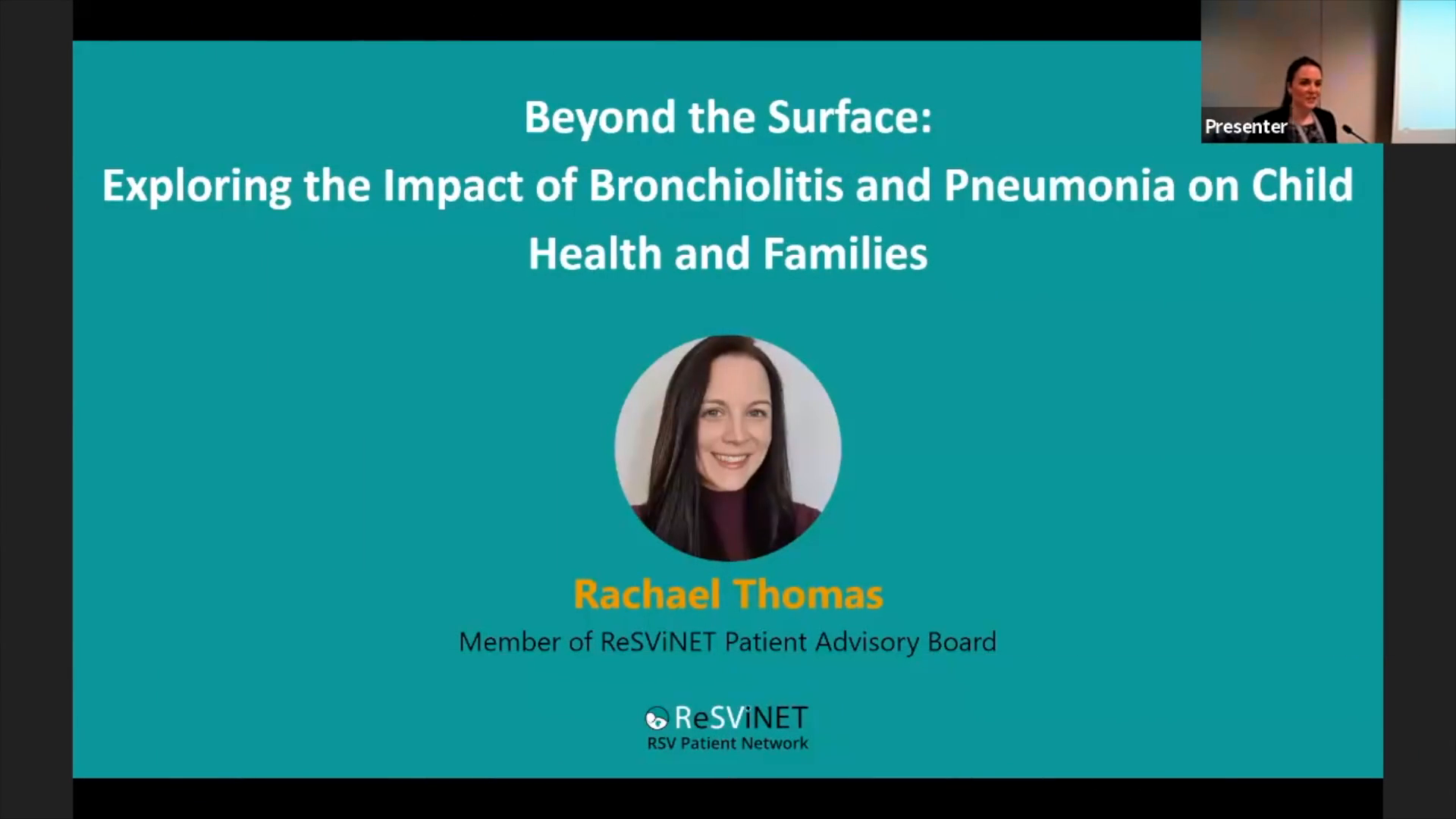
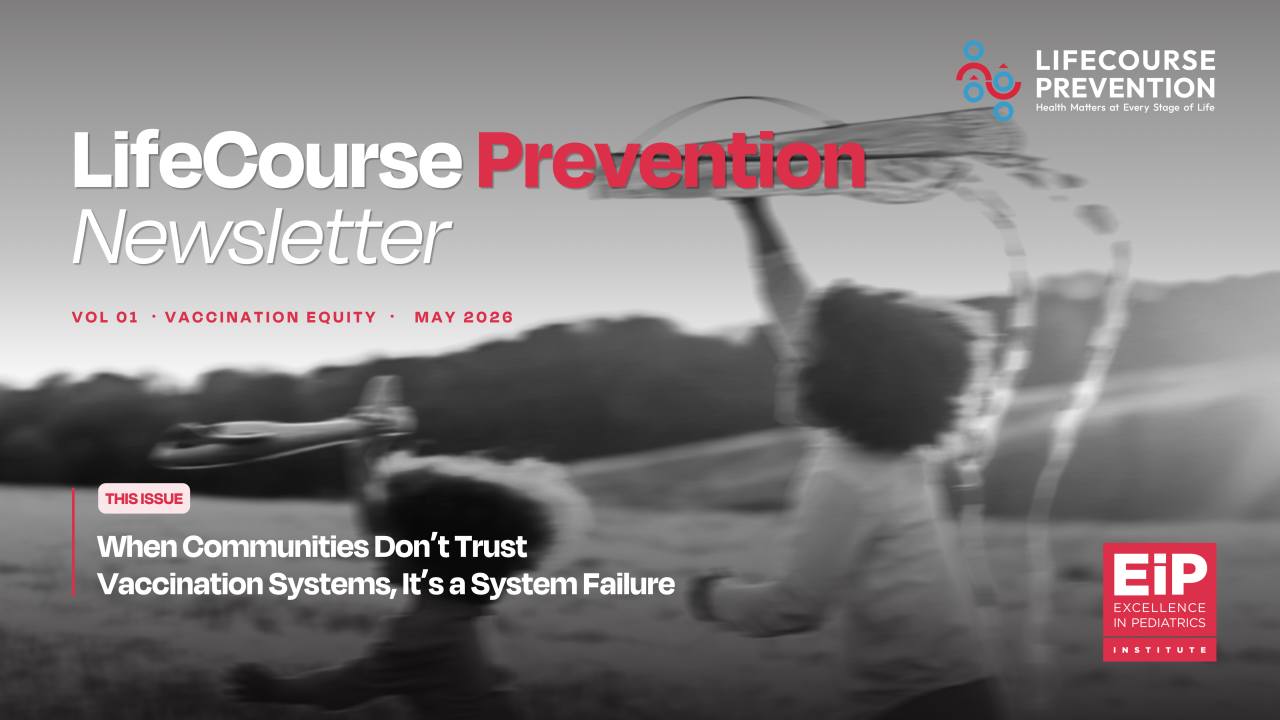
This report presents findings from a survey of 198 pediatric healthcare professionals that examines why children go unvaccinated in mixed-income communities. It distinguishes outright vaccination refusal driven by mistrust, sociocultural beliefs, and low health literacy from adherence issues such as missed appointments, which stem from logistical and economic barriers. The report closes with targeted recommendations for healthcare systems and practices to improve equity.

The report brings together evidence, policy perspectives, and practical experience from leading experts across public health, clinical practice, social science, civil society, and policy, all focused on a critical question: why do vaccination inequities persist, and what will it take to fix them? The answer that emerged is clear: Vaccination inequities are not accidents. They are predictable, patterned, and preventable outcomes of how systems are designed, measured, and experienced.

Why do vaccination systems fail the communities they serve? Insights from the 2025 LifeCourse Prevention Summit on trust, access, and the case for system change

Most infants hospitalized with RSV are otherwise healthy. Why universal prevention outperforms targeted strategies - insights from the 2025 LifeCourse Summit.

When communities are engaged as partners, vaccination programs work better. Insights from the 2025 LifeCourse Summit on co-design, engagement, and equity.

The tools for RSV prevention work; coverage decides the impact. Multi-country evidence on reaching every infant, from the 2025 LifeCourse Prevention Summit.

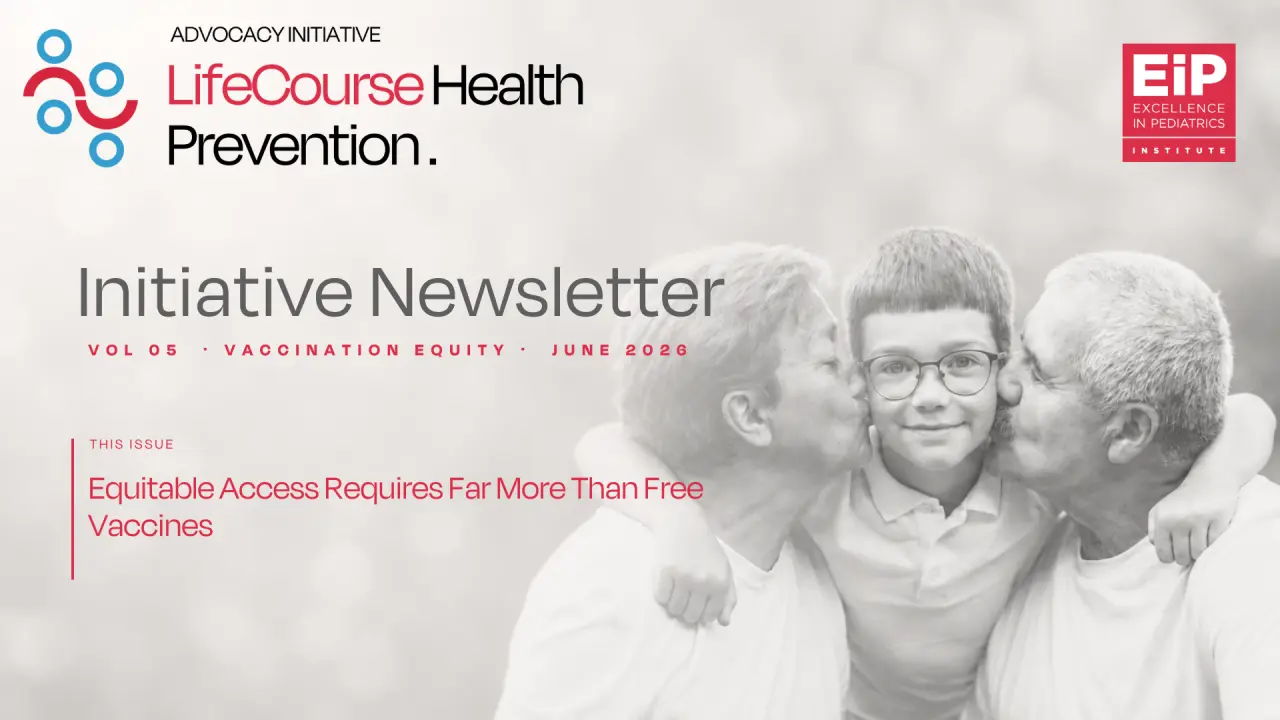
Free vaccines don't guarantee equal access. Why child poverty drives vaccination inequity, and why reducing it is a prerequisite.

RSV drives pneumococcal disease and shapes lung function into adulthood. Why its lasting burden is the strongest case for early universal prevention.
The initiative focuses on key prevention priorities shaping health systems, policy frameworks, and long-term population outcomes across the LifeCourse.
Deliver prevention strategies that protect populations across every stage of life through equitable access to vaccination.
Promote healthier ageing trajectories through preventive strategies that improve quality of life.
Advance equitable access to prevention, healthcare systems, and public health initiatives across diverse populations.
Strengthen preparedness, vaccination, and prevention frameworks to reduce the burden of infectious diseases.
Support prevention strategies focused on early intervention, behavioral health, and long-term chronic disease reduction.
Explore how preventive investment models can improve health outcomes while reducing long-term costs.