This policy report presents a comprehensive, evidence-based review and policy recommendations for RSV prevention in infants and young children. It draws on epidemiological data, clinical trial results, real-world effectiveness studies and the lived experiences of families affected by RSV to present a comprehensive picture of the burden this virus imposes and the strategies available to reduce it, also addressing the important and under-recognized interaction between RSV and pneumococcal disease.
Evidence, Strategy & Policy for RSV Prevention in the First Years of Life
Respiratory syncytial virus (RSV) is one of the most common and serious respiratory viruses affecting infants and young children worldwide. Every year, it causes tens of millions of lower respiratory tract infections, more than three million hospitalizations in children under five, and thousands of deaths globally. In Europe alone, RSV is responsible for more than 200,000 hospitalizations annually in children, with over 75% occurring in infants under one year of age. Yet for decades, prevention options were limited, and the virus was widely dismissed as little more than a common cold.
That has changed fundamentally. A new generation of prevention tools has demonstrated high efficacy in clinical trials and, crucially, in real-world settings across multiple countries. These include long-acting monoclonal antibodies, laboratory-produced proteins that provide immediate passive protection against RSV, and a maternal vaccine, administered during pregnancy to transfer protective antibodies to the newborn. In countries where these tools have been implemented with high coverage, RSV-associated hospitalizations have fallen by more than 80%.
This policy report, grounded in current scientific evidence and expert discussions held at the 17th Excellence in Pediatrics Conference and the 10th LifeCourse Prevention Summit, both organized in Paris in December 2025, presents a comprehensive, evidence-based review and policy recommendations for RSV prevention in infants and young children. It draws on epidemiological data, clinical trial results, real-world effectiveness studies, and the lived experiences of families affected by RSV to present a comprehensive picture of the burden this virus imposes and the strategies available to reduce it. It also addresses the important and under-recognized interaction between RSV and pneumococcal disease, which reinforces the case for prevention beyond bronchiolitis and hospitalization alone.
The recommendations set out in this report are directed at clinicians, health system leaders, and policymakers at national and international level. They call for universal infant protection strategies, strengthened primary care education, sustained public awareness campaigns, and investment in the research infrastructure needed to understand the full and lasting impact of RSV prevention programs. Effective prevention tools are now available. Every season without adequate prevention is a season in which infants who could have been protected will be hospitalized, and some will not survive.
1.
Respiratory syncytial virus is the leading cause of lower respiratory tract infection in infants and young children worldwide. Every year, it is estimated that RSV causes 33 million episodes of lower respiratory tract infection in children under five years of age, resulting in more than three million hospitalizations and over 100,000 deaths in this age group alone. In Europe, the burden is substantial and well-documented: more than 200,000 children are hospitalized annually due to RSV, with over 75% of admissions occurring in infants under one year of age. RSV is the most common cause of bronchiolitis, accounting for up to 80% of cases, and is a major driver of both emergency department visits and pediatric intensive care unit admissions across all income settings.
The virus follows a predictable but geographically variable seasonal pattern. In the northern hemisphere, RSV typically peaks between September and January, sometimes extending to mid-March. In the southern hemisphere, circulation is concentrated between March and June, while in tropical and subtropical climates, the peak aligns closely with the rainy season or periods of higher temperature. This seasonality has direct implications for prevention planning, as it determines the window within which protective interventions must be administered to be effective.
Understanding who is affected is as critical as understanding the overall scale of the burden. For many years, clinical attention focused predominantly on preterm infants and those with underlying chronic conditions as the primary targets for RSV prevention. The evidence, however, presents a more complex picture.
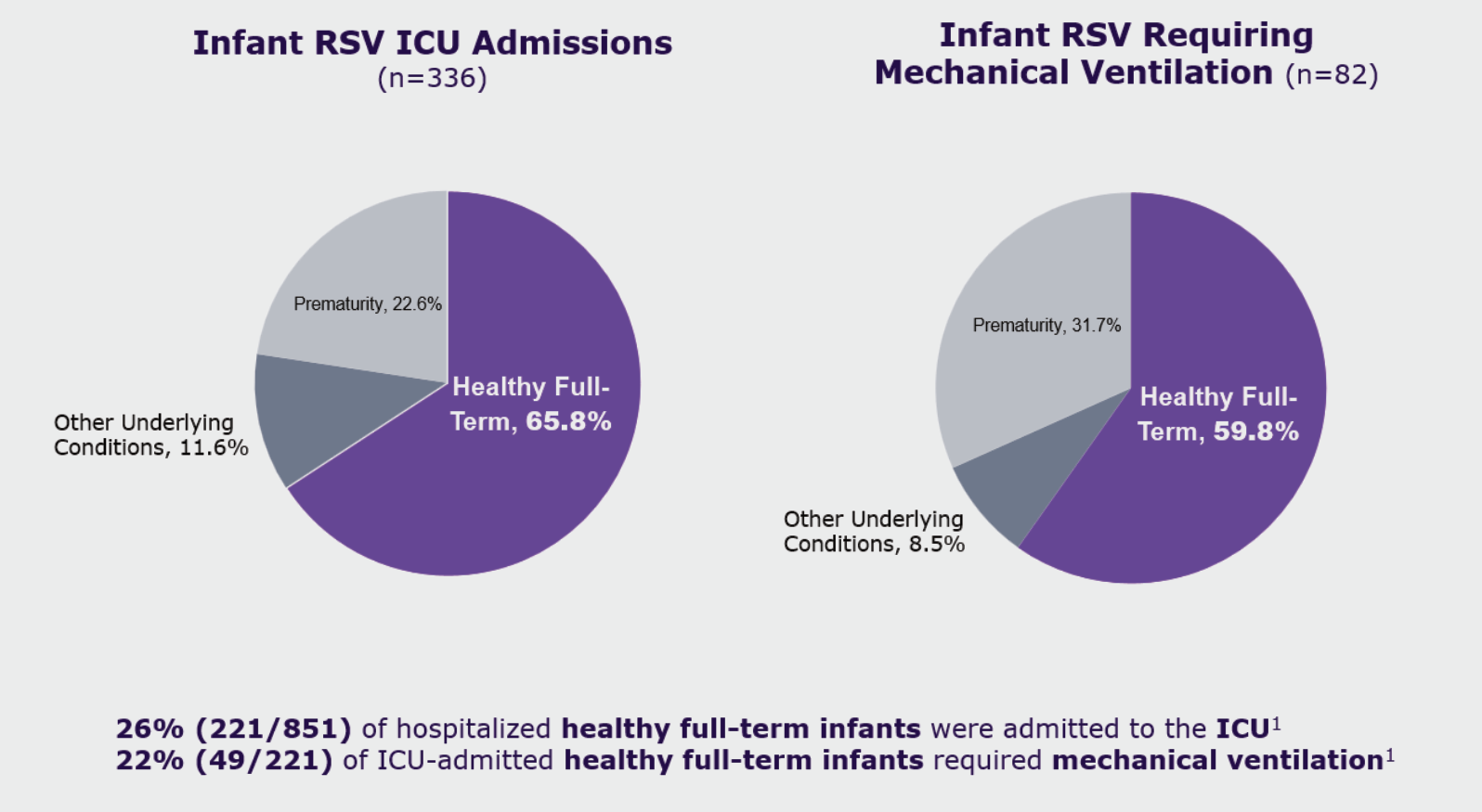
One of the most important and often overlooked aspects of RSV epidemiology is that the majority of severe cases, including the majority of hospitalizations and pediatric intensive care admissions, occur in otherwise healthy, full-term infants. This is not a virus that confines its most serious consequences to the most medically fragile. Data from multiple countries consistently show that when the total population of hospitalized infants is examined, healthy full-term babies represent the largest single group.
This has profound implications for prevention policy. A strategy that targets only high-risk infants will, by definition, leave the majority of vulnerable children unprotected. The data support the need for extended protection of all infants, not only those who can be identified in advance as being at elevated clinical risk.
The burden of RSV also extends well beyond the hospital. Data from the United States and European countries demonstrate high rates of outpatient visits and emergency care attendances in the first year of life attributable to RSV. These visits represent a significant and often underestimated component of the overall healthcare burden, consuming clinical time and resources across primary and secondary care settings alike.
Most ICU and Mechanical Ventilation Admissions for RSV Occur in Healthy Full-Term Infants
Arriola CS et al., 2020
Distribution of infant RSV-related ICU admissions and mechanical ventilation by health status, United States, October 2014–April 2015. Among 336 infants admitted to intensive care for RSV, 65.8% were healthy full-term infants; among 82 infants requiring mechanical ventilation, 59.8% were healthy full-term. These data challenge the assumption that severe RSV disease is confined to premature or medically fragile infants and underscore the rationale for universal rather than risk-targeted prevention strategies (Arriola CS et al., Journal of the Pediatric Infectious Diseases Society. 2020;9(5):587–595, Supplementary Tables 4–6).
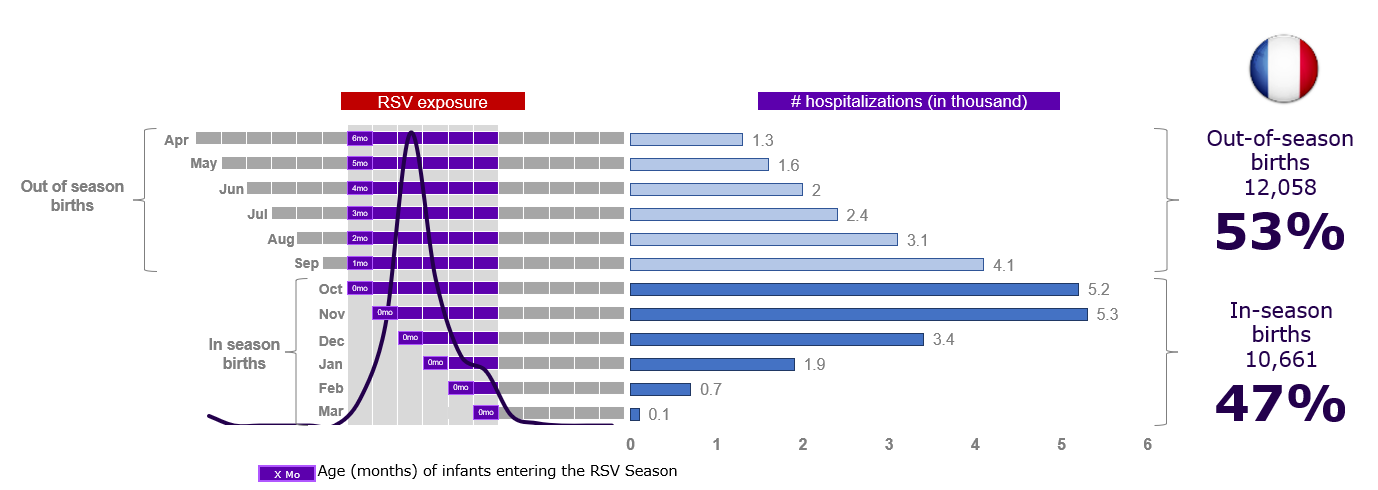
A further dimension of RSV epidemiology with direct policy relevance is the relationship between birth timing and hospitalization risk. Analysis of hospitalization data from multiple European countries reveals that roughly half of all infants hospitalized with RSV were born before the RSV season began, while the other half were born during the season itself. Data from France and Spain, for example, show that although the distribution varies slightly by country, the proportion of infants born in- and out-of-season is consistently close to 50%.
This finding is critical. It demonstrates that a prevention strategy focused exclusively on infants born during the RSV season will miss approximately half of those at risk. Universal protection strategies, those that cover all infants regardless of when they were born, are therefore not merely preferable but necessary if the goal is to achieve meaningful reductions in the overall burden of hospitalization.
Real-world evidence from Spain and Italy has confirmed this principle in practice. In the Galicia region of Spain, a universal prevention program achieved coverage rates exceeding 88% in infants born out of season and over 95% in those born during the season. The results demonstrated significant reductions in emergency room admissions, hospitalizations, and pediatric intensive care admissions across both groups. Similar findings were reported from a study conducted across three hospitals in Tuscany, Italy, reinforcing the conclusion that universal strategies consistently outperform targeted ones.
All Infants Born Before and During the RSV Season Are Susceptible to Hospitalization in France
Demont C et al., 2021
RSV-associated hospitalizations in France by birth month, showing RSV exposure window and hospitalization volume for infants born in and out of season, 2010–2018. Among 22,719 hospitalizations, 53% occurred in infants born outside the RSV season (April–September) who entered the season at ages 1–6 months, and 47% in those born during the season. The greatest absolute number of hospitalizations occurred among infants born in October and November who entered the season as newborns. This distribution demonstrates that prevention strategies limited to in-season births will miss more than half of the hospitalization burden (Adapted from Demont C et al., BMC Infectious Diseases. 2021;21:730.)
The consequences of RSV infection in early life are not confined to the acute episode. RSV bronchiolitis during the first six months of life is associated with an increased risk of pneumonia and acute otitis media, along with a higher likelihood of antibiotic use in the subsequent six months. This pattern reflects the biological interaction between RSV and bacterial pathogens, particularly Streptococcus pneumoniae, which is explored in detail in Section 2.
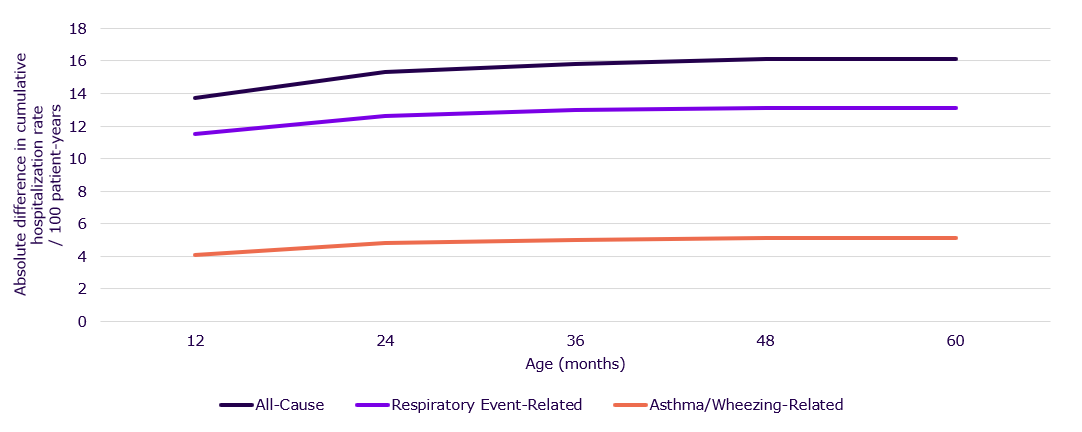
Over the longer term, infants who acquire RSV in their first year of life incur significantly greater healthcare resource utilization in the years that follow compared with children who were not infected. RSV infection is associated with recurrent wheezing and an elevated risk of developing asthma, though the precise mechanisms and the question of which children are most susceptible remain areas of active research. The CLARITY project, an international research consortium bringing together patient organizations, universities, and university hospitals across Europe, is specifically designed to investigate why some children who experience RSV early in life appear more likely to develop asthma later on, with the aim of enabling earlier recognition, earlier intervention, and improved understanding for affected families.
The economic consequences are correspondingly significant. Direct healthcare costs — hospitalizations, outpatient visits, diagnostics, and treatments — are compounded by indirect costs including parental absence from work, similar illness transmitted to family members, and the ongoing healthcare needs of children with post-RSV respiratory complications.
Children Hospitalized for RSV in Infancy Have Higher Healthcare Utilization in Subsequent Years
Simões EAF et al., 2020
Absolute difference in cumulative hospitalization rate between infants hospitalized with RSV in their first year of life and healthy controls, followed to 60 months of age. By age 5, previously hospitalized full-term healthy infants had accumulated 16 additional hospitalizations per 100 patient-years compared with controls (all-cause, dark line). The excess was driven primarily by respiratory events (purple line), with a smaller but persistent contribution from asthma- and wheezing-related admissions (orange line). All comparisons were statistically significant (P < 0.01). These findings illustrate the enduring healthcare burden of early RSV infection and strengthen the economic case for prevention (Adapted from Simões EAF et al., Journal of Infectious Diseases. 2020;221(8):1256–1270.)
Epidemiological figures and healthcare cost analysis, however comprehensive, do not fully capture what RSV means to the families it affects. The burden of this virus is not only systemic; it is deeply personal, and it endures long after the acute infection has resolved.
Rachel Thomas, a mother, RSV advocate, university lecturer, and member of ResViNet, shared her family’s experience at the Excellence in Pediatrics Conference. Her son Alexander, a healthy baby born at term, contracted RSV at thirteen weeks of age. Despite receiving medical attention, he died in the early hours of 5 February 2010. He was too small, and the virus was too powerful. More than fifteen years later, the consequences of that loss continue to shape every member of her family.
Alexander’s story is not unique. In 2023, Rachel Thomas’ nephew, Tobias, became critically ill with RSV at seven months of age. He survived, but continues to require specialist care for ongoing health problems linked to his infection. Another family in the patient network, that of Brenda, experienced a similar trajectory: her son Thomas contracted RSV at three weeks of age and spent three weeks on life support in intensive care. He survived, but his life remains profoundly affected. He relies on inhalers and medication, reacts to environmental triggers such as cold air and dust, misses school frequently due to fatigue, and has been recommended an extra year in kindergarten. His doctor has explained that he uses so much energy simply to breathe that there is less available for learning.
The impact of RSV extends to siblings and wider family members. Oliver, Alexander’s older brother, was four years old when Alexander died. Now twenty, he still visits his brother’s grave and describes the grief as feeling as fresh as the week it happened. In every card he writes, he adds Alexander’s name. The loss has shaped his identity and his sense of responsibility. His story, shared publicly during RSV Awareness Week 2025, is a reminder that the consequences of a single RSV infection can ripple through an entire family across an entire lifetime.
These experiences also illuminate an important systemic failure: the persistent gap in RSV awareness among healthcare professionals and the general public alike. Rachel Thomas described going to her general practitioner the day before Alexander died, being reassured that he probably had a mild case of bronchiolitis, and being sent home. Her midwife, after Alexander’s death, did not know what RSV was. Sixteen years later, this knowledge gap has not been fully closed.
The financial, social, and emotional toll on families is substantial. Parents of severely affected children report stopping work, avoiding public gatherings, and experiencing persistent anxiety during the winter season. These consequences, while not routinely captured in health economic analyses, are a significant dimension of RSV’s broader burden and must be considered in prevention policy.
2.
To understand the interaction between RSV and Streptococcus pneumoniae, it is necessary to first appreciate how early and how ubiquitously pneumococcal colonization occurs in infants. The nasopharynx has traditionally been considered the primary reservoir of pneumococcus, though it is now understood that colonization also occurs in the oropharynx and saliva. From these sites, the bacterium can cause infections of both the upper and lower respiratory tract, as well as invasive disease including sepsis, meningitis, and bacteraemic pneumonia.
The timing and intensity of colonization vary considerably by setting. Data from Finland, collected during studies of the heptavalent conjugate vaccine, showed colonization beginning as early as two weeks of life, with rates rising progressively through infancy depending on household size, the presence of older siblings, and attendance at daycare. In contrast, data from Papua, New Guinea showed that 40% of infants were already carrying Streptococcus pneumoniae within the first two weeks of life, reflecting the markedly different epidemiological conditions of lower-income settings. Studies from Gambia demonstrated not only rapid colonization but also the simultaneous carriage of multiple serotypes, which increases the probability of developing disease caused by one or more of those serotypes.
Understanding colonization patterns is therefore essential to explain how pneumococcal disease develops, and why certain viral infections — RSV in particular — can accelerate the progression from colonization to serious illness.
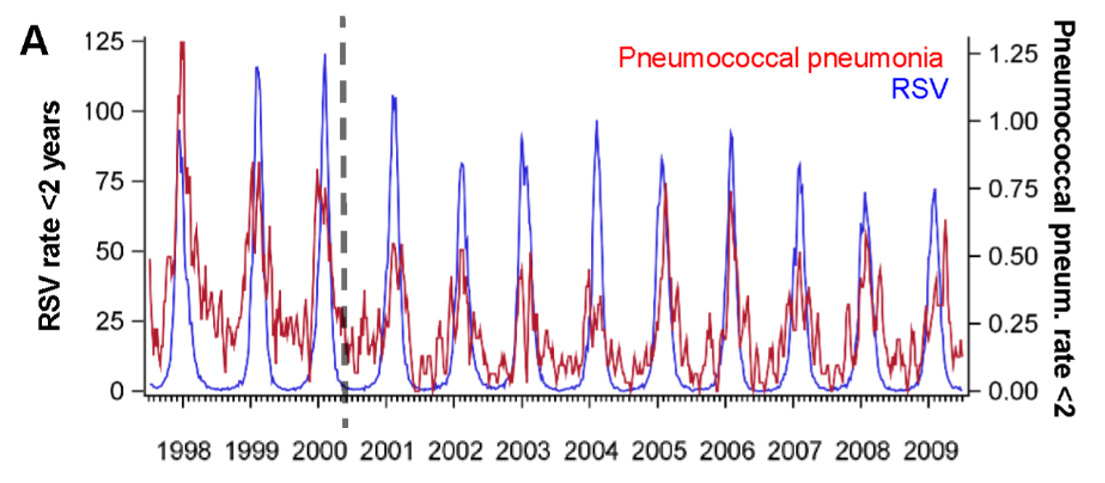
RSV and Streptococcus pneumoniae share a common clinical territory. Both pathogens are implicated in pneumonia, acute otitis media, and lower respiratory tract infections in young children, and the peak of RSV season consistently coincides with peaks in pneumococcal disease. Data from the United States and Canada have demonstrated this temporal overlap clearly: when RSV circulation is high, pneumococcal disease rises in parallel, a pattern that is not coincidental.
In children under two years of age, RSV is a commonly identified pathogen in community-acquired pneumonia, but pneumococcus is a frequent and serious co-contributor. Studies examining viral-bacterial interactions in acute otitis media have quantified this relationship with particular clarity. When pneumococcus alone was present, the incidence of acute otitis media was relatively low. When high viral load of RSV alone was present, incidence increased more substantially. But when both RSV and pneumococcus were present simultaneously, the odds ratio reached 4.4, demonstrating that the combined presence of the two pathogens produces a risk that significantly exceeds that of either pathogen alone.
Evidence from Israel further supports this relationship. Researchers there, using carefully defined clinical and radiological criteria for alveolar pneumonia — a presentation strongly associated with pneumococcal etiology — documented a clear pattern: during the pandemic period, when RSV circulation was suppressed by public health measures, community-acquired alveolar pneumonia fell significantly. When measures were lifted and RSV returned, alveolar pneumonia rose again. The implication is direct: RSV is not merely a co-traveler with pneumococcal disease. It is a facilitator.
Data from a study of RSV bronchiolitis in the first six months of life further support this conclusion, showing that infants who experienced RSV bronchiolitis had an increased probability of developing pneumonia, acute otitis media, and requiring antibiotic treatment in the subsequent six months. RSV, in this sense, appears to prepare the ground for pneumococcal disease to take hold.
Incidence of Pneumococcal Pneumonia Compared with RSV Among Children Aged <2 Years in California, USA
Weinberger DM et al., 2015
Temporal co-occurrence of pneumococcal pneumonia and RSV activity among children aged <2 years in California, 1998–2009. The incidence of pneumococcal pneumonia (red line, right axis) closely tracks the seasonal peaks of RSV (blue line, left axis) across more than a decade of surveillance. The dashed vertical line marks the introduction of PCV7 in 2000–2001, after which pneumococcal pneumonia rates declined, but the seasonal correlation with RSV persisted. This pattern supports the hypothesis that RSV activity is a driver of pneumococcal pneumonia rather than merely a co-occurring seasonal phenomenon (Adapted from Weinberger DM et al., PLoS Medicine. 2015;12(1): e1001776.)
Trends in Alveolar Pneumonia Hospitalizations Among Children Aged <5 Years in Southern Israel, 2004–2022
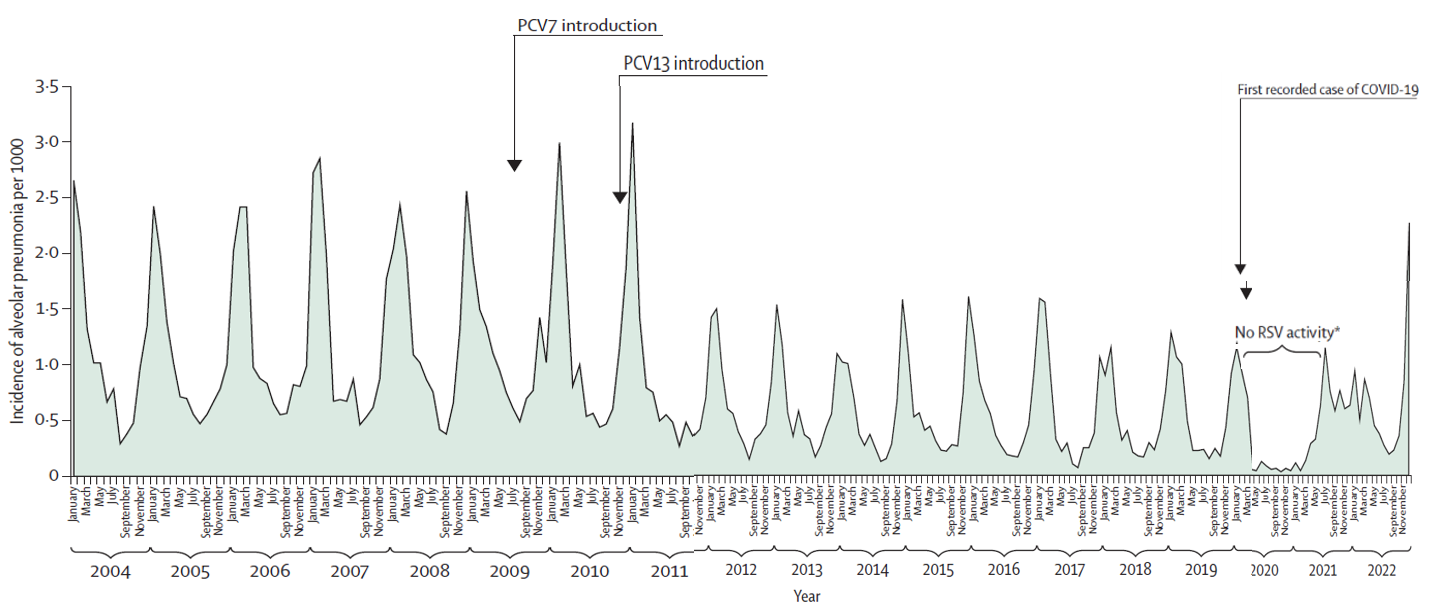
Dagan R et al., 2022; 2023; Ben-Shimol S et al., 2020
Monthly incidence of hospitalizations for community-acquired alveolar pneumonia among children aged <5 years in Southern Israel, 2004–2022. The figure shows a clear seasonal pattern over nearly two decades, with reductions in incidence following the introduction of PCV7 (2009) and PCV13 (2010). During the COVID-19 period (2020–2021), suppression of RSV circulation through non-pharmaceutical interventions was accompanied by a marked decline in alveolar pneumonia. When public health measures were relaxed and RSV activity resumed, incidence increased sharply, providing quasi-experimental evidence for a causal relationship between RSV and pneumococcal pneumonia (Adapted from Dagan R et al., JAMA Network Open. 2022;5:e2218966; Dagan R, EBioMedicine. 2023;90:104493; Ben-Shimol S et al., Clinical Infectious Diseases. 2020;71:177–87.)
The epidemiological evidence of RSV-pneumococcus interaction is now supported by a growing body of biological research that identifies the mechanisms by which these two pathogens influence each other. Three distinct pathways have been described.
The first is host-dependent. RSV infection increases epithelial expression of adhesion molecules, which, in turn, facilitate the adherence and invasion of pneumococcal bacteria. In this pathway, the host’s inflammatory response to RSV creates the conditions for pneumococcal disease.
The second mechanism operates at the level of direct pathogen-pathogen interaction. RSV expresses a G-glycoprotein that binds to a pneumococcal surface protein, and this binding is associated with increased bacterial adherence to human ciliated epithelial cells. This is not merely a matter of the two pathogens co-existing in the same anatomical space; they interact in ways that actively enhance the pathogenicity of each other.
The third mechanism involves the respiratory microbiome. RSV infection appears to disrupt the normal microbial community of the respiratory tract, inducing dysbiosis that alters the relative abundance of its members and creates conditions more favorable to pneumococcal proliferation and disease. The microbiome thus functions as a third factor in the interaction between RSV, pneumococcus and the host.
The interaction between RSV and pneumococcus has implications that run in both directions. Pneumococcal conjugate vaccines, by reducing pneumococcal colonization and disease, have been associated with reductions in RSV-associated pneumonia. A landmark study conducted in South Africa using a nine-valent conjugate vaccine demonstrated a 32% decrease in RSV-associated pneumonia in children who were not HIV-infected — a significant finding given that the vaccine was targeting a bacterium, not a virus. Subsequent data from Israel and other settings, using PCV13, confirmed reductions in alveolar pneumonia and all-cause acute otitis media following conjugate vaccine implementation.
Conversely, reducing RSV circulation through monoclonal antibodies and maternal vaccination is likely to reduce the biological conditions that facilitate pneumococcal disease. Given that RSV accounts for a substantial proportion of community-acquired alveolar pneumonia, early observations from France and other countries are beginning to document changes in pneumococcal disease patterns following the introduction of RSV prevention programs, though the full picture will take several seasons to emerge.
This bidirectional relationship has important consequences for how pediatricians and public health authorities think about respiratory disease prevention. RSV prevention should not be evaluated solely on the basis of bronchiolitis or RSV-specific hospitalization rates. Its potential to reduce the broader burden of pneumococcal disease — including pneumonia, otitis media, and antibiotic consumption — must also be factored into assessments of value. Conversely, high and sustained pneumococcal vaccination coverage remains an important complement to RSV prevention strategies, particularly while RSV-specific interventions are still being rolled out and coverage remains incomplete in many settings.
The full extent of this interaction and the degree to which reducing RSV circulation will reshape the landscape of pneumococcal disease in young children remain important open questions. It is one that will require careful surveillance, well-designed prospective studies, and close collaboration between those working on viral and bacterial respiratory disease. What is already clear, however, is that RSV and pneumococcus cannot be considered in isolation. Their interaction is real, it is biologically grounded, and it amplifies the case for comprehensive and universal RSV prevention.
Trends in Community-Acquired Alveolar Pneumonia Following PCV7 and PCV13 Introduction Among Children Aged <5 Years in Israel
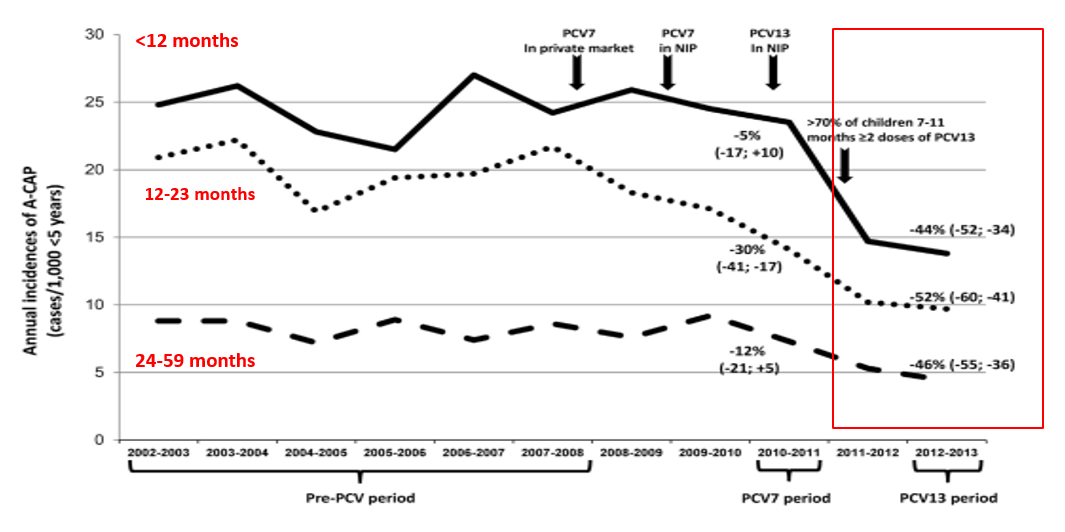
Greenberg D et al., 2015
Impact of pneumococcal conjugate vaccine introduction on the incidence of community-acquired alveolar pneumonia among children aged <5 years in Israel, 2002–2013. Following the introduction of PCV7 (2009) and PCV13 (2010) into the national immunization program, the annual incidence of alveolar pneumonia declined substantially across all age groups: by 44% in children aged <12 months, 52% in those aged 12–23 months, and 46% in those aged 24–59 months, compared with the pre-PCV period. As alveolar pneumonia in young children is largely driven by the interaction between respiratory viruses — particularly RSV — and pneumococcus, these findings illustrate the bidirectional nature of the RSV–pneumococcal relationship: reducing the bacterial component through vaccination attenuates the impact of viral circulation (Adapted from Greenberg D et al., Vaccine. 2015;33:4623–4629.)
3.
The prevention of RSV in infants and young children can currently be pursued through three distinct pathways: vaccination of the infant directly through an RSV-specific vaccine, immunization of the mother during pregnancy so that protective antibodies are transferred to the newborn, and passive immunization of the infant through the administration of monoclonal antibodies. Each pathway has a different profile in terms of timing of protection, duration of coverage, operational requirements, and suitability across different health system contexts. Understanding these differences is essential for designing prevention programs that are both effective and feasible.
Infant immunization through a dedicated RSV vaccine would, in principle, offer the most direct and durable form of protection. However, no RSV vaccine is currently approved for use in infants. Candidate pediatric RSV vaccines currently in development would likely require at least two doses before adequate protection is achieved, making it extremely difficult to provide coverage in the youngest and most vulnerable infants, who are at greatest risk before a complete primary series can be administered. This pathway does not represent an option for current prevention planning, though ongoing research in this area remains an important scientific priority.
Maternal immunization, using a recombinant RSV pre-fusion F protein vaccine, works by generating maternal antibodies that cross the placenta and provide the newborn with passive protection from birth. This approach leverages existing antenatal care infrastructure and has the advantage of reaching the infant before any postnatal intervention is possible. Its principal limitation is seasonality: if a vaccinated mother gives birth out of season, the antibodies transferred at birth may wane before the infant enters their first RSV season, leaving a window of vulnerability. The timing of vaccination during pregnancy — recommended from 24 weeks of gestation, with Italian guidelines specifying between 32 and 36 weeks — must therefore be carefully managed in relation to the expected RSV season in a given setting.
Monoclonal antibodies represent the third pathway and, in the current landscape, the one with the strongest operational track record for universal infant protection. Long-acting monoclonal antibodies can be administered as a single dose at or before the beginning of the RSV season, providing up to six months of protection. This means that an infant born during the season can be protected from birth, and an infant born out of season can be protected at the start of their first season, regardless of when maternal vaccination may have occurred. The ability to co-administer monoclonal antibodies alongside routine pediatric vaccinations further simplifies delivery and supports integration into existing immunization programs.
The registration trials for the long-acting monoclonal antibody currently approved and in use across Europe and the United States demonstrated consistently high efficacy across a range of clinical endpoints. Reductions of approximately 80% were observed in RSV-associated lower respiratory tract infections requiring medical attendance, in RSV-related hospitalizations, and in admissions to the pediatric intensive care unit. Importantly, these results were consistent across infants of all gestational ages and weight categories, including those born preterm and those weighing less than five kilograms. This breadth of efficacy across the full population of infants strengthened the case for universal rather than targeted use.
On the basis of this evidence, regulatory approval was granted for use in all infants under eight months of age born during or entering their first RSV season, including those previously recommended to receive the older, shorter-acting monoclonal antibody. Approval also covers children aged between eight and nineteen months who are at high risk for severe RSV disease and entering their second RSV season. Palivizumab, which required monthly administration for five consecutive months, has been superseded by the superior convenience and comparable or greater efficacy of the long-acting alternatives.
A second long-acting monoclonal antibody has received a positive evaluation from the European Medicines Agency and is awaiting final approval, with availability anticipated from the next RSV season. Two studies published in the New England Journal of Medicine have documented its efficacy. In the first, conducted in healthy infants and moderately preterm babies, efficacy against severe lower respiratory tract infections reached up to 90%, with advantages demonstrated against both RSV-A and RSV-B subtypes, and no evidence of viral escape. Hospitalizations were reduced, and among infants who were hospitalized despite prophylaxis, the duration of hospital stay and the requirement for oxygen supplementation were also reduced. The safety profile was favorable, with no serious adverse events attributable to the product. In the second study, a direct comparison with palivizumab in preterm infants at high risk demonstrated equivalent results, suggesting that the two products offer a similar profile in this population.
Clinical trial data, however rigorous, represent controlled conditions that do not always translate directly to population-level impact. The real-world evidence accumulated over two seasons of broad implementation in Europe and beyond has been equally compelling, and in some cases has exceeded the results observed in trials.
The most extensively documented example comes from Galicia, a region of Spain, where a universal prevention program was implemented with exceptional rigor. Coverage reached 88.5% in infants born out of season and 95.3% in those born during the season, with even higher rates among high-risk children. At these coverage levels, the program produced dramatic reductions in RSV-associated hospitalizations, pediatric intensive care admissions, and outpatient visits across the entire infant population, with benefits observed in both in-season and out-of-season births. The Galicia data provide the most comprehensive evidence to date of what universal RSV prevention can achieve when implementation is systematic and coverage is high.
Similar results have been reported from Tuscany in Italy, where a study conducted across three hospitals confirmed reductions in RSV-associated hospitalizations in both in-season and out-of-season births, reinforcing the conclusion that universal strategies are superior to targeted ones. In Ireland, the national Pathfinder program, introduced in September 2024, achieved approximately 90% coverage in some regions and reported an 80 to 85% reduction in RSV-associated hospitalizations nationally. Perhaps most strikingly, the critical care transport of infants during winter for respiratory conditions fell by approximately 90% in the first season, a result with significant implications for the capacity and sustainability of pediatric intensive care services.
The relationship between coverage and impact warrants particular emphasis. The evidence consistently shows that a coverage threshold of at least 70% with monoclonal antibodies is required to produce a reduction in hospitalization of more than 80% at the population level. Below this threshold, the benefits, while real, are considerably reduced. A coverage of approximately 60% produces a reduction in hospitalizations of around 50%. This dose-response relationship between coverage and impact is a critical consideration for program design and resource allocation.
Impact of Nirsevimab on RSV Hospitalizations During the 2023–2024 Season in Galicia, Spain
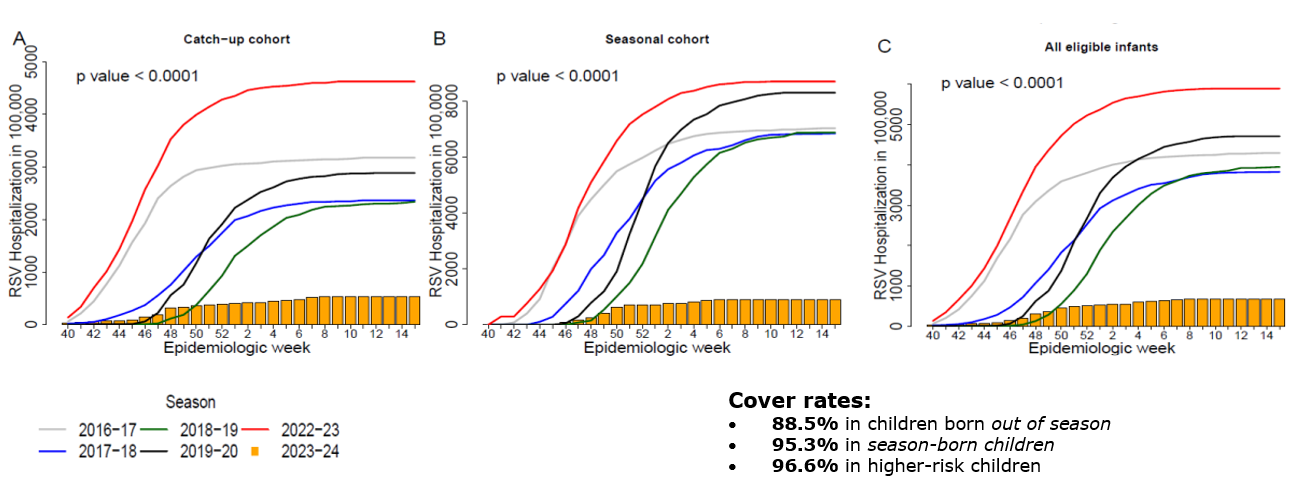
Mallah N et al., 2024
Impact of universal nirsevimab prophylaxis on RSV hospitalizations in Galicia, Spain, during the 2023–2024 season (NIRSE-GAL study). Cumulative RSV hospitalization rates per 100,000 are shown by epidemiological week for six pre-intervention seasons (2016–2017 through 2022–2023) compared with the intervention season (2023–2024, orange bars). Coverage reached 88.5% in infants born outside the RSV season and 95.3% in those born during the season. The program achieved an 89.2% reduction in hospitalizations across the entire cohort, with reductions of 95.2% in season-born and 81.6% in out-of-season birth cohorts. These findings represent one of the most comprehensive real-world demonstrations of the population-level impact achievable through universal RSV prevention with high coverage (Adapted from Mallah N et al., The Lancet Infectious Diseases. 2024.)
Several countries have opted for maternal vaccination as their primary or sole RSV prevention strategy, and the evidence from these programs adds important dimensions to the overall picture. The choice of maternal vaccination over monoclonal antibodies has generally been driven by two factors: the existence of well-functioning antenatal immunization infrastructures and cost considerations associated with monoclonal antibody procurement.
Argentina launched one of the most ambitious maternal RSV vaccination programs to date, beginning in March 2024 with coverage exceeding 60% among eligible pregnant women — a rate higher than that achieved in many other countries, including the United States, where a mixed strategy was offered but coverage for the maternal vaccine remained below 50%. The Argentine program demonstrated a 78.6% reduction in lower respiratory tract infections requiring hospitalization in the first three months of life, falling to approximately 70% over the first six months. An ecological before-and-after analysis showed a reduction in all-cause hospitalizations of between 33 and 41%. A prospective nested case-control study confirmed vaccine effectiveness in reducing RSV-associated hospitalizations, and vaccinated RSV-positive cases experienced shorter hospital stays and reduced oxygen requirements compared to unvaccinated cases.
In the United States, where both maternal vaccination and monoclonal antibodies are available to eligible populations, maternal vaccination alone demonstrated a 54% reduction in RSV-associated emergency department visits among infants of vaccinated mothers, with hospitalizations reduced by between 70 and 79%. Safety data were reassuring, showing no increased risk of preterm birth or small-for-gestational-age births.
The United Kingdom adopted a strategy of maternal vaccination only, administered throughout the year regardless of RSV seasonality. Among infants born at least 14 days after maternal vaccination — the interval needed to ensure adequate antibody transfer — protection reached 72%. Results from Scotland were consistent, with benefits observed in preterm infants as well. The UK experience demonstrates that an all-year-round approach to maternal vaccination can be operationally feasible and effective, though the 14-day interval requirement introduces a limitation for infants born shortly after their mother receives the vaccine.
A consistent observation across maternal vaccination programs is that coverage tends to be lower than that achievable with monoclonal antibodies, and that variability in coverage is higher, particularly among ethnic minority populations and other vulnerable groups. In the UK, for example, while survey data suggested that up to 89% of women were willing to accept a maternal RSV vaccine, actual uptake in the immunization program was 57%, with rates among ethnic minorities approximately 30 percentage points lower. This gap between expressed willingness and actual uptake is a recurring challenge in maternal immunization and underscores the importance of targeted outreach and culturally sensitive communication strategies.
Real-World Effectiveness of Maternal RSV Vaccination Program in Preventing RSV Hospitalization in Infants (BERNI Study, Argentina)
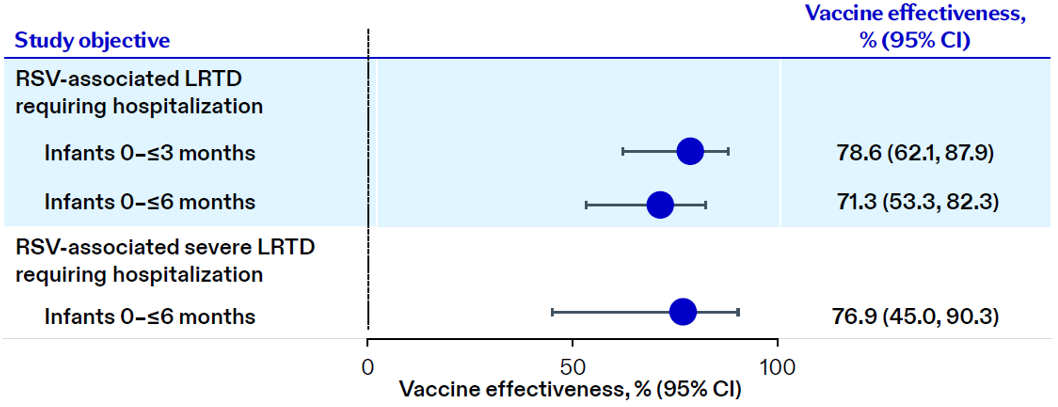
Pérez Marc G et al., 2025
Real-world effectiveness of maternal RSV vaccination against RSV-associated lower respiratory tract disease requiring hospitalization in Argentina, 2024 (BERNI study). Adjusted vaccine effectiveness was 78.6% (95% CI, 62.1–87.9) in infants aged 0–3 months and 71.3% (95% CI, 53.3–82.3) in infants aged 0–6 months. Vaccine effectiveness against severe RSV-associated disease requiring hospitalization was 76.9% (95% CI, 45.0–90.3). Among RSV-positive infants, those whose mothers were vaccinated had shorter hospital stays and lower oxygen requirements than those whose mothers were unvaccinated. Three RSV-associated in-hospital deaths occurred among infants whose mothers had not received RSVpreF. These findings are consistent with randomized trial evidence (Adapted from Pérez Marc G et al., The Lancet Infectious Diseases. 2025.)
The most comprehensive approach to RSV prevention currently in practice is the combined strategy, in which both maternal vaccination and monoclonal antibodies are offered, allowing each to complement the other and maximizing the proportion of infants who enter their first RSV season with protection in place. Data from Luxembourg provides the most compelling evidence of what this approach can achieve.
Luxembourg adopted a philosophy of protection for every child, using whichever pathway was most appropriate for each family. In the first season, the program relied primarily on monoclonal antibodies, achieving coverage of 81%. In the second season, maternal vaccination was added to the offer, and coverage rose to 92.5%. With this combined approach, the reduction in RSV-associated hospitalizations reached 76% — a benefit 44.5 percentage points greater than that observed with monoclonal antibodies alone. This result powerfully illustrates the additive value of combining the two strategies and the importance of reaching every infant regardless of birth timing or maternal vaccination status.
Australia has also explored a combined strategy, reflecting a broader recognition among experts that offering both maternal immunization and monoclonal antibodies may provide comprehensive protection where health system capacity allows. Thus, offering both maternal immunization and monoclonal antibodies is the strategy that works best. Where a choice must be made, monoclonal antibodies offer the more reliable route to high coverage and consistent efficacy, but the combined approach remains the gold standard.
The modelling implications of these different strategies are instructive for policymakers. To achieve a reduction in hospitalization pressure of more than 80%, monoclonal antibody coverage must reach at least 70%. With maternal immunization alone, a coverage of 70% is required to produce meaningful results, and coverage above 50% is difficult to achieve consistently in many settings. A combined strategy, however, allows lower maternal vaccination coverage to be supplemented by monoclonal antibodies, pushing total protected coverage above 80% and delivering the population-level impact that neither strategy could achieve alone at realistic coverage rates.
Decline in RSV Hospitalizations Among Infants Aged <1 Year Following Introduction of RSV Immunization Strategies in Luxembourg (2022–2025)
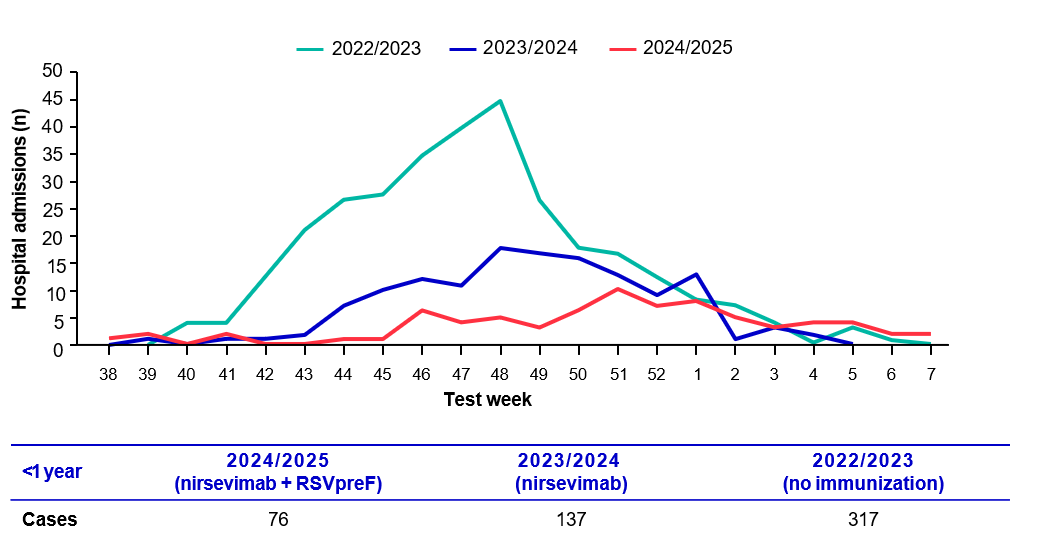
Dookhun D et al., 2025
RSV hospital admissions in infants aged <1 year by epidemiological week at the Luxembourg National Pediatric Center, 2022–2025. In 2022–2023, with no immunization program in place, 317 RSV admissions were recorded. In 2023–2024, following the introduction of nirsevimab (81% coverage), admissions declined to 137. In 2024–2025, with a combined maternal RSV vaccination and nirsevimab strategy (92.5% total coverage), admissions declined further to 76. This progression across three seasons illustrates the additional reduction in RSV hospitalizations associated with combining prevention strategies (Adapted from Dookhun D et al., poster presented at the 43rd Annual Meeting of ESPID, 2025.)
The current prevention landscape, while already significantly transformed, continues to evolve. Beyond the products currently approved or awaiting final approval, additional monoclonal antibody candidates are in development. Looking further ahead, the possibility of an active RSV vaccine for the pediatric population remains an important research horizon. Such a product would represent a fundamental shift in the prevention paradigm, offering durable, active immunity in older infants and young children through the standard childhood immunization schedule, potentially complementing or eventually replacing passive immunization strategies. No such product is currently available or imminent, but the field continues to advance and ongoing investment in this direction is warranted.
In the interim, genomic surveillance of circulating RSV strains remains an essential component of any prevention program. Early data from countries that have been using long-acting monoclonal antibodies for two or more seasons suggest that while sporadic cases continue to occur, some cases have raised questions about possible viral adaptation, the number of hospitalizations and cases requiring medical attention remains substantially lower than in pre-intervention seasons. Continued vigilance and well-designed prospective surveillance studies will be necessary to monitor for emerging resistance and to inform future product development and policy decisions.
4.
The evidence reviewed in Section 3 makes clear that the effectiveness of any RSV prevention strategy is not fixed — it is a direct function of the coverage achieved. This relationship between coverage and population-level impact is one of the most important practical lessons to emerge from the first seasons of broad RSV prevention implementation, and should be central to any policy discussion.
For monoclonal antibodies, the data indicate that a coverage threshold of at least 70% is required to achieve a reduction in RSV-associated hospitalizations of more than 80% at the population level. At 60% coverage, the reduction falls to approximately 50%. Below that, the benefits, while still present at the individual level, become difficult to detect in hospital admission statistics and have a limited impact on the operational pressures faced by pediatric wards and intensive care units. For maternal vaccination, a coverage of at least 70% is similarly needed to produce meaningful population-level results, and this threshold has proven difficult to reach consistently in many settings, including high-income countries with established antenatal care systems.
Achieving these coverage thresholds, therefore, requires not only investment in the prevention products themselves but also in the outreach, communication, and health system capacity needed to reach eligible infants consistently. Without adequate coverage, the population-level impact of any prevention program will be significantly limited, regardless of the efficacy of the product.
Estimated Reduction in RSV Hospitalizations Under Different Immunization Strategies in Lombardy, Italy (2024–2025)
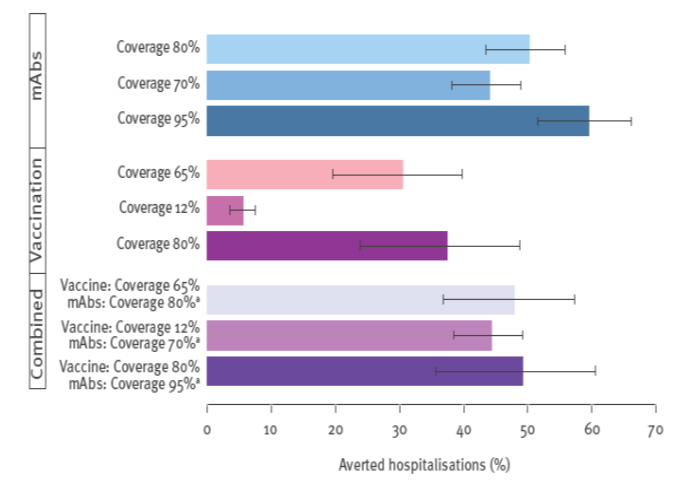
Menegale F et al., 2025
Estimated proportion of RSV hospitalizations averted under different immunization strategies and coverage levels in Lombardy, Italy, 2024–2025 season. Monoclonal antibodies (mAbs) at 95% coverage are estimated to avert approximately 60% of hospitalizations, exceeding the impact of maternal vaccination alone across modeled coverage levels. Maternal vaccination at 12% coverage — similar to uptake observed in Italy during the first season — is estimated to avert fewer than 5% of hospitalizations. Combined strategies incorporating both mAbs and maternal vaccination at higher coverage levels yield the greatest reductions. These findings highlight the importance of coverage in determining population-level impact (Adapted from Menegale F et al., Eurosurveillance, 2025.)
Understanding why parents accept or decline RSV prevention for their infants is essential for designing programs that achieve and sustain high coverage. Research conducted in Italy on the acceptance of monoclonal antibodies identified four key factors that predicted parental willingness to have their infant protected:
These four factors are not independent of each other. Trust in healthcare providers shapes how information about risk and efficacy is received and processed. Parents who have a strong relationship with their pediatrician and who feel that their concerns are taken seriously are more likely to accept a recommended intervention, even one that is new and unfamiliar. Conversely, parents who are uncertain about the healthcare system, or who have been exposed to misinformation about vaccines or immunological products, are more likely to hesitate regardless of the strength of the clinical evidence.
The experience in Emilia-Romagna, Italy, where acceptance of monoclonal antibodies reached 87%, demonstrates that high uptake is achievable when these four conditions are met. The implication for program design is that communication strategies must address all four dimensions, not merely provide information about the product itself.
The four drivers of parental acceptance identified above all ultimately depend on the quality and consistency of communication from healthcare professionals. Primary care providers — general practitioners, pediatricians, midwives, and nurses — are the front line of RSV prevention. They are the professionals most likely to have contact with pregnant women and young infants, and they are the professionals whose recommendations carry the greatest weight with families.
Yet the evidence suggests that awareness of RSV and confidence in advising on its prevention remain uneven across this workforce. General practitioners and midwives, in particular, may have limited exposure to the current evidence on RSV burden and prevention compared to specialist pediatricians. This gap has direct consequences: a parent who asks a midwife about RSV and receives a vague or dismissive response is less likely to seek out a monoclonal antibody for their newborn or to accept a maternal vaccine during pregnancy.
Addressing this gap requires investment in continuing professional education that reaches beyond pediatric specialists to include the full range of primary care providers. ReSViNET has developed a learning hub with free, downloadable materials specifically designed for midwives and general practitioners, including clinical case studies. Such resources represent a valuable foundation, but they are not sufficient on their own. Structured educational programs, integrated into continuing medical education frameworks and supported by professional societies and health authorities, are needed to bring consistent, evidence-based RSV awareness to every healthcare professional who interacts with pregnant women and young infants.
The communication challenge extends to the format and accessibility of information provided to families. ResViNet has developed an RSV chatbot, launched on World Pneumonia Day 2024, which provides clear, reliable, multilingual guidance to families and healthcare professionals around the clock. In its first year, it has addressed questions ranging from symptom recognition to vaccine safety to the use of maternal vaccination and monoclonal antibodies.
The cost of RSV prevention is a legitimate and important consideration for health systems and governments. The unit cost of different prevention products varies and has influenced national decision-making in several countries. However, unit cost comparisons alone are an incomplete basis for policy decisions.
Any cost comparison must also account for the operational costs of introducing a new type of program. Maternal vaccination can be integrated into existing antenatal care structures with relatively modest additional investment, while a universal monoclonal antibody program for newborns requires new delivery pathways, staff training, and logistical infrastructure that do not yet exist in many settings. These operational costs must be factored into any comprehensive health economic analysis.
At the same time, the cost of failing to prevent RSV is substantial. The direct costs of RSV hospitalizations, intensive care admissions, and outpatient visits; the indirect costs of parental absence from work; the longer-term costs of post-RSV respiratory complications; and the system costs of cancelled elective surgeries and diverted critical care resources during peak RSV season all represent a significant and largely avoidable burden. Roy Philip, a neonatologist at the University of Limerick, described how, in Ireland, prior to the introduction of a universal prevention program, RSV routinely resulted in infants being transferred by ambulance to Dublin, intubated and ventilated, and in the cancellation of elective pediatric surgeries, including cardiac operations. In the first season following program introduction, critical care transport of infants for respiratory conditions fell by approximately 90%.
Perhaps the most critical and largely unaddressed dimension of the current RSV prevention landscape is the profound inequity in access to the tools that are now available. High-income countries in Europe, North America, and parts of the Asia-Pacific region are implementing universal or near-universal prevention programs, reporting dramatic reductions in hospitalizations, and building the evidence base for even more comprehensive strategies. Meanwhile, 97% of RSV-related deaths in children occur in low- and middle-income countries, where monoclonal antibodies remain entirely out of reach and maternal vaccination programs are only beginning to be considered.
The countries now benefiting most from RSV prevention are precisely those where the burden of death is lowest. The countries where the burden of death is greatest — where infants die not in intensive care units but at home or in under-resourced facilities — are those with the least access to the interventions that could save them.
Roy Philip, drawing on a recent visit to India where he discussed the potential introduction of monoclonal antibodies with pediatricians across several cities, illustrated the scale of what is at stake. India alone accounts for approximately 25 million births annually. As Roy Philip noted if the reductions in RSV morbidity achieved in Europe are not extended to settings of this scale, global RSV mortality will remain largely unchanged even as the burden in high-income countries falls dramatically.
There are reasons for cautious optimism. A recent meeting of Gavi, the Vaccine Alliance, considered a maternal immunization program specifically designed for low- and middle-income countries, representing a potentially significant step towards more equitable global access. Maternal vaccination, with its lower unit cost and its compatibility with existing antenatal infrastructure, may prove to be the most viable entry point for RSV prevention in resource-limited settings. But the pace of progress must accelerate if the widening of the equity gap is to be avoided.
Proportion of RSV Hospitalizations by Age in Infants Across Country Income Groups
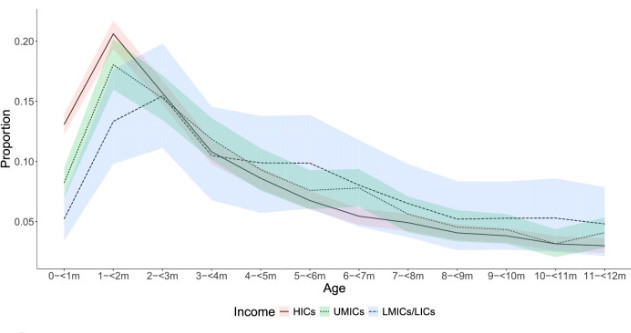
Guo L et al., 2025
Age distribution of RSV hospitalizations in infants across country income groups. The proportion of RSV-associated hospitalizations peaks at 1–2 months of age across all settings but differs by economic context. In high-income countries (HICs), the peak is sharp and concentrated in the first two months. In lower-middle-income and low-income countries (LMICs/LICs), the distribution is more dispersed across the first year, with wider confidence intervals reflecting greater heterogeneity in surveillance and healthcare access. These patterns highlight the importance of tailoring RSV prevention strategies to different epidemiological and health-system contexts (Adapted from Guo L et al., Nature Communications. 2025;16:6109.)
5.
The evidence presented in this report points consistently in one direction: RSV is a serious and preventable disease, effective prevention tools are available, and the principal remaining challenge is one of implementation, coverage, awareness, and equity. The recommendations that follow are directed at clinicians, health system leaders, and policymakers at national and international level. They are organized around five priorities that emerge from the evidence: universal protection, professional education, public awareness, research and surveillance, and global equity.
The primary policy recommendation that emerges from the current evidence is the adoption of universal RSV prevention strategies for all infants in their first RSV season, regardless of gestational age, birth timing, or underlying health status. Targeted strategies — those that focus only on preterm infants or infants with identified risk factors — will, by definition, leave the majority of vulnerable infants unprotected, since the majority of RSV hospitalizations and intensive care admissions occur in otherwise healthy, full-term babies.
Universal protection can be achieved through monoclonal antibodies, through maternal vaccination, or through a combination of both. The evidence reviewed in this report supports the following principles for national program design:
The effectiveness of any RSV prevention program depends critically on the quality and consistency of the advice that families receive from the healthcare professionals they trust. Yet the evidence shows that awareness of RSV and confidence in advising on its prevention remain uneven across the healthcare workforce, with the gap most pronounced among general practitioners, midwives, and nurses — precisely the professionals most likely to have contact with pregnant women and young infants outside of specialist pediatric settings.
Policymakers, professional societies, and health authorities should act on the following:
As Rachel Thomas observed from her own experience, by the time infants reach a hospital, they are already seriously ill. The opportunity for prevention lies earlier, in the consulting rooms of general practitioners and midwives, and in the conversations that happen — or fail to happen — during pregnancy and the newborn period.
Parental acceptance of RSV prevention is shaped not only by conversations with healthcare professionals but by the broader information environment in which families make decisions. RSV remains poorly understood by the general public in most countries. Unlike influenza or chickenpox, it is not widely recognized as a serious childhood illness, despite imposing a substantial burden of illness and hospitalization in early childhood.
Sustained, well-resourced public awareness campaigns are needed, with the following characteristics:
The RSV chatbot developed by ReSViNET, now operating in multiple languages and fielding questions from families and healthcare professionals around the clock, represents an innovative model for accessible, trustworthy health information. Its further development and integration into national communication strategies deserves active support from health authorities.
The introduction of RSV prevention programs at population scale represents not only a public health intervention but a major unique and time-limited research opportunity. The decisions made now about how to monitor, evaluate, and learn from these programs will determine the quality of evidence available to guide the next generation of prevention policy. Several research priorities emerge from the discussions at the Excellence in Pediatrics Conference and the LifeCourse Prevention Summit.
Surveillance and resistance monitoring.
Genomic surveillance of circulating RSV strains must be maintained and strengthened as prevention programs expand. Early data suggest that the long-acting monoclonal antibodies currently in use are effective against both RSV-A and RSV-B, with no evidence to date of clinically significant viral escape. However, continued vigilance is essential, and surveillance systems must be designed to detect emerging resistance early and inform product development accordingly.
The impact of RSV prevention on pneumococcal disease.
The interaction between RSV and Streptococcus pneumoniae means that reducing RSV circulation may have downstream effects on pneumococcal disease rates, antibiotic consumption, and the epidemiology of pneumococcal serotypes. Prospective studies are needed to document and quantify these effects, and surveillance systems for pneumococcal disease should be aligned with RSV prevention program timelines to enable meaningful before-and-after analyses.
Herd protection and household transmission.
The potential for RSV prevention in infants to reduce transmission to older adults and other vulnerable household members is an important and under-studied question. Studies designed to capture household transmission dynamics — including multi-generational households and high-exposure settings such as schools and nurseries — are needed to understand whether infant immunization generates population-level protection beyond the directly immunized cohort, as has been observed with pneumococcal conjugate vaccines.
Long-term respiratory outcomes.
The association between early RSV infection and subsequent recurrent wheezing and asthma development is well-established epidemiologically, but the mechanisms and the identity of children most at risk remain poorly understood. The CLARITY project represents an important step towards answering these questions, and its findings will have direct implications for the long-term evidence base for universal RSV prevention.
Linked data infrastructure.
Many of the research questions that matter most for RSV prevention policy cannot be answered without linked, individual-level data across healthcare settings and time periods. The experience of Nordic countries, which have leveraged national registries to conduct pragmatic clinical trials with minimal additional cost, provides a valuable model for other countries to consider. European countries should invest in the legal, technical, and governance frameworks needed to enable linked data research, balancing the imperative of privacy protection with the public health value of understanding how prevention programs affect health outcomes across the life course.
The transformative results achieved in high-income countries through universal RSV prevention programs must not obscure the fact that the overwhelming burden of RSV mortality falls elsewhere. Ninety-seven percent of RSV deaths in children occur in low- and middle-income countries, where monoclonal antibodies remain largely inaccessible and where maternal vaccination programs are only beginning to be developed. If current trends continue, the global mortality burden of RSV will remain largely unchanged even as high-income countries reduce severe RSV disease in infants within their borders.
Addressing this requires action at multiple levels:
6.
The focus of this policy report is the prevention of RSV in infants and young children, where the burden of severe disease and death is greatest and where the evidence for effective prevention strategies is most mature. However, a complete picture of RSV burden must also acknowledge that the virus poses a significant and under-recognized burden across the full age spectrum, and in particular among older adults and those with chronic underlying conditions.
Globally, more than 300,000 adults over the age of 65 are hospitalized due to RSV every year, and RSV is estimated to contribute to more than 300,000 deaths annually across all age groups. In Europe, over 150,000 older adults are hospitalized with RSV each season. These figures are almost certainly underestimates. As Stefania Maggi of the European Interdisciplinary Council on Ageing noted at the LifeCourse Prevention Summit, the diagnostic tools most commonly used in clinical practice — primarily nasopharyngeal swabs — significantly underrepresent the true prevalence of RSV infection. When additional samples such as saliva and serum are incorporated, the number of positive tests can double. In many hospitals across Europe, multiplex testing is not routinely available in emergency departments, meaning that co-infections and atypical presentations are frequently missed. Where no specific antiviral treatment exists, clinicians have little incentive to pursue a definitive microbiological diagnosis, further deepening the undercount.
Increase in RSV Detection with Use of Multiple Specimen Types in Hospitalized Adults with Acute Respiratory Infection
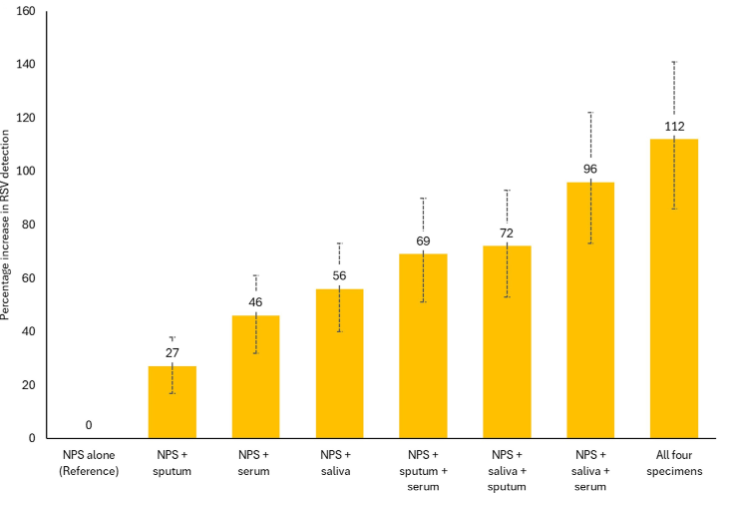
Begier E et al., 2025
Percentage increase in RSV detection among hospitalized adults with acute respiratory infection when additional diagnostic specimens are used alongside nasopharyngeal swab (NPS). Adding sputum increased detection by 27%, and adding saliva by 56%. Combining all four specimen types (nasopharyngeal swab, sputum, saliva, and serum) increased detection by 112%, more than doubling the yield compared with NPS alone. These findings suggest that studies relying solely on nasopharyngeal swabs may substantially underestimate RSV incidence in hospitalized older adults (Adapted from Begier E et al., Journal of Infectious Diseases. 2025.)
The consequences of RSV infection in older adults extend well beyond the respiratory system, mirroring the pattern observed in infants and young children but with additional complexity introduced by age-related immune decline, frailty, and comorbidity. Immunosenescence — the progressive deterioration of immune function with age — means that older adults are not only more susceptible to RSV infection but also more likely to experience more severe and more prolonged illness, with a greater risk of complications and a reduced capacity to recover fully.
Studies conducted in Denmark and Scotland have shown that adults with chronic obstructive pulmonary disease, ischemic heart disease, stroke, or diabetes face a two to four-fold higher risk of RSV-associated respiratory hospitalization compared to adults without these conditions. Among adults hospitalized with RSV, one in five experiences an acute cardiac event — most commonly acute heart failure. In those with pre-existing cardiovascular conditions, this rises to one in three. The systemic inflammatory response triggered by RSV infection, including endothelial impairment and thrombotic tendency, provides a plausible biological mechanism for these cardiovascular complications, and mirrors the pathophysiological pathways that have been better characterized for influenza.
For older adults, RSV infection also initiates or accelerates a vicious cycle of functional decline. Each episode of severe respiratory illness can result in loss of physical capacity, cognitive deterioration, and reduced autonomy, increasing the need for long-term care and placing additional strain on family caregivers. This trajectory — from acute infection to progressive functional loss — represents a dimension of RSV’s burden in older adults that is rarely captured in hospitalization statistics but carries profound personal and societal consequences.
Recurrent infections are particularly common in older adults. As explained by Stefania Maggi, immunosenescence increases the severity of infections and leads to repeated episodes, creating a vicious cycle that can result in early complications, worsening of pre-existing conditions, and progressive decline in physical and cognitive function.
Cycle of Pneumonia and Functional Decline in Older Adults
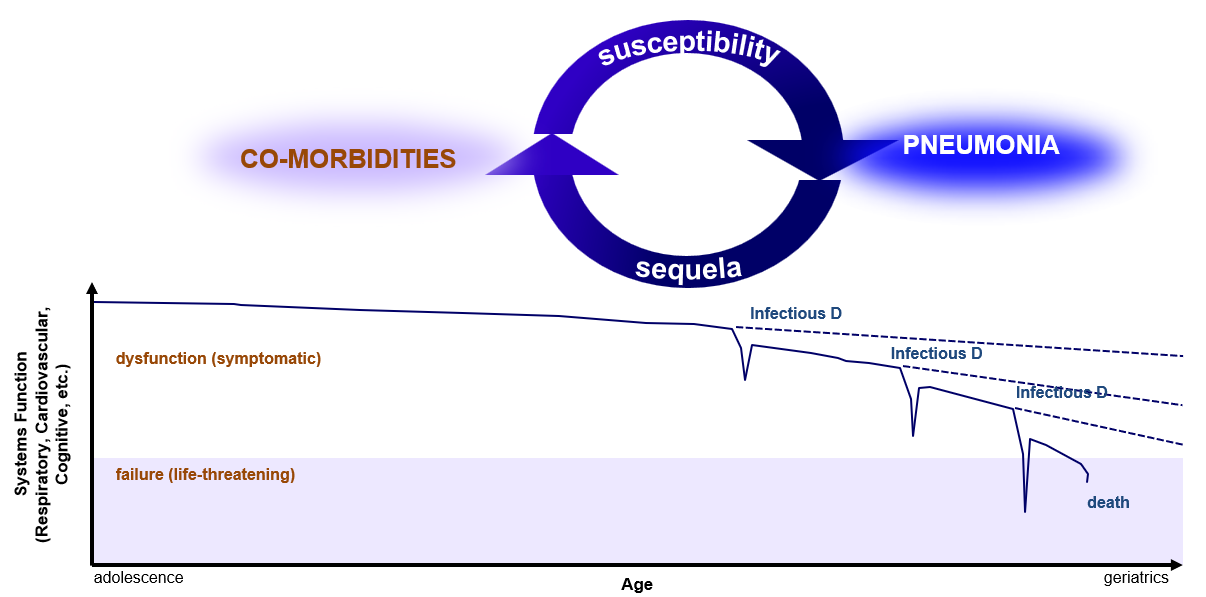
Quinton LJ et al., 2018
Conceptual model of the self-amplifying cycle between pneumonia and comorbidities leading to progressive decline in physiological function across the life course. Comorbidities increase susceptibility to pneumonia, which in turn produces sequelae that accelerate chronic decline and further increase susceptibility. Each acute infectious episode is associated with a stepwise reduction in respiratory, cardiovascular, and cognitive function. As physiological reserve diminishes with age, successive infections increase the likelihood of progression from symptomatic dysfunction to life-threatening failure and death. This framework illustrates how respiratory infections in older adults contribute to cumulative functional decline rather than representing isolated acute events (Adapted from Quinton LJ et al., Physiological Reviews. 2018;98:1417–1464.)
Several RSV vaccines are now approved for use in older and high-risk adult populations, and each of which has demonstrated effectiveness in reducing RSV-associated hospitalizations and the systemic complications that follow. Early data suggest that protection extends beyond a single season, though the optimal timing of revaccination has not yet been definitively established. In Germany, the Standing Committee on Vaccination recommends RSV vaccination for all adults over the age of 75, with vaccination against pneumococcus, influenza, COVID-19, and herpes zoster also recommended as standard for those over 60.
Despite the availability of these tools, coverage among older adults remains strikingly low across Europe. For COVID-19 vaccination, coverage in the European population over 60 has fallen to approximately 14%, and over 80 to just 21%. No European country has achieved coverage above 80% in this age group. For influenza, the WHO target of 75% coverage in adults over 65 has not been reached by the majority of European countries. RSV vaccination for older adults is, in most countries, not yet reimbursed or included in national immunization programs, meaning that uptake is limited to those who can afford to pay out of pocket or who are reached through targeted programs in nursing homes and high-risk settings.
Marco Del Riccio, presenting at the LifeCourse Prevention Summit, framed the current moment as one of both opportunity and obligation. The tools to prevent severe RSV disease across the life course now exist. The evidence for their effectiveness is strong and growing. What is lacking is not the science but the political commitment, the health system investment, and the public awareness needed to translate that science into action at the scale the burden demands.
Global Status of Adult Immunization Policies by WHO Region and Income Group
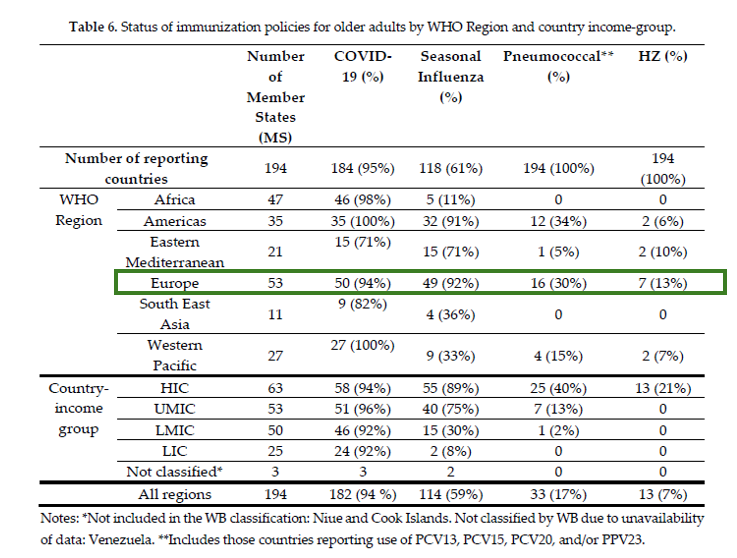
Vilajeliu A et al., Vaccines. 2025;13:401
Status of immunization policies for older adults across European member states and by WHO region and country income group, 2024. Among European member states, 94% report COVID-19 vaccination programs and 92% report influenza vaccination programs for older adults. Adoption is lower for other vaccines: 30% report pneumococcal programs and 13% herpes zoster programs. RSV vaccination for older adults remains limited, with early adoption reported in a small number of European countries (~9% as of early 2025). Globally, RSV vaccination policies are largely confined to high-income settings (Adapted from Vilajeliu A et al., Vaccines. 2025;13:401).
The discussions at the LifeCourse Prevention Summit repeatedly returned to a unifying principle: that the burden of respiratory infections, including RSV, cannot be adequately understood or addressed through the lens of any single age group or any single disease episode. Health across the life course is shaped by the cumulative effects of infections, immune responses, and environmental exposures from the earliest weeks of life through to old age. Early RSV infection may influence long-term respiratory health and has been associated with increased risks of recurrent wheezing and asthma later in life. Repeated respiratory infections in older adults accelerate the functional decline that leads to loss of autonomy and increased care needs. Prevention at any point in this trajectory has value that extends well beyond the immediate episode.
This life course perspective does not dilute the case for prioritizing infant RSV prevention — it strengthens it. Protecting infants in their first RSV season is not only an act of immediate clinical benefit; it is an investment in the respiratory health of the adult they will become. At the same time, the availability of effective RSV vaccines for older adults adds a further dimension of value to comprehensive RSV prevention programs. The goal, as Stefania Maggi articulated, is a life course approach to vaccination that matches the biology of risk: one that recognizes the specific vulnerabilities of each life stage, deploys the tools available at the right moment, and builds immune resilience from before birth to the end of life.
Life-Course Trajectories of Lung Function and Long-Term Risk of Respiratory Disease
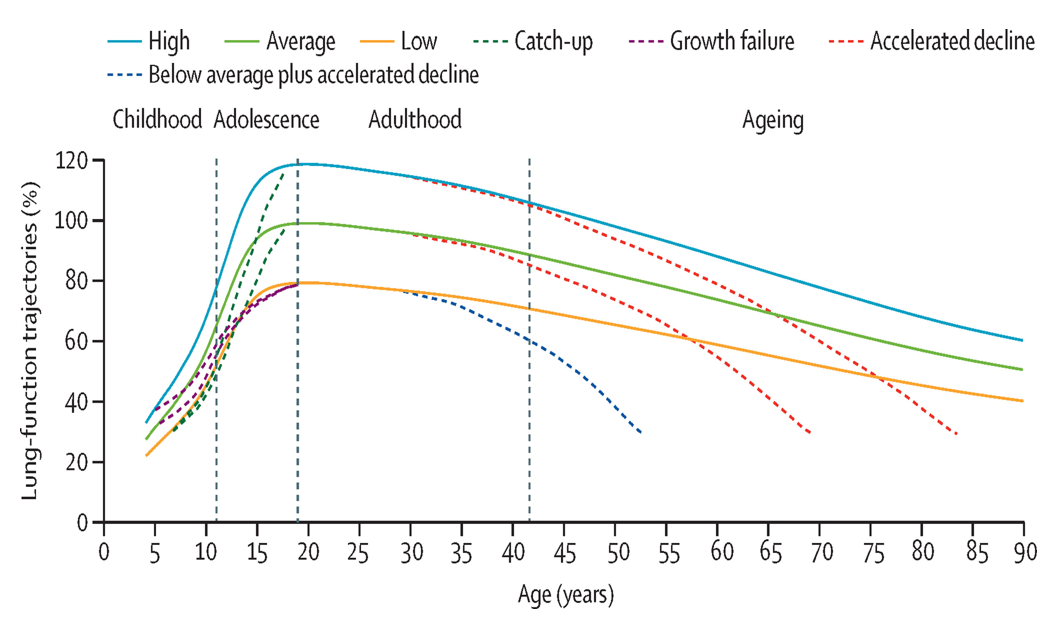
Bui DS et al., 2018
Lifelong trajectories of lung function from childhood to older age, based on a cohort of 8,583 individuals followed from age 7 to 53 years (Tasmanian Longitudinal Health Study). Seven distinct trajectory patterns are shown, ranging from persistently high lung function to early below-average function with accelerated decline. Individuals on the lowest trajectories — characterized in childhood by asthma, bronchitis, pneumonia, and parental smoking — had a COPD prevalence of 46% at age 53, compared with less than 1% among those with persistently high trajectories. These findings demonstrate that respiratory health in later life is strongly influenced by early-life exposures, including respiratory infections, and support a life-course approach to prevention (Adapted from Bui DS et al., Lancet Respiratory Medicine. 2018; Melén E et al., The Lancet. 2024.)