Our Focus

The tools to protect adults already exist. The gap is not in what vaccines can do, but in how consistently they reach people across adolescence, adulthood, and older age: through routine care, clear recommendations, and systems built to sustain protection rather than assume it ends in childhood.

Why Adult Immunization Matters

Immunization is a key part of disease prevention throughout adulthood. Sustained, age-appropriate vaccination reduces individual risk, protects vulnerable populations, and strengthens health systems' capacity to prevent and respond to infectious disease threats, reinforcing population-level resilience across every stage of adult life.

Where Coverage Breaks Down

Immunization programs remain concentrated in early childhood, while vaccination across adolescence, adulthood, and older age is delivered through more fragmented approaches. Missed opportunities are common across healthcare encounters, and immunization is not consistently integrated into routine care, limiting its role as a continuous prevention strategy and leaving gaps in protection.

From Evidence to Implementation

Closing these gaps requires a shift toward integrated, life course-oriented immunization. This work spans age-specific vaccine schedules and recommendations, emerging vaccine technologies and combination vaccines, strategies to strengthen vaccine confidence and uptake, and policies that embed immunization into routine healthcare, improving equitable access and sustained protection across populations.

Resources

Insights, Reports & Expert Perspectives

Explore expert briefings and relevant publications

Integrating Maternal and Infant Immunization for RSV

How maternal and infant immunization programs for RSV can be integrated, real-world evidence from Ireland and Europe and the importance of global equity in access to prevention.
December 5, 2025

Lifecourse and Adult Immunization as Essential for an Aging Society

Embedding vaccination within non-communicable disease management for aging populations, reducing health system strain, and delivering economic returns.
December 4, 2025

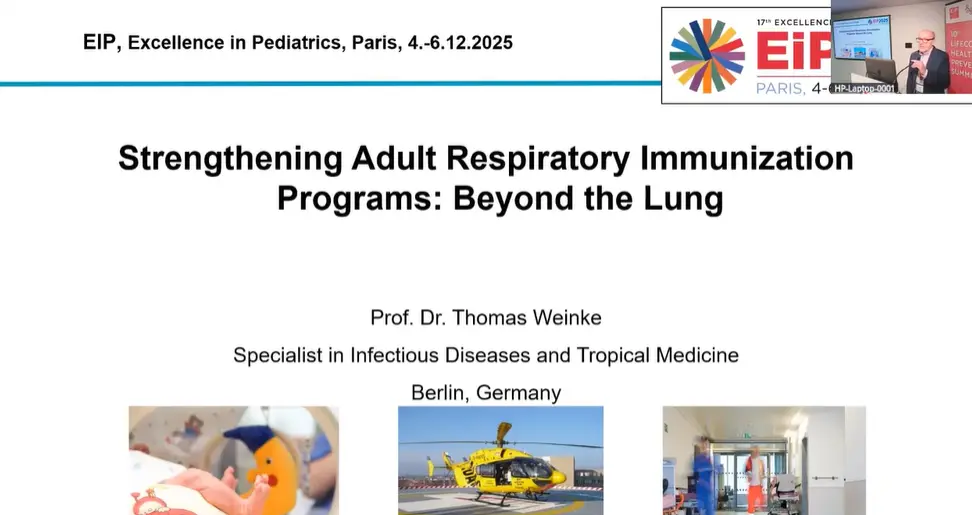
Strengthening Adult Respiratory Immunisation Programs

The systemic consequences of influenza and pneumococcal infections in older adults and evidence that vaccination must be positioned as a cornerstone of healthy aging policy.
May 12, 2025

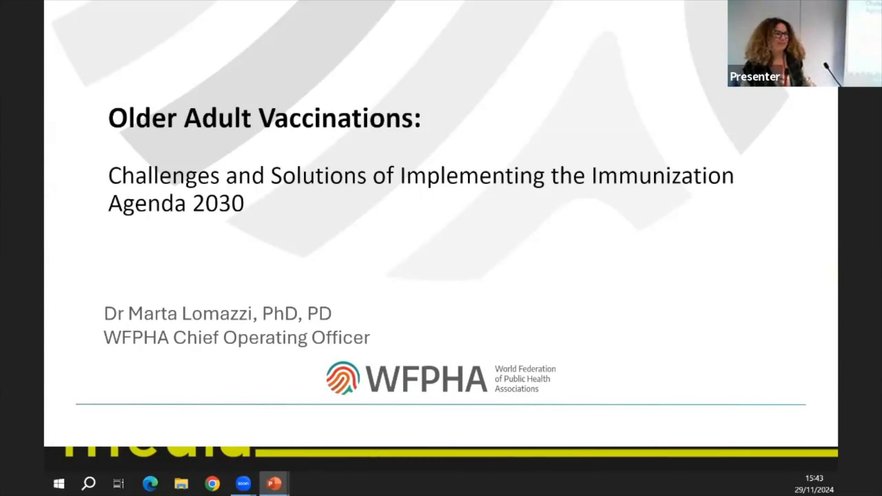
Older Adult Vaccinations: Challenges and Solutions

Practical solutions to implement WHO's Immunization Agenda 2030 for older adults, system challenges and policy frameworks to improve coverage.
November 29, 2024

Barriers to Vaccination in Adulthood and Strategies for Access and Compliance

Barriers to adult vaccination and strategies to increase immunization rates through healthcare access, education, and policy frameworks.
November 29, 2024

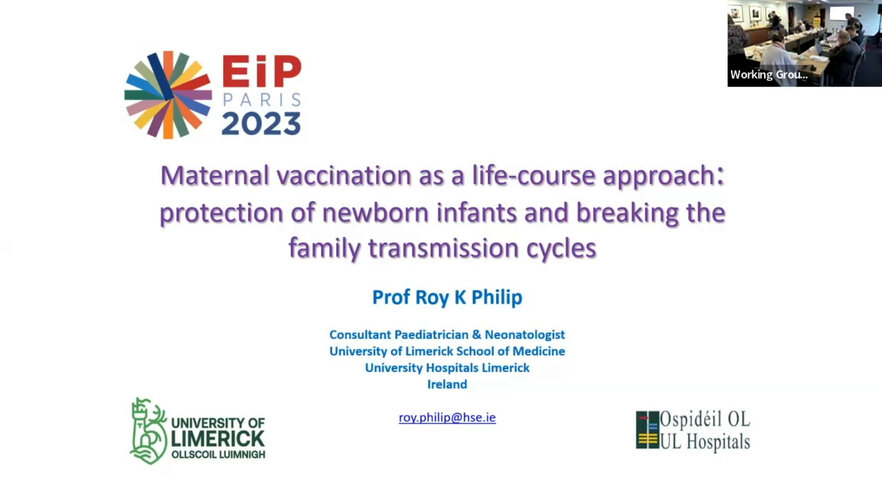
Maternal Vaccination As A Lifecourse Approach

Maternal vaccination as a fundamental component of lifecourse immunization, dual protection benefits for mothers and infants and implementation considerations.
December 1, 2023

Why Public Demand Is Important For A Successful Life Course Immunisation

How community-driven vaccination demand supports lifecourse immunization programs, with strategies for public engagement and advocacy.
December 2, 2022

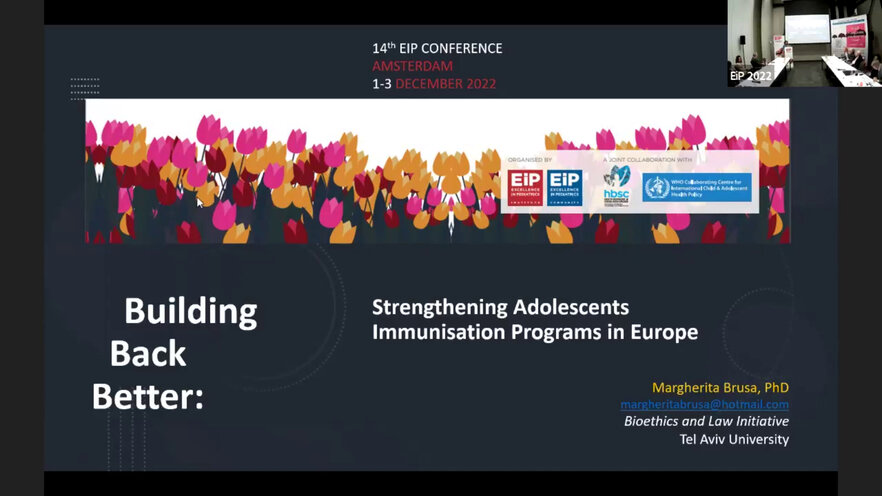
Strengthening Adolescents Immunisation Programs In Europe

Strategies to improve vaccination coverage among European teenagers, unique challenges and evidence-based approaches to adolescent-focused immunization.
December 2, 2022

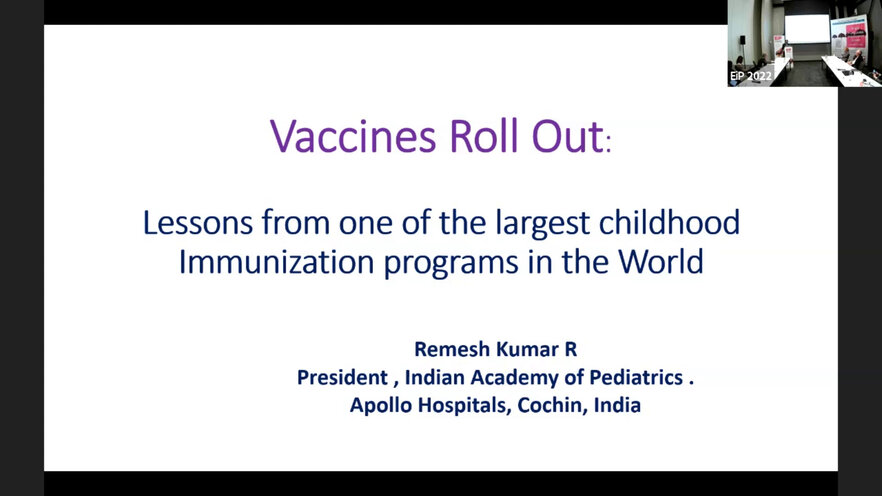
Lessons From One Of The Largest Immunisation Programs In The World

Practices from implementing a massive-scale national immunization program, logistical challenges, success factors, and transferable strategies.
December 2, 2022

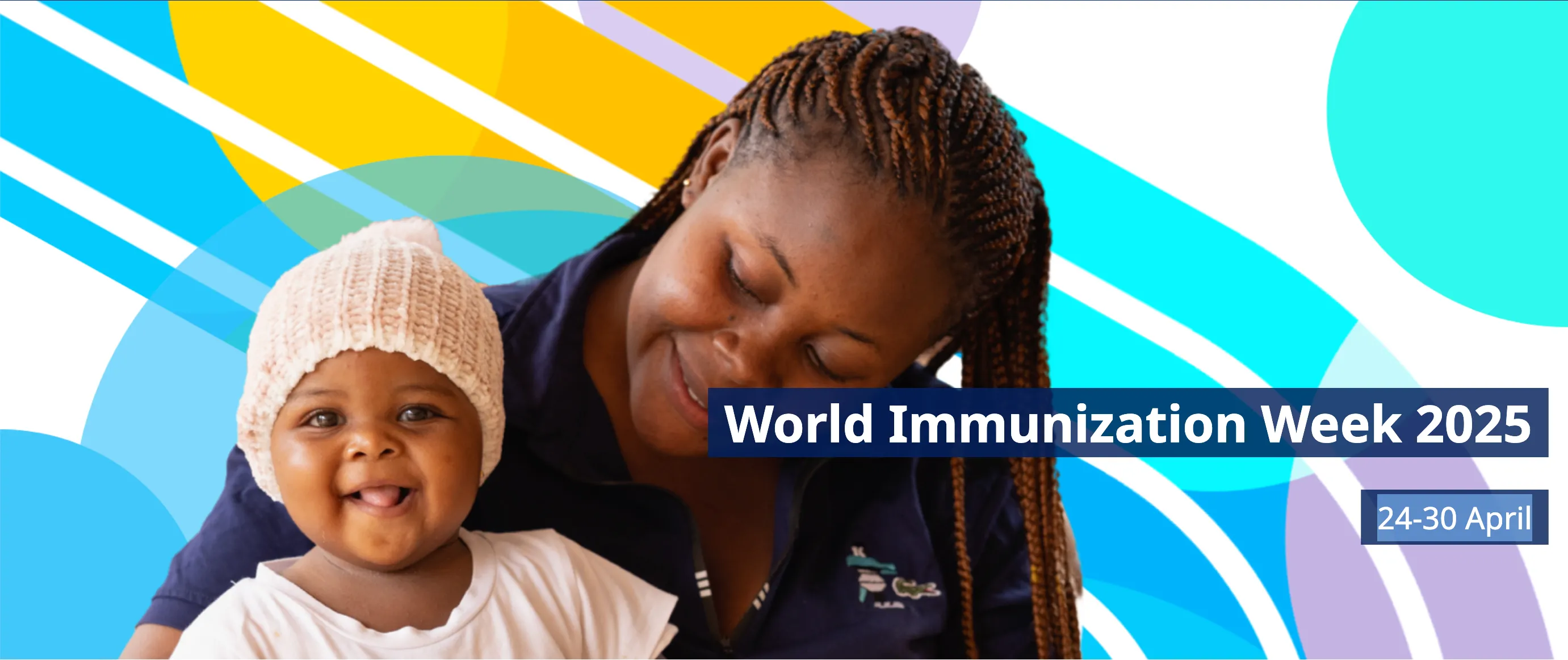
World Immunization Week 2025 (24-30 April)

World Immunization Week 2025 promotes equal vaccine access to protect children, teens, and adults from preventable diseases worldwide.

April 21, 2025
Focus Zones

Priority Areas Shaping the
Future of Prevention

The initiative focuses on key prevention priorities shaping health systems, policy frameworks, and long-term population outcomes across the LifeCourse.