

Join our newsletter to stay up to date
Thank you! Your submission has been received!
Oops! Something went wrong while submitting the form.
Rue des Vignerons 18, 1110 Morges 1 (VD), Switzerland
email: secretariat@ineip.org
tel. +41 43 21 55 937


Respiratory Syncytial Virus (RSV) is one of the leading causes of lower respiratory tract infections and hospitalization in infants worldwide. Yet, severe RSV disease is increasingly preventable. With effective prevention strategies now available, the challenge is no longer whether we can protect infants; it is whether health systems can deliver that protection equitably, consistently, and at scale.

Every RSV season places significant pressure on general practitioners, pediatricians, families, and health systems. While hospitals manage the most severe cases, the burden begins much earlier: in primary care, where healthcare professionals are often the first to recognize RSV, guide families, and support prevention. Strengthening awareness, equipping healthcare professionals, and expanding access to effective prevention are essential to reducing the impact of RSV and protecting every infant.
By the time an infant reaches hospital, they are often already seriously ill. Prevention begins earlier — in primary care, during pregnancy and the newborn period, where GPs, midwives, and pediatricians are the front line.
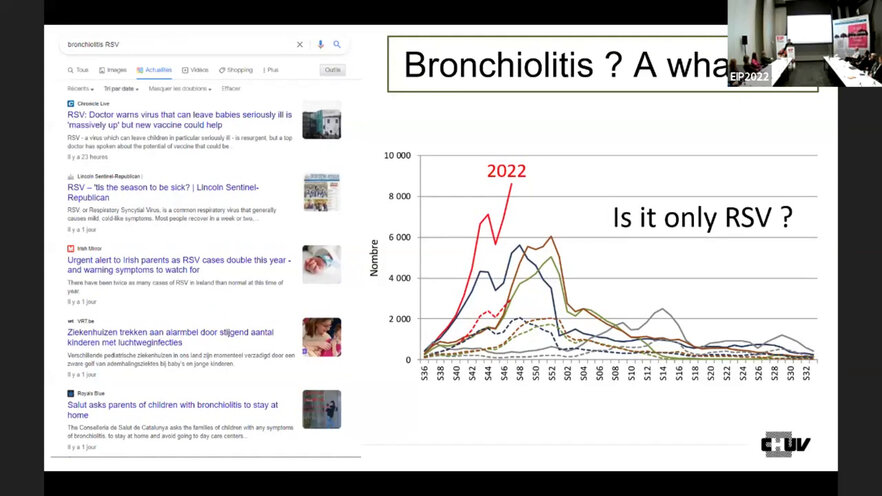
RSV is not over when the acute infection clears. Infants hospitalized in their first year face higher rates of respiratory illness, wheezing, and asthma for years afterwards, with a lasting toll on children and families.
The benefit of any prevention strategy depends directly on how many infants it reaches. At least 90%coverage with monoclonal antibodies cuts hospitalizations by more than80%, but the impact falls sharply as coverage drops.
RSV rarely acts alone. It creates the conditions for pneumococcal disease, pneumonia, and ear infections — driving further illness and antibiotic use — so preventing RSV protects against far more than bronchiolitis.
This meeting report from the December 2025 LifeCourse Prevention Summit examines the latest evidence, practical recommendations, and strategies for advancing RSV prevention and protecting every infant.
Download the ReportRSV is a serious, preventable disease — and for the first time, effective tools to protect every infant are available.

Most infants hospitalized with RSV are healthy, full-term babies, and around half are born outside the RSV season. Protecting only high-risk infants leaves the majority exposed — prevention must be universal.

Safe and effective tools now exist. In real-world programs, long-acting monoclonal antibodies and maternal vaccination have cut RSV hospitalizations by more than 80%.

Effective tools only deliver at scale. Reaching at least 90% of infants is needed to cut hospitalizations by more than 80%; below that threshold, the population-level benefit falls away.

Parents look to the professionals they trust. Acceptance depends on well-informed pediatricians, midwives, and nurses who can speak confidently about RSV risk and the safety and efficacy of prevention.

RSV is still widely mistaken for a common cold. Clear, sustained public awareness so families understand the risk and know that prevention exists — is essential to reaching high coverage.

97% of RSV deaths occur in low- and middle-income countries, where these tools remain out of reach. Global advocacy and funding, including through Gavi, are needed so every infant can be protected.
Explore a collection of policy briefings, expert interviews, reports and newsletters from the LifeCourse Prevention Initiative.






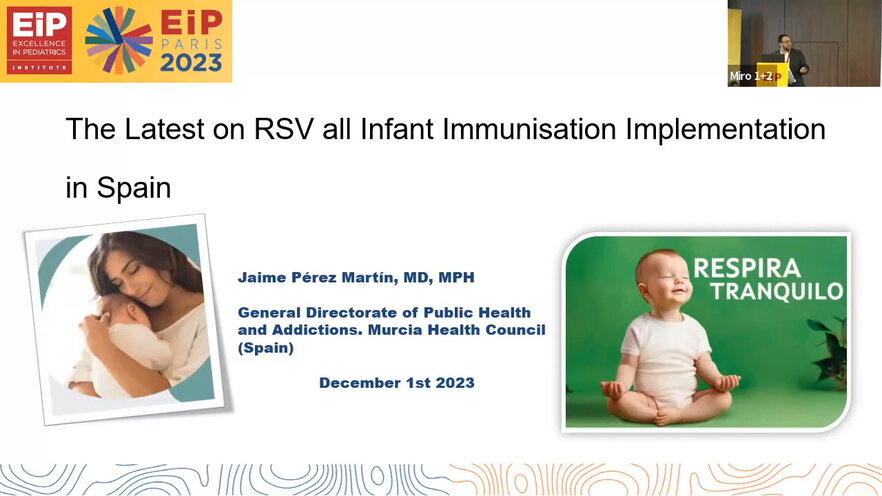
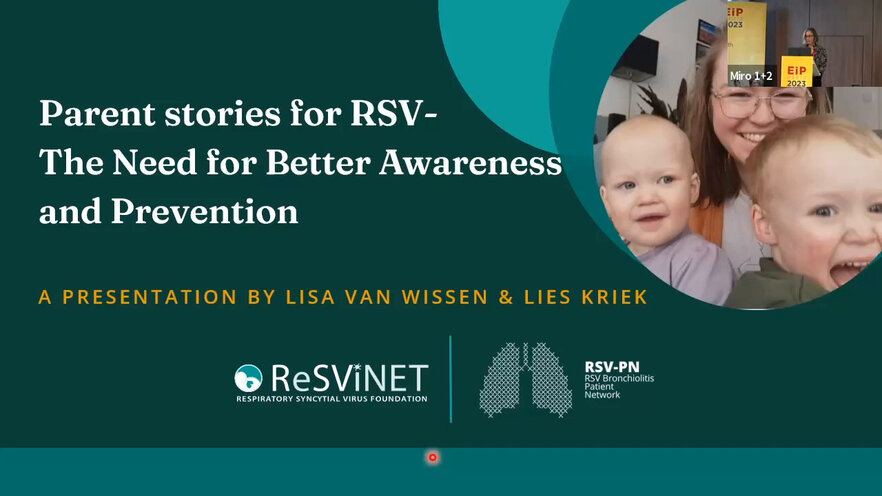
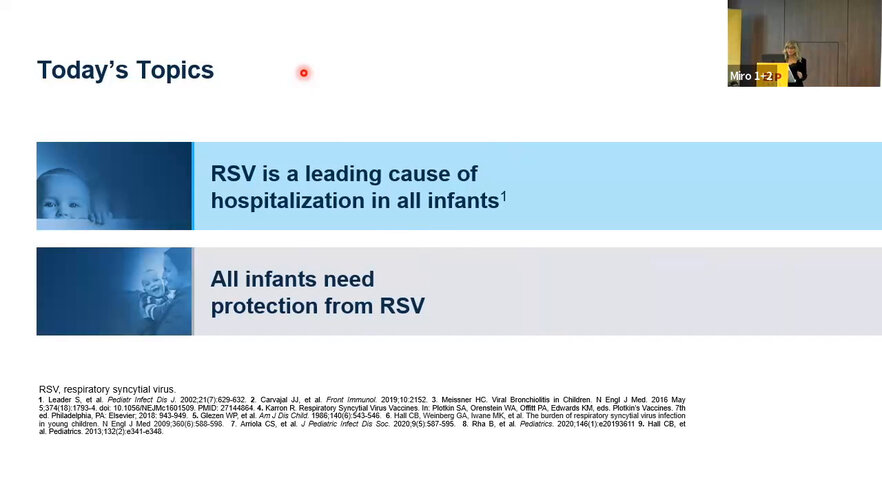
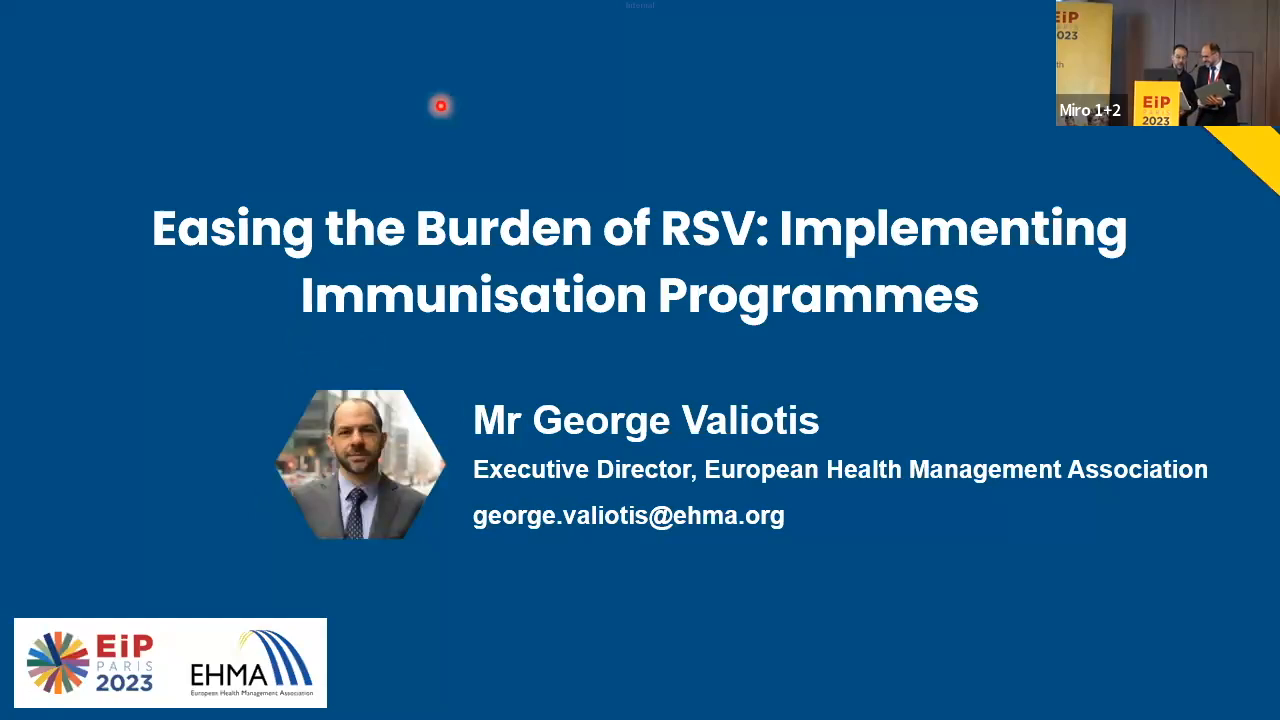







.webp)
This report presents findings from a survey of primary care providers and pediatricians, examining the burden of RSV across diagnosis, treatment, and prevention. It reveals rising case severity compared with prior seasons, underuse of diagnostic testing, and inconsistent vaccination recommendations. The report closes with recommendations to strengthen diagnostic capacity, standardize treatment protocols, and expand education for frontline providers.
.webp)
This policy report presents a comprehensive, evidence-based review and policy recommendations for RSV prevention in infants and young children. It draws on epidemiological data, clinical trial results, real-world effectiveness studies and the lived experiences of families affected by RSV to present a comprehensive picture of the burden this virus imposes and the strategies available to reduce it, also addressing the important and under-recognized interaction between RSV and pneumococcal disease.

RSV drives pneumococcal disease and shapes lung function into adulthood. Why its lasting burden is the strongest case for early universal prevention.

The tools for RSV prevention work; coverage decides the impact. Multi-country evidence on reaching every infant, from the 2025 LifeCourse Prevention Summit.

Most infants hospitalized with RSV are otherwise healthy. Why universal prevention outperforms targeted strategies - insights from the 2025 LifeCourse Summit.