
A measurable diagnostic delay
On average, a rare disease takes close to five years to diagnose. One in four patients consults eight or more healthcare professionals along the way, and the majority are misdiagnosed at least once before the condition is confirmed.* For progressive diseases, these years carry consequences: the treatment window can close within months, making the point of first suspicion one of the most decisive in a child's care.
*EURORDIS Rare Barometer survey (n=6,507 across 41 European countries): average time to diagnosis of 4.7 years, with one in four patients consulting eight or more healthcare professionals.
The barriers to early recognition
The delay rarely reflects a lack of skill. A condition affecting one child in tens of thousands does not feature in routine differential diagnosis, and its early signs resemble more common childhood presentations. Persistent assumptions compound this — that rare diseases are too uncommon to appear in general practice, too severe for early recognition to matter, or beyond effective treatment. Each is increasingly inconsistent with clinical reality, as enzyme replacement and gene therapies are now available for a growing number of these conditions.
How Think Rare responds
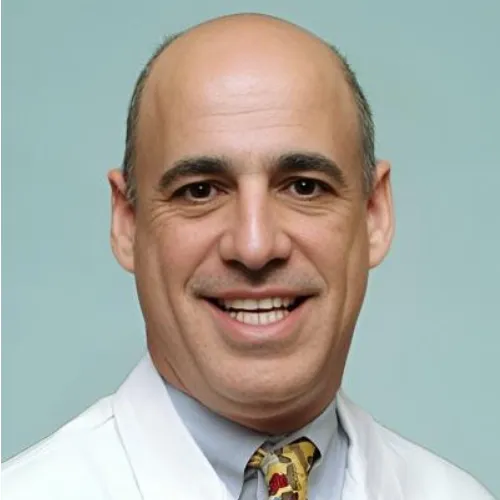
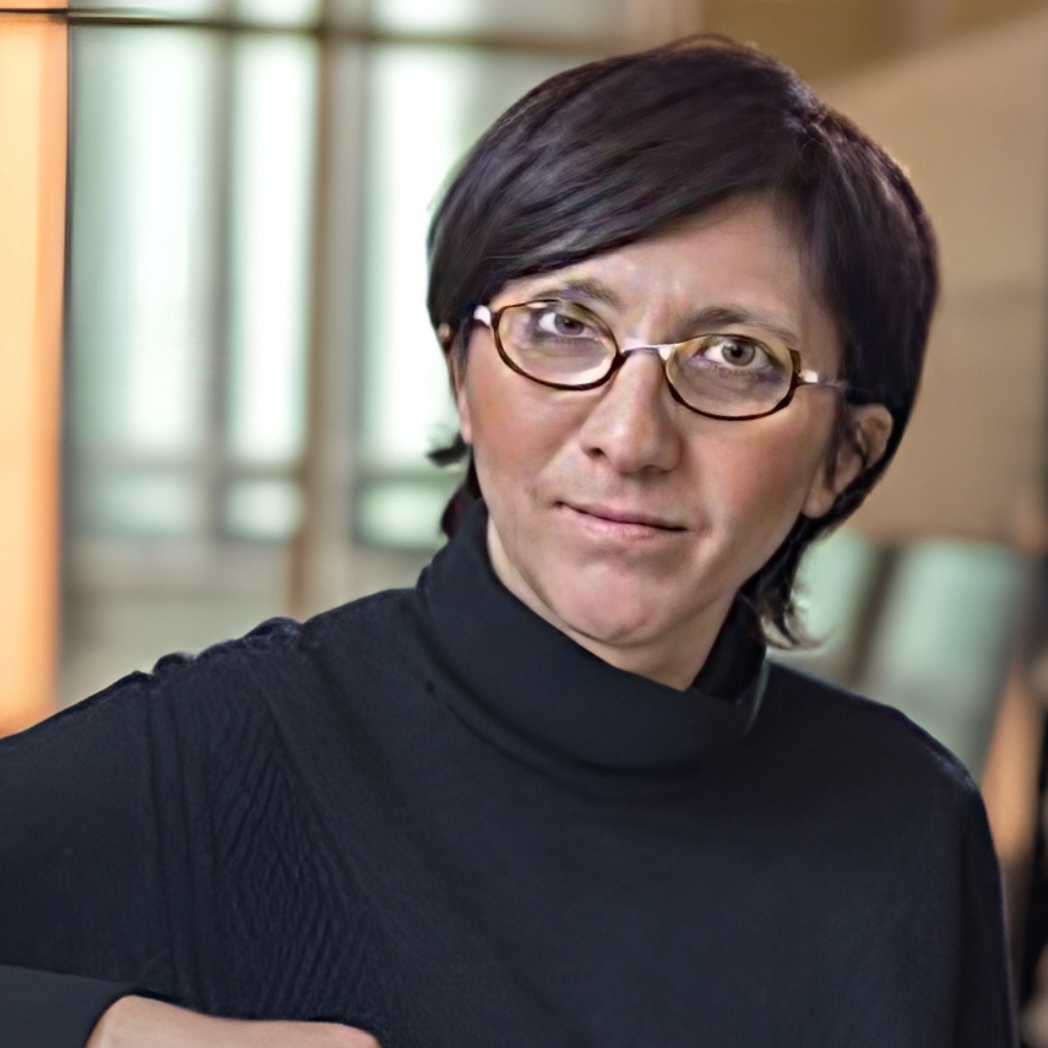
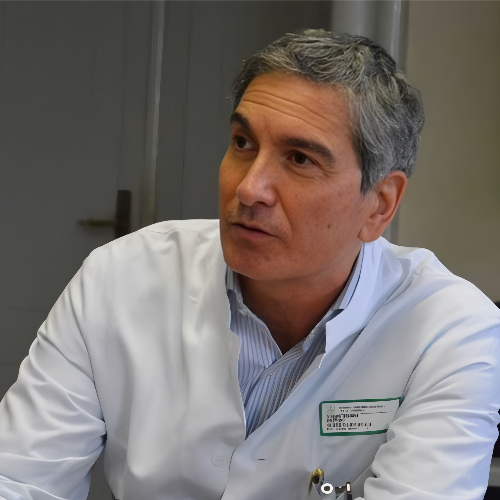
The program keeps rare diseases in view at the frontline and develops the skills to act on them: recognizing the symptom patterns that suggest a rare condition, considering the possibility during routine consultations, and applying a clear diagnostic approach to confirm suspicion and refer without delay. An international faculty of clinical experts addresses the questions pediatricians encounter directly — the early signs to watch for, the diagnostic pathways that prove effective, and the practical steps that translate suspicion into a timely diagnosis.

























.webp)








.webp)