





Excellence in Pediatrics is a non-profit association dedicated to advancing pediatric healthcare.
Rue des Vignerons 18, 1110 Morges 1 (VD), Switzerland
email: secretariat@ineip.org
tel. +41 43 21 55 937


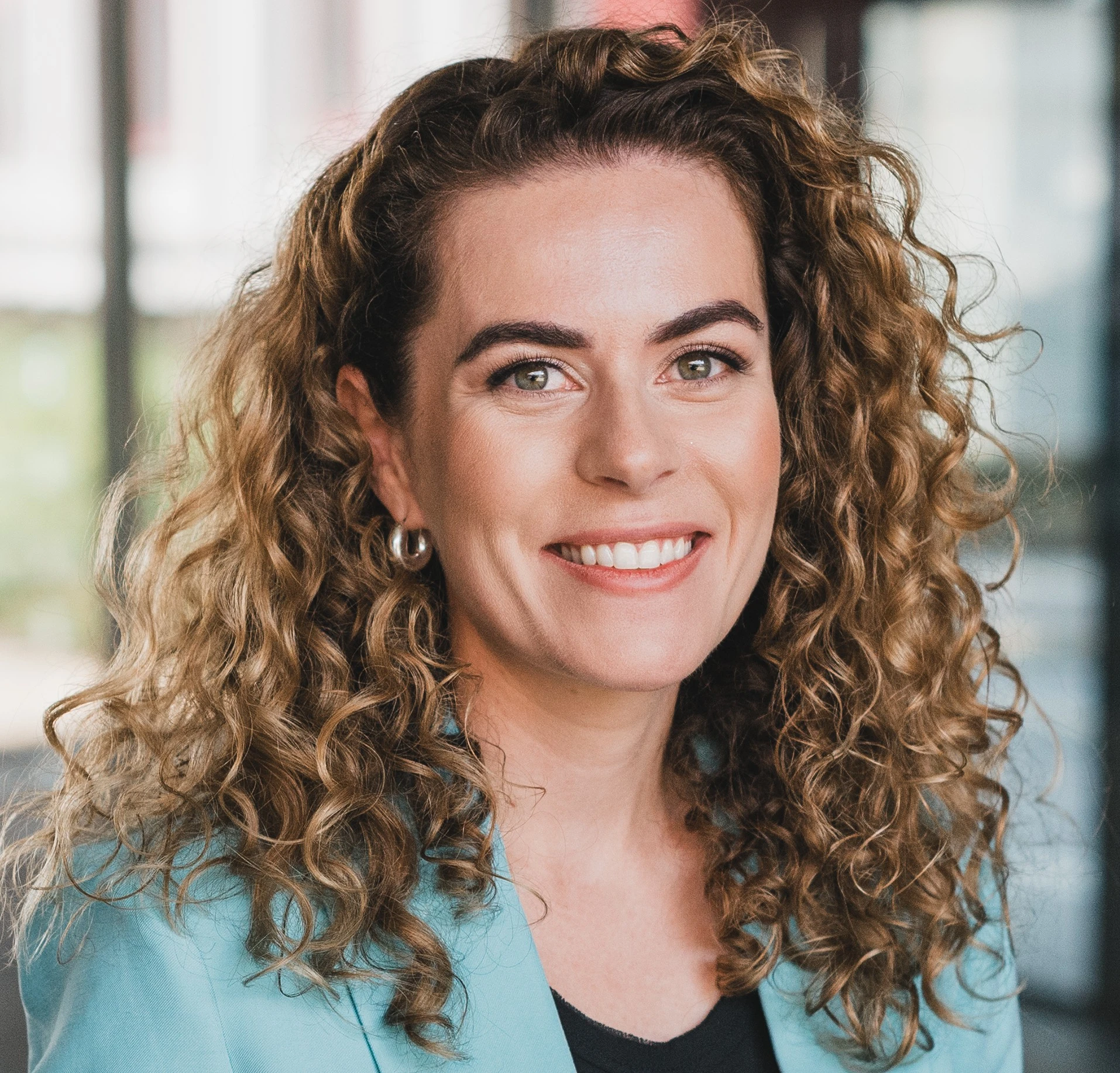
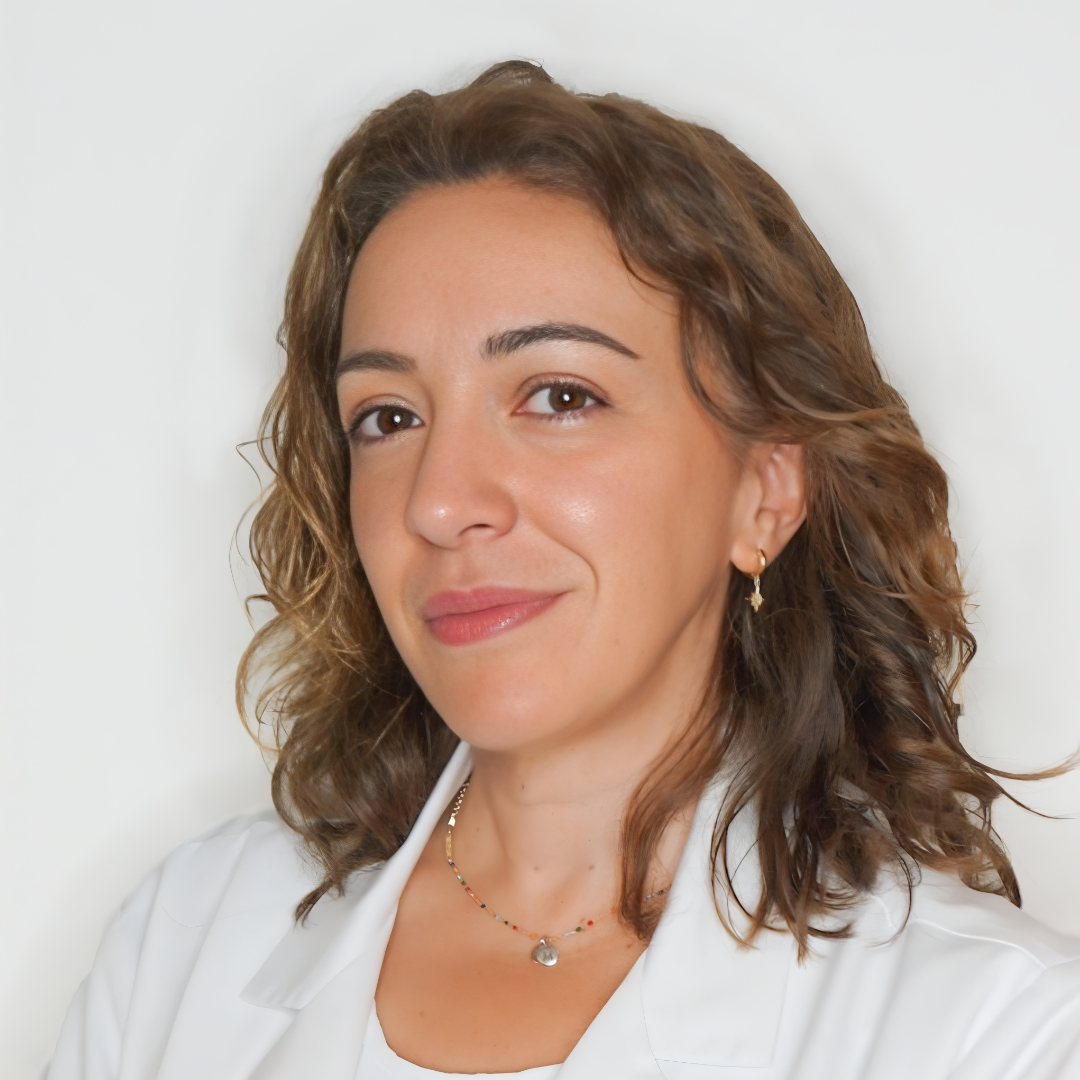
A 60-minute educational webinar with Dr Agne Kerpauskiene (nephrologist, Vilnius University Hospital Santaros Klinikos) and Dr Mónica López Rodríguez (Section Chief in Internal Medicine, Hospital Universitario Ramón y Cajal, Madrid) on what to assess when alpha-mannosidosis is diagnosed and how to monitor patients over time — the clinical scales and functional tests to use, and how to tell stability, improvement and progression apart. For pediatricians, internists and metabolic teams.


Alpha-mannosidosis is a multisystemic, progressive disease with no genotype–phenotype correlation, so the same diagnosis can follow very different courses. Dr Agne Kerpauskiene argues that the diagnosis is a starting point: unless each organ system is assessed at baseline, change cannot be recognized later. She presents a patient from Lithuania with developmental delay from seven months, hearing loss from one year, and skeletal, eye and neurological involvement through childhood, who was first suspected of having MPS type I or VI and confirmed at four with a homozygous MAN2B1 variant. At 18 she used a wheelchair. After enzyme replacement therapy started in 2019, her oligosaccharides fell from 23.19 to 1.9, her six-minute walk and stair-climbing tests improved, infections became less frequent, and she began to walk with assistance. A later rise in oligosaccharides was traced to a weight gain of about ten kilograms after a fracture, which had lowered her weight-based dose — an example of why results must be read in context. Dr Mónica López Rodríguez sets out a framework for monitoring: which domains to measure, which instruments are fit for purpose, and what change means. She draws on a 2024 Delphi consensus (20 physicians, 12 countries, 60 statements) and a patient and caregiver survey (51 responses, 18 countries) in which treated patients reported being stable or better while untreated patients reported being the same or worse. The BOT-2 has longitudinal evidence from the velmanase alfa trials, but it reads differently by age: scores improved in children and declined slightly in adults, where its use is less clear. She recommends combining the BOT-2 with the six-minute walk test, cognitive assessment and patient- and caregiver-reported outcomes; a two-layer battery (a core set at every visit, extended tests at defined intervals); the same tools and conditions at each visit; and a simple matrix for reading motor and quality-of-life results together. Stability can be a meaningful outcome in a progressive disease. The discussion covers what pediatricians should document before referral, counseling families on prognosis, behavioral change in adolescence, testing with hearing loss, intercurrent events, variation between centers, and confirming the diagnosis where genetic testing is unavailable.
This transcript was produced by automatic speech recognition and edited for readability; it has not been fully verified word-for-word. It may contain errors — particularly with names, technical terms, and where English is a speaker's second language. This session has two presenters, so the speaker attributions are our best reading of the audio and should be confirmed. It is provided as a convenience only. For anything clinical, please refer to the video recording to hear exactly what the expert said.
Dr Agne Kerpauskiene: Hello everybody. It's fantastic to be part of this webinar, and today we will talk about alpha-mannosidosis. The webinar will take about one hour. If you have questions, please do not hesitate to ask them. I am Agnė Kerpauskienė, a nephrologist from Vilnius University Hospital Santaros Klinikos. I am going to present some cases and some material about alpha-mannosidosis, and my colleague Dr Mónica López Rodríguez, an internist from Madrid with 25 years of experience treating patients with alpha-mannosidosis, will talk about what the diagnostic evaluation and monitoring should be for these patients.
Let's start with something simple. All of us, all doctors, have plenty of pleasures — reading, traveling, being with family, listening to music. But we also have a professional joy, and that professional joy is making the diagnosis. Once we have the diagnosis, the most important thing is to know what to do with it and, finally, how to treat it.
With alpha-mannosidosis there are many challenges around diagnosis. Even the exact prevalence is unknown — no one knows exactly how many individuals are affected. But we do know that when we suspect it, we can confirm it, and the gold-standard confirmation is molecular analysis finding pathogenic variants in the MAN2B1 gene.
So imagine we have suspected and diagnosed the disease. We have our professional joy — but what next? Is the case closed? We know the disease is alpha-mannosidosis, but do we know the patient's starting point? This disease is very complicated. The same diagnosis can have very different stories and very different outcomes. It is multisystemic and affects many organ systems. But which clues matter most? There is currently no genotype–phenotype correlation in alpha-mannosidosis, which makes it even more complicated.
At the time of diagnosis we need to know which organ systems are involved — perhaps not all of them, perhaps some more than others. We also don't know what changes will come as the disease progresses. If we do not measure the main features of the disease at the beginning, how will we recognize change later?
We are lucky that alpha-mannosidosis has a treatment. So imagine treatment starts for our diagnosed patient — but the mystery deepens. There are measurable laboratory tests, such as oligosaccharide levels, and there are tests for clinical evaluation. The numbers improve, but does the patient improve? And if there is no improvement but stability, does that mean the treatment has no effect? Today we will discuss two central questions: for meaningful monitoring, what should we measure at the time of diagnosis, and how do we know whether treatment is working?
Let's start with a real patient. In Lithuania we have ten patients with alpha-mannosidosis in total. Lithuania is a small country of only 2.5 million people, so that is quite a lot of cases for such a small population. I am a nephrologist and head of the rare kidney and metabolic disease division, so I take care of adult patients with alpha-mannosidosis. Pediatric patients are cared for in the same hospital, at the pediatric rare disease coordinating center, and we communicate a lot.
The first time I saw this patient, she was 18 years old. She already had a diagnosis of alpha-mannosidosis and was transitioning from the pediatric rare disease coordinating center to our center. She had intellectual disability, impaired hearing, coarse facial features and clinical skeletal abnormalities; she used a wheelchair and had ataxia.
Looking at her history, she was from a first pregnancy and first delivery. Her parents were young, healthy, not consanguineous, and unaware of any disease in the family. At seven months of age she began to show delayed psychomotor development. At two she was referred to a geneticist, who suspected mucopolysaccharidosis type I or VI — a very standard situation, as alpha-mannosidosis and the MPS disorders are often confused. At that time our hospital had a genetic laboratory but no lysosomal storage disease panel, so only when she was four years old was her blood sent to the department of genetics in Warsaw, Poland. They found low alpha-mannosidase activity and, finally, a homozygous pathogenic variant in the MAN2B1 gene. This variant is well known and very common in the alpha-mannosidosis population worldwide. Although her parents were not related, this may be explained by a founder effect — they may be very distant relatives from many generations ago.
On skeletal evaluation at ten years of age, she had bone deformities, arthropathy and very dysplastic hip joints. Specific functional tests were also performed at ten: her six-minute walk test was 150 meters, compared with around 500 to 750 meters expected for her age and sex, and her three-minute stair-climbing test was also clearly reduced compared with healthy children.
Looking at eyes, ears, and the immune and nervous systems, she had myopia and strabismus, hearing abnormalities, and immunodeficiency with frequent respiratory infections. Her forced vital capacity was 76%, only slightly reduced. Neurologically, she had no hydrocephalus but had signs of sleep apnea, and she had intellectual disability; her speech was very difficult to understand, which may also have been related to her hearing loss. Cardiac evaluation showed intermittent first-degree atrioventricular block and mitral valve regurgitation, and ultrasound showed splenomegaly.
So, in sequence: delayed psychomotor development at seven months, hearing abnormalities at one year, skeletal and eye abnormalities at ten years, and neurological abnormalities at 15. When she came to our department at 18, she could not walk, used a wheelchair, and had many problems.
This was in 2019. In 2018 there was big news: alpha-mannosidosis finally had a treatment, as enzyme replacement therapy was approved for the disease. We were lucky — it took only one year to persuade our government to start treatment for this patient, even though she was an adult. In our country the treatment is reimbursed, but we must show its effectiveness every six months, using defined effectiveness criteria.
One of these is the oligosaccharide level: it was 23.19 just before treatment and dropped to 1.9 after treatment started. We also saw improvement in the six-minute walk test and the stair-climbing test, some improvement in her intellectual and social abilities, and fewer infections. But the most interesting point was that she came to us in a wheelchair, and she started to walk — with assistance, but she walked. Her mobility improved.
The intellectual improvement was surprising, because we know the enzyme cannot cross the blood–brain barrier. But her mother, a very good and very involved caregiver, said that her communication skills and intellectual abilities really improved. We referred the patient to our multidisciplinary team, which is very important in caring for these patients — many specialists need to be involved. One of the most important things is having dedicated specialists: when the same specialist always cares for these patients, they gain experience and know where to look and what to do. We have such a team, and we continue to care for this patient today.
She is still on enzyme replacement therapy and still doing well, but we saw her oligosaccharide levels start to rise after being stable, which raised a question for us. Everything else was fine. What had changed was her weight — and enzyme replacement therapy is dosed by weight. She had broken her leg, a fairly severe fracture, and could not walk for some time, so we could not weigh her. Her weight increased by about ten kilograms, we missed that point, and her effective dose was therefore lower — which is probably why the oligosaccharide levels rose. We have now adjusted the dose and hope the levels will fall again. So how do we know whether treatment is still working? I'd now like to hand over to my colleague, Dr López Rodríguez.
Dr Mónica López Rodríguez: Thank you, Agnė, and nice to meet all of you. I am Mónica López, an internist, and I care for adult patients with alpha-mannosidosis and other lysosomal diseases. Here we have a problem: monitoring patients with ultra-rare diseases. These are my conflicts of interest. My presentation is based on three very important papers, which I recommend the audience read carefully.
We have four questions for monitoring alpha-mannosidosis. What: which domains should we measure? How: which instruments are fit for purpose, and can we implement them? And after that: what does change mean — stability, improvement or progression? We don't fully know, and we are trying to define it.
Alpha-mannosidosis is a multisystemic, progressive disorder. It affects motor function and mobility — muscle weakness, ataxia, skeletal disease; cognition and behavior — cognitive impairment and psychiatric manifestations, which are very difficult for those of us who are not psychiatrists; and daily life — hearing and speech limitations, pain, self-care and mental health.
In 2024 we carried out a Delphi process with 20 physicians from 12 countries. Over three survey rounds we reached 60 consensus statements covering the initial assessment needed for a comprehensive baseline, follow-up with relevant assessments at defined intervals, and treatment-related follow-up.
We also have patient and caregiver data showing why trajectory matters. We had 51 responses from 18 countries. Most respondents were on enzyme replacement therapy, seven had received a hematopoietic stem cell transplant, and fewer than 20 were untreated. They reported on domains including walking ability, pain, self-care and mental health. People on enzyme replacement therapy and those who had received a transplant were at least the same as in previous years, and some were better than five years earlier, whereas untreated people were the same or worse. The caregiver responses — for walking ability, self-care, social life and quality of life — showed the same pattern across treated and untreated individuals.
The first clinical domain is motor function. In the alpha-mannosidosis trials, the Bruininks–Oseretsky Test of Motor Proficiency, second edition (BOT-2), was used to assess fine and gross motor performance across multiple subtests and composite scores, together with the six-minute walk test for functional endurance, and the patient perspective through a visual analogue scale (VAS) and patient- and caregiver-reported mobility, pain, self-care and mental health.
The BOT-2 is the key motor scale for this session mainly because it was used in the velmanase alfa clinical trials in children and adults, and there is evidence supporting its longitudinal use — although interpretation must differ by age. It captures fine motor control, manual coordination, body coordination, strength and agility, which matters in alpha-mannosidosis because dysostosis and ataxia can both play a role.
In the integrated trial dataset, age changes the meaning of the BOT-2 results. In children, the mean total point score increased from baseline to last observation, whereas in adults there was a slight decline from baseline. Scale scores in children showed stability or improvement relative to healthy peers, while in adults the studies reported a limited ability to assess the BOT-2. The clinical implication is that the same score trajectory should not be interpreted the same way in children and adults.
The BOT-2 is useful because the point score can capture skill acquisition, it has been used in clinical trials, and some subtests can reveal domain-specific change. But interpretation is difficult: development creates an age effect, change in adults was limited in the alpha-mannosidosis analysis, cognitive, hearing and communication limitations may affect the feasibility of testing, and a single total score can conceal subdomains moving in different directions.
So we should complement the BOT-2 rather than ask it to do everything: the BOT-2 for motor proficiency, the six-minute walk test for walking endurance, cognitive assessment for the neurocognitive trajectory, and patient-reported outcomes for symptoms, self-care and quality of life — ideally at the same visit, with an integrated interpretation.
The third point is cognition, health-related quality of life and the patient's voice. In cognitive assessment we have to separate cognition from mental health. Cognition should be measured with cognitive or neuropsychological assessments appropriate to the patient's developmental level and communication abilities. Patient- and caregiver-reported mental health or behavior captures a different construct and should be interpreted separately from cognitive performance, because they are not the same thing.
Quality-of-life measures capture what the patient lives, not only what we can test: the patient's voice on walking ability, pain or discomfort, self-care and mental health. In the study, a higher VAS means a worse status, so a negative change means improvement. In the mean VAS change, positive values indicate worsening: untreated patients were the worst, while patients on enzyme replacement therapy or after transplant were better, with negative values.
Proxy reporting can be essential in alpha-mannosidosis, because young age, cognitive impairment or communication limitations may prevent reliable self-report. Keep both patient-reported and caregiver proxy data; this improves interpretability.
How do we make monitoring feasible in clinical practice? We have to understand why implementation fails. First, time: long, multi-domain visits, and not enough time to complete everything. Second, expertise: the need for trained assessors. Third, the patient's fatigue and communication difficulties. And fourth, consistency: different sites use different tools. The practical objective is not the maximum number of tests, but a reliable longitudinal signal.
I propose a pragmatic two-layer battery. The core layer, at every planned review, includes a standard clinical review, motor and functional measures, a brief patient and caregiver outcome capture, and adverse events or intercurrent illness. The extended layer, at defined intervals, includes the BOT-2, formal cognitive and neuropsychological assessment, quality of life and system-specific investigations.
The principles are: the same instrument, the same instructions, the same environment and, when possible, the same assessor; and document the context — acute illness, orthopedic events, pain, fatigue, age and treatment changes — alongside the score.
As an example, here is "Alex," a fictional patient I generated with AI. The third column shows his follow-up at 12 months. Across the panel, this patient is not clinically stable: the results suggest progression in several domains — mobility, ataxia, fine motor function — so he needs re-evaluation, because he is worse than last year. This is why we must evaluate alpha-mannosidosis across more than one domain.
Can we say that stability is success? I think so — we must not equate no change with no benefit. In alpha-mannosidosis, improvement is change in a favorable direction, reproduced across relevant measures and clinically coherent with the patient's evaluation. Stability is the maintenance of function over time, which may be meaningful when the natural history is progressive — so stability is good for our patient. Progression is deterioration across visits, supported by the domains we have discussed and by the patient's context.
The raw point score tells us whether the patient is acquiring or losing skills; it is useful for following one person over time. But I think it is better to use a scale or norm-referenced score, because the question we have to answer is whether the patient is keeping pace with age peers. In the pediatric BOT-2 analysis, scale-score stability or improvement should be interpreted as keeping pace with healthy peers.
A practical decision matrix: if motor function and quality of life both improve, that is likely meaningful improvement. If both are unchanged, that is stability. If motor function worsens but quality of life is unchanged or better, there is a discordance and we should re-evaluate the patient. If both worsen, that indicates disease progression. We should never interpret a score without considering age, baseline severity and intercurrent events, or we could be wrong.
My take-home messages: use a multi-domain framework covering motor function, cognition and behavior, and patient-reported outcomes. The BOT-2 has alpha-mannosidosis-specific longitudinal evidence from the trials, particularly in pediatric patients; in adults it is less clear. Combine performance measures with patient- and caregiver-reported outcomes. Prioritize repeatability — the same tool, method and context across visits. And interpret stability against expected progression, in context; this is key to evaluating response or progression, mainly in treated patients.
These are the references I showed at the beginning. To finish, this is a photo from our annual meeting with patients in Spain — here I am, with Estela and Adrián, two siblings with alpha-mannosidosis, and their mother. Thank you very much for your attention.
Dr Agne Kerpauskiene: Thank you very much, dear Mónica, for a wonderful presentation. We have plenty of questions, which means a very active discussion. I know most of the audience are probably pediatricians, so let's start with this one: for a general pediatrician who has just referred a child, is there anything they should document before referral that would make the specialist's baseline more useful?
From my perspective, as adult doctors we are really happy when we have good documentation about the disease — not a huge amount of information, but precise data: when it started, how it manifested, what was diagnosed, and so on. As I mentioned, once we have the diagnosis we have to find out which organ systems are involved. Alpha-mannosidosis is a multisystemic disease, and we know which organ systems can be affected, so what we really need is, for each organ system: what is the situation now, what is wrong, and if something is wrong, when the change started. That gives us the full picture.
Dr Mónica López Rodríguez: I would add that it is important to know about previous infections, because alpha-mannosidosis is a risk condition for infections. We also need spirometry every year — spirometry is available in every center. And for patients who will be treated in the future, we need immunoglobulin levels, because IgG level is one of the biomarkers we can use in patients on enzyme replacement therapy.
Dr Agne Kerpauskiene: Of course it is up to the clinic to evaluate all organ systems, including infection and immune status, and practice may differ by country. But what we really need first is oligosaccharides, to compare disease progression and treatment response — if they are available, that would be amazing. Then spirometry, as Mónica said, which is a very good measure to follow; the three-minute stair-climbing test, which we use for comparing progression; and the six-minute walk test. These are the four main markers we usually treat as very important — for starting treatment, before starting treatment and for continuing it — so they should be documented. I would also add something we often forget: the patient's social, emotional and cognitive status, because later it can be very difficult to say what was there before and whether something is an improvement or progression. So documenting the social level would be very helpful too.
Dr Mónica López Rodríguez: Here is another very interesting question: when you sit down with a newly diagnosed family, how do you counsel them on prognosis when genetics generally can't tell you what to expect? It is very hard, for us and for the family. It is a recessive condition: both parents carry a mutant allele, and it is like a very bad lottery for a child to inherit two.
In my case, both children of the same parents have the disease. The boy was diagnosed at the age of four, when the mother was already pregnant with his sister, so there was no time for counseling, and that was very hard. In my experience it is very hard for the mother especially. My patients are adults now and live with their mother. It is very difficult to counsel at this point, because until now the prognosis and quality of life in adulthood have been difficult — they usually use wheelchairs, and their lives are very complicated. What do you think?
Dr Agne Kerpauskiene: It is complicated. As I showed, there is no real genotype–phenotype correlation, and even siblings can have a completely different disease course. But with a newly diagnosed family, I think we have to start by discussing which organ systems are involved, or could be involved. Clarity is the most important thing: we discuss the disease and which organ systems it could affect, even if they are not affected yet. We explain that the disease is heterogeneous, so the manifestations may be mild, but that we will monitor everything, and if we see a change we can look for a solution for that specific change. We can never say exactly what will happen in the future. Among my own patients I have two brothers with essentially the same mutations: one uses a wheelchair, while the other walks normally and has less severe intellectual disability. So there are probably epigenetic and other factors. We cannot predict, but we can follow — what we have to explain clearly is the disease, which organ systems could be involved, how we monitor, and how we treat if something happens. That is the most important thing to emphasize.
The next question is for Mónica: how do you tell disease-related behavioral change apart from typical adolescent development or an independent psychiatric condition, and which specialists do you involve?
Dr Mónica López Rodríguez: I would like to have a psychiatrist with us, but we don't have a psychiatrist or psychologist on the team. It can be difficult to distinguish typical adolescent development from a psychiatric condition, but patients with alpha-mannosidosis often have psychotic symptoms that we usually don't see in a typical teenager. That may be the key to the distinction.
Dr Agne Kerpauskiene: Psychiatrists and psychologists, where available, should definitely be part of the multidisciplinary team, because they have standardized tests for evaluating and differentiating these conditions. And teenagers with alpha-mannosidosis are still teenagers, with rising hormone levels, so they may have stronger emotional or cognitive difficulties that are related not only to the disease but to adolescence as well.
Dr Mónica López Rodríguez: Yes, but a typical patient with alpha-mannosidosis has behavioral and cognitive impairment that is not typical of teenagers. Hormones may play a role in mild forms, but in clinically typical alpha-mannosidosis we can distinguish a normal teenager from a patient with psychiatric manifestations of alpha-mannosidosis.
Dr Agne Kerpauskiene: That's true. In my experience, my patients smile all the time when they come to the department for their treatment.
Dr Mónica López Rodríguez: Yes, they are very happy. At home it may be another thing, but I see them smiling and kissing me, so I don't think it's an issue.
Dr Agne Kerpauskiene: With my own patient, her mother described something interesting about her teenage years. She has a younger sister who is completely healthy and very active, perhaps hyperactive. My patient had always been very polite, but she started to watch her younger sister and copy everything she said and did, and this became new behavior for her for a while. So if patients have healthy siblings, they may also imitate some behaviors — though it depends on the form of alpha-mannosidosis.
Dr Mónica López Rodríguez: There are two questions about the BOT-2. The first asks how we can adapt the BOT-2 in adult patients to support whether an adult patient is stable or progressing. I really don't have the answer to that question. We use the BOT-2 because it comes from the clinical trial, but I am not sure it is the right tool to assess motor function in adults. I prefer to use the BOT-2 together with the six-minute walk test and quality of life, and to evaluate them all together, rather than relying on a single BOT-2 measurement. I think the BOT-2 is good for children, but less so for adult patients.
Dr Agne Kerpauskiene: The second is also about the BOT-2: in practice, how do you adapt the BOT-2 or cognitive testing for a patient with severe hearing loss, and does a change in hearing support — a new hearing aid or a cochlear implant — affect how you read the scores?
Dr Mónica López Rodríguez: Quality-of-life scores and cognitive tests are not easy to assess in these patients. For the other tests, we use the information caregivers give us, because sometimes patients cannot complete all the scales or tests.
Dr Agne Kerpauskiene: When a patient has surgery or an orthopedic event between visits, how do you separate its effect on motor scores from disease progression or treatment response?
Dr Mónica López Rodríguez: I don't know what you do, Agnė, but in any condition, not only alpha-mannosidosis, when a patient has an intercurrent event — orthopedic surgery, for example — we separate it from the progression of the main condition.
Dr Agne Kerpauskiene: Yes, definitely. If the surgery is associated with the disease — for example, skeletal abnormalities or joint disease progressing to the point of needing surgery — then it probably does reflect some progression. But if something unrelated happens, such as a fracture or another injury, we cannot put it into the same measure or score it as progression.
There is also a very interesting question about the Delphi consensus, which involved 20 physicians across 12 countries: in practice, how much does the monitoring approach vary between centers, and does that make it harder to compare how a patient is doing if they move or transfer care?
Dr Mónica López Rodríguez: It's a good question. Twenty physicians in 12 countries is not many. But my impression is that we manage patients very similarly in different countries, because alpha-mannosidosis is an ultra-rare disease and the doctors who know about it are the same people at every meeting. So we usually use the same approaches and the same tests with our patients, because we share the same information.
Dr Agne Kerpauskiene: That's true, but there are also some differences, which we discussed before this webinar. For example, in my country we don't use the BOT-2. We have the three-minute stair-climbing test, the six-minute walk test, and some quality-of-life tests that are probably standardized everywhere — but not the BOT-2. Maybe we should include it. To be honest, it would be fantastic to standardize specific tests for alpha-mannosidosis. The BOT-2 is quite specific for alpha-mannosidosis, but other tests are designed for the general population. It would be incredible to have a standardized set of tests, approved in all centers around the world, that could be performed in everyday practice so we could monitor patients the same way everywhere. Not everywhere is the same — that is a question to think about.
And the final question: how can alpha-mannosidosis be confirmed when genetic testing is unavailable or unaffordable?
Dr Mónica López Rodríguez: We can suspect it from urine testing — the amount of mannose-rich sugars in the urine can give an indirect diagnosis — together with clinical suspicion: infections during childhood, developmental delay, progressive loss of motor skills and ataxia, and facial features similar to those in mucopolysaccharidosis. But to confirm the diagnosis, you need the molecular test.
Dr Agne Kerpauskiene: Sometimes even urine or other specific laboratory testing is not available. There are manifestations that are very typical of alpha-mannosidosis, but early on they can be very similar to the mucopolysaccharidoses. Genetic confirmation is the gold standard. Oligosaccharide levels can also help, though they are usually measured in the same genetic or biochemical center. In our case, we didn't have the testing available at the time, so we looked for a solution: we saw something was wrong with the patient and found centers in other regions and other countries to send samples to. There are options, and we just have to look for them.
I see our time is running out. It was a very good discussion. To summarize: there are plenty of good tests to follow how a patient is doing, but first, after diagnosis, we have to know what is happening with our patient — which organ systems are involved. Second, there are great tests such as the BOT-2, if it is available in your country, the stair-climbing test, the six-minute walk test and so on, which are reasonable to perform to follow the disease. But please do not forget something very important: how the patient and caregiver feel, and how the disease affects their daily life — pain, disability, needing assistance, not being able to walk or manage self-care.
As clinicians we may see one point as most important — for example, mobility. For my patient, starting to walk after using a wheelchair seemed to me the most important improvement of all. But the patient or her parents might say that her cognition and social skills improved, that they can now communicate better, and that this matters even more. So it is sometimes very difficult to say which point matters most, and clinicians and patients may see it differently. What matters most is that we cooperate, because even a very small improvement in any area can be huge in a disease as difficult and complicated as alpha-mannosidosis. Final words to you, Mónica.
Dr Mónica López Rodríguez: I want to thank the audience for being with us in this webinar. As you said, we cannot always treat, but we always have to be close to our patients. Think Rare. Thank you very much.

Because alpha-mannosidosis affects many organ systems, progresses over time, and has no genotype–phenotype correlation, so the diagnosis alone does not show where the patient starts or how the disease will develop. Each organ system should be assessed at diagnosis — what is affected, and when changes began — because without a baseline, later change cannot be recognized. In Dr Kerpauskiene’s case, documented baseline values for oligosaccharides, the six-minute walk test, stair climbing and lung function made it possible to show the effect of enzyme replacement therapy, which in her country must be demonstrated every six months for reimbursement.
The BOT-2 (Bruininks–Oseretsky Test of Motor Proficiency) was used in the velmanase alfa trials and has longitudinal evidence, mainly in children; in adults it is less clear. The speakers recommend combining it with the six-minute walk test, stair-climbing test, spirometry, cognitive or neuropsychological assessment appropriate to the patient’s level, and patient- and caregiver-reported outcomes on walking, pain, self-care and mental health. Oligosaccharides, and IgG in treated patients, serve as biomarkers. Dr López Rodríguez proposes a core set at every visit and extended tests at defined intervals, using the same tools and conditions each time. Practice still differs between centers — not all use the BOT-2.
Improvement is change in a favorable direction, reproduced across relevant measures and consistent with the clinical picture. Stability — maintained function over time — can be a meaningful benefit in a progressive disease, so no change should not be read as no effect. Progression is deterioration across visits, supported by several domains. A practical matrix: motor and quality of life both better suggests improvement; both unchanged suggests stability; motor worse with quality of life unchanged or better is a discordance that needs re-evaluation; both worse indicates progression. Scores should always be read against age, baseline severity and intercurrent events such as fractures, surgery or dose changes.
Clear, concise documentation of when symptoms started, how they presented and what was found, organized by organ system: what is affected now and when changes began. Dr López Rodríguez adds the history of infections, spirometry, and immunoglobulin levels, as IgG is used as a biomarker in treated patients. Dr Kerpauskiene lists oligosaccharides (if available), spirometry, the three-minute stair-climbing test and the six-minute walk test as the main markers used to start and continue treatment. She also recommends recording the child’s social, emotional and cognitive status, because without it, it is difficult later to tell whether a change is improvement or progression.

This content is intended for healthcare professionals only. The views expressed are those of the presenters and do not necessarily reflect those of Excellence in Pediatrics; their inclusion does not imply endorsement. The content is provided for educational purposes only and does not constitute medical advice or replace independent clinical judgement.