Background: Gentamicin has a narrow therapeutic index and significant pharmacokinetic variability in neonates, making therapeutic drug monitoring (TDM) important for safe and effective therapy. Previously, gentamicin trough levels were not routinely performed in our NICU. Samples were sent to an external laboratory, with results taking approximately two weeks, limiting timely dose optimization. A pharmacist-led, in-house TDM process was introduced to improve monitoring and clinical decision-making.
Objective: To evaluate improvement in gentamicin TDM completion, compliance, and acceptance of pharmacist interventions following implementation of a pharmacist-led monitoring process from February to August 2026.
Methods: NICU patients receiving gentamicin from February through August 2026 were retrospectively reviewed. TDM was applicable to patients whose gentamicin therapy continued for more than 48 hours; patients receiving therapy for 48 hours or less were excluded from TDM assessment. Data included gentamicin levels, sampling, renal function, pharmacist recommendations, dose or interval modifications, and acceptance of pharmacist interventions. Monthly TDM completion and compliance were assessed throughout the project period.
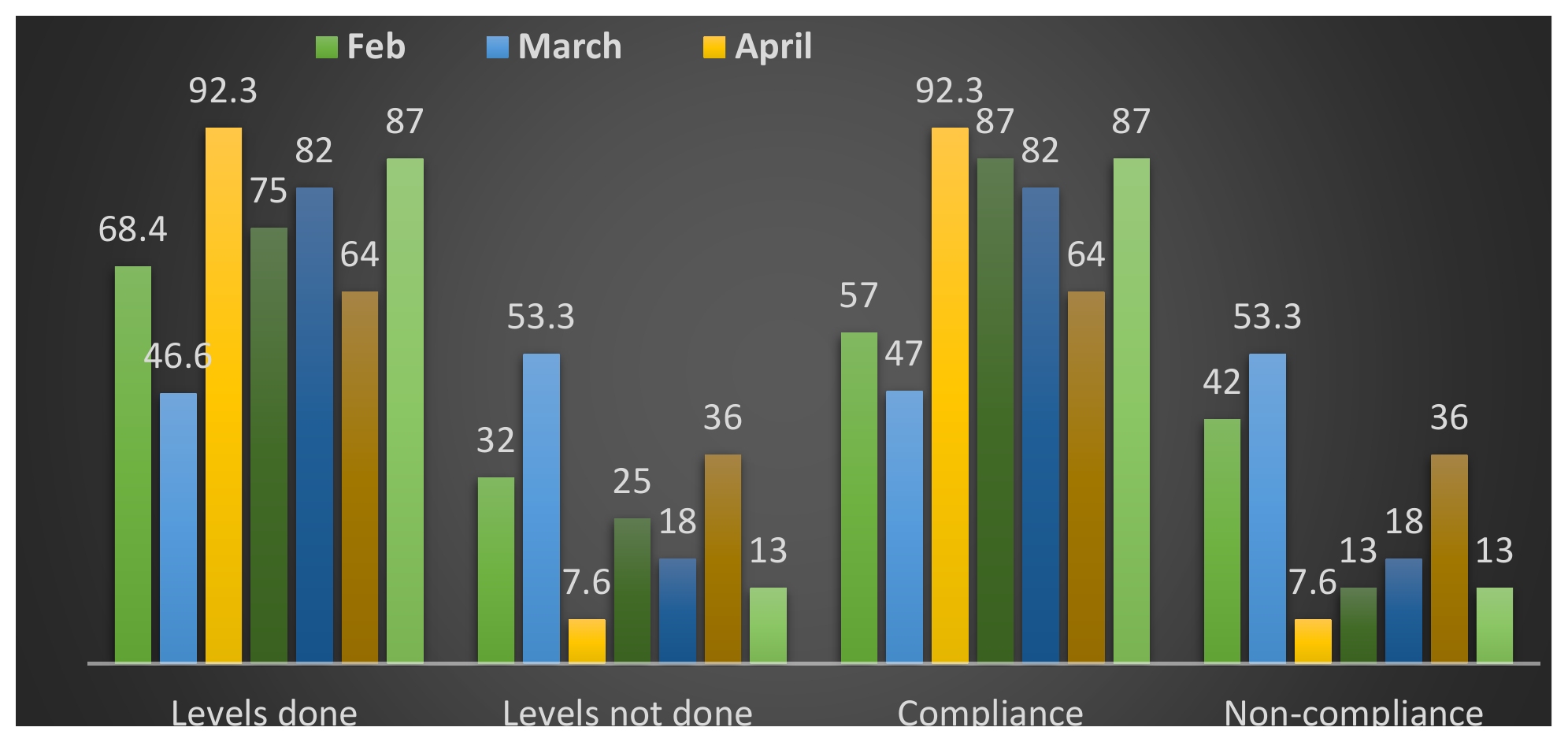
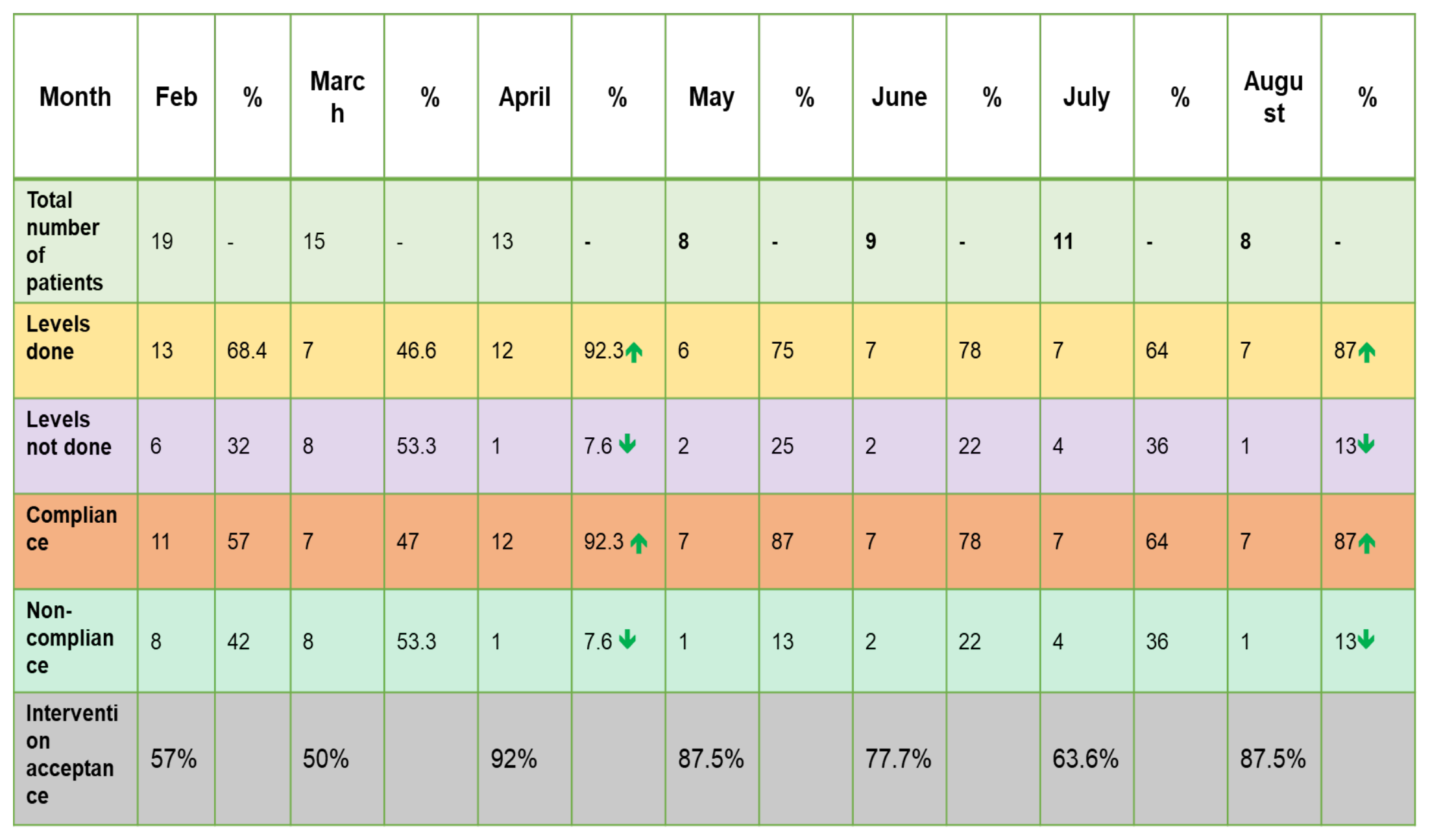
Results: The pharmacist-led initiative demonstrated improvement in gentamicin TDM practices. In February, 13 of 19 patients (68.4%) had documented gentamicin levels, compared with 7 of 8 patients (87.5%) in August. Compliance with TDM recommendations increased from 57.9% in February to 87% in August, representing a 29.1 %-point improvement. During the study period, 51 gentamicin levels were documented; 42 (82.4%) were below 2 mg/L and 9 (17.6%) were ≥2 mg/L, facilitating identification of patients requiring further review.
Pharmacist involvement supported timely interventions, including dose-interval extension, withholding doses when appropriate, repeat level monitoring, and continued monitoring during prolonged therapy. The acceptance rate of pharmacist interventions was 57% to 87.5%, demonstrating complete acceptance of documented recommendations by the clinical team. In-house TDM also improved communication among pharmacists, prescribers, nurses, and the laboratory, allowing dosing decisions to be guided by measured drug concentrations.
Conclusion: Implementation of a pharmacist-led, in-house gentamicin TDM process improved monitoring and compliance in the NICU. TDM compliance increased from 57.9% to 87% between February and August 2026, while pharmacist intervention acceptance reached 87.5%. The initiative supported timely identification of elevated concentrations and appropriate dosing interventions. Continued pharmacist involvement, standardized sampling, staff education, and regular audit-feedback may help sustain these improvements and enhance neonatal medication safety. (Table 1 and Figure 1)