Background: Pseudomonas aeruginosa is an opportunistic Gram-negative pathogen and an important cause of healthcare-associated bloodstream infections in children, particularly among critically ill patients and those with invasive devices. These infections are associated with severe disease and high mortality. However, data on the epidemiology and outcomes of pediatric P. aeruginosa bloodstream infections in Oman remain limited.
Objectives: To characterize the epidemiology, clinical features, antimicrobial susceptibility patterns and independent predictors of mortality among children aged <14 years with Pseudomonas aeruginosa bloodstream infections (BSI) in Oman.
Methods: A retrospective multicenter cohort study was conducted across nine hospitals in Oman between 2015 and 2024. All laboratory-confirmed P. aeruginosa BSI episodes in children aged <14 years were included. Demographic, clinical, microbiological and outcome data were analyzed. Associations between prognostic variables and 90-day mortality were evaluated using chi-square testing and multivariable logistic regression. Ethical approval was obtained.
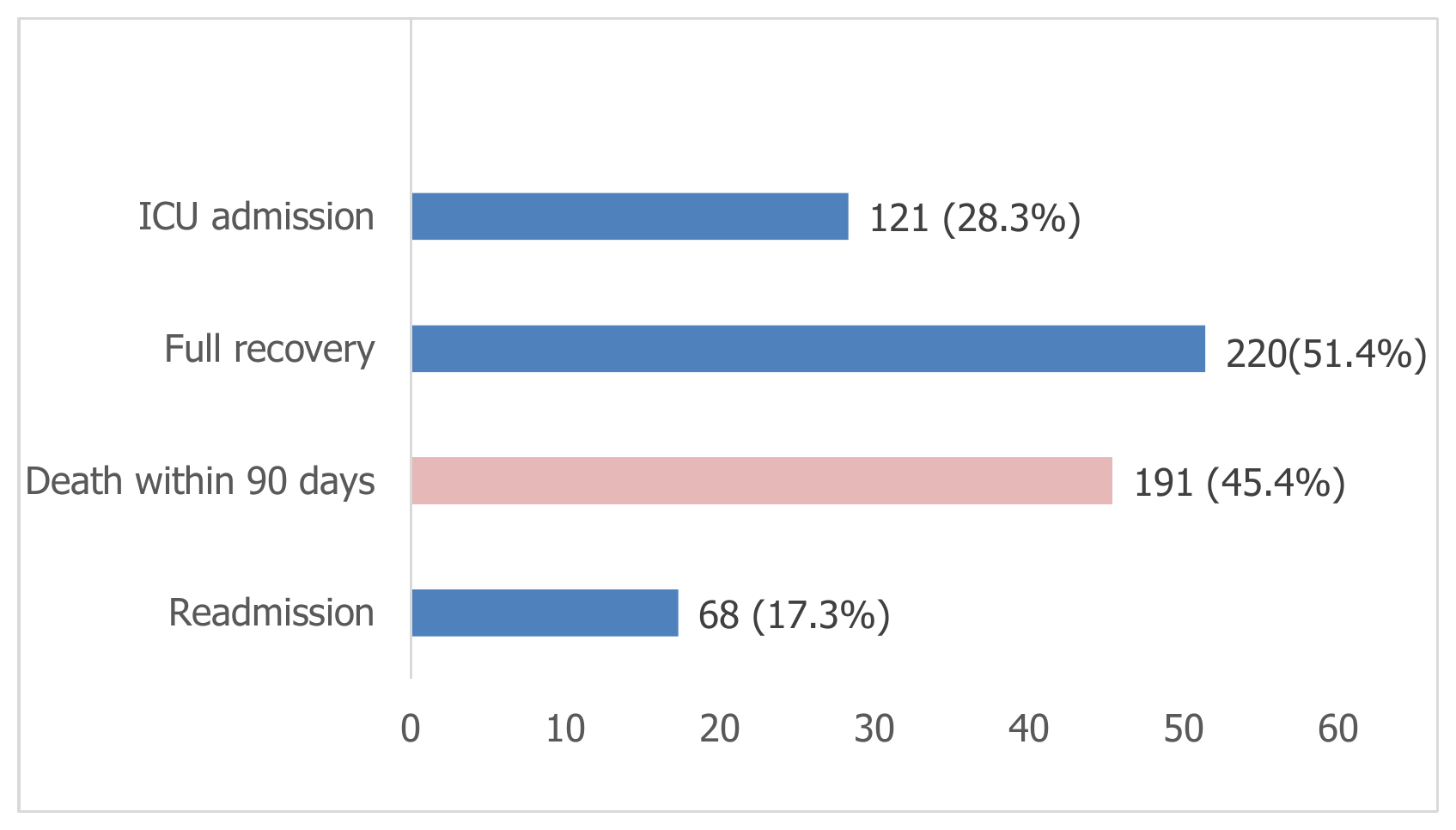
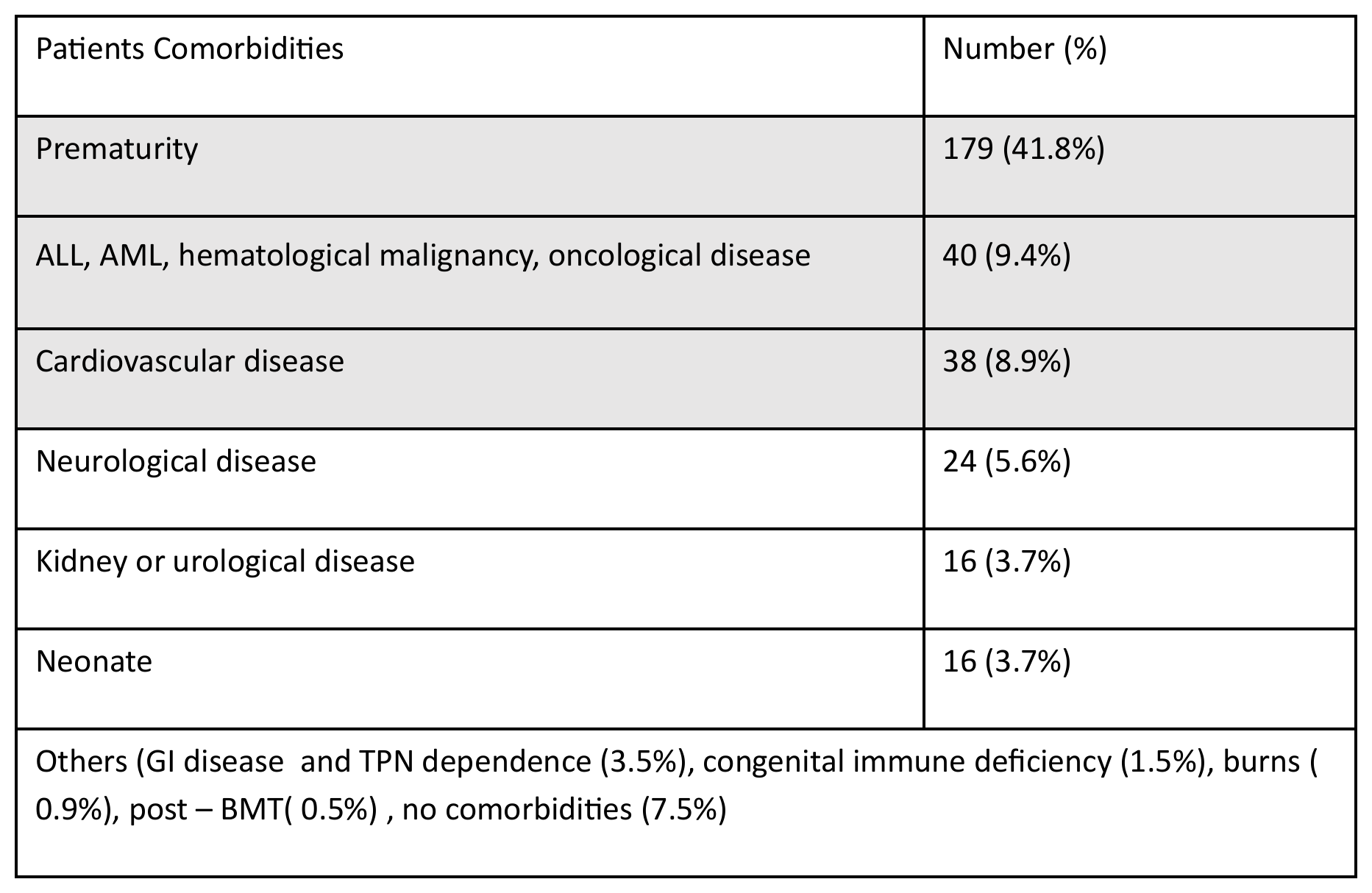
Results: A total of 428 BSI episodes were identified; 53.3% occurred in males. Most infections were hospital-onset (77.3%). Prematurity (41.8%) and central venous catheter use (63.4%) were common risk factors. Primary bacteremia (39.9%) and respiratory tract infection (34.2%) were the predominant sources. Severe manifestations included respiratory failure (67.8%) and septic shock (49.3%). The 90-day mortality rate was 45.4%. In multivariable analysis, invasive mechanical ventilation independently increased mortality risk (adjusted odds ratio [aOR] 3.70; P<0.001). Prior ICU admission within three months was associated with reduced recovery (aOR 0.42; P=0.004). Infectious diseases consultation independently reduced mortality (aOR 0.42; P<0.001) and improved recovery (aOR 1.59; P=0.04). Susceptibility remained high to amikacin (96.8%), ciprofloxacin (96.9%) and piperacillin–tazobactam (90.1%). (Table 1 and Figure 1)
Conclusion: P. aeruginosa BSI in Omani children carries substantial mortality. Invasive ventilation and recent critical illness predict adverse outcomes, whereas infectious diseases consultation appears protective.