Introduction: Bronchial carcinoid tumors are well-differentiated neuroendocrine neoplasms of the lung. Histologically, they are classified into typical carcinoid (TC) and atypical carcinoid (AC), based on mitotic activity and the presence of necrosis.
Methods: Although rare overall, bronchial carcinoid tumors represent the most common primary malignant epithelial lung tumors among the pediatric age group. Most affected patients exhibit either nonspecific symptoms or airway obstruction symptoms such as recurrent pneumonia, cough, wheeze, hemoptysis, or dyspnea, often leading to delayed diagnosis. In rare cases, they present with paraneoplastic syndromes such as ectopic ACTH secretion or carcinoid syndrome, but these are exceptionally rare in children.
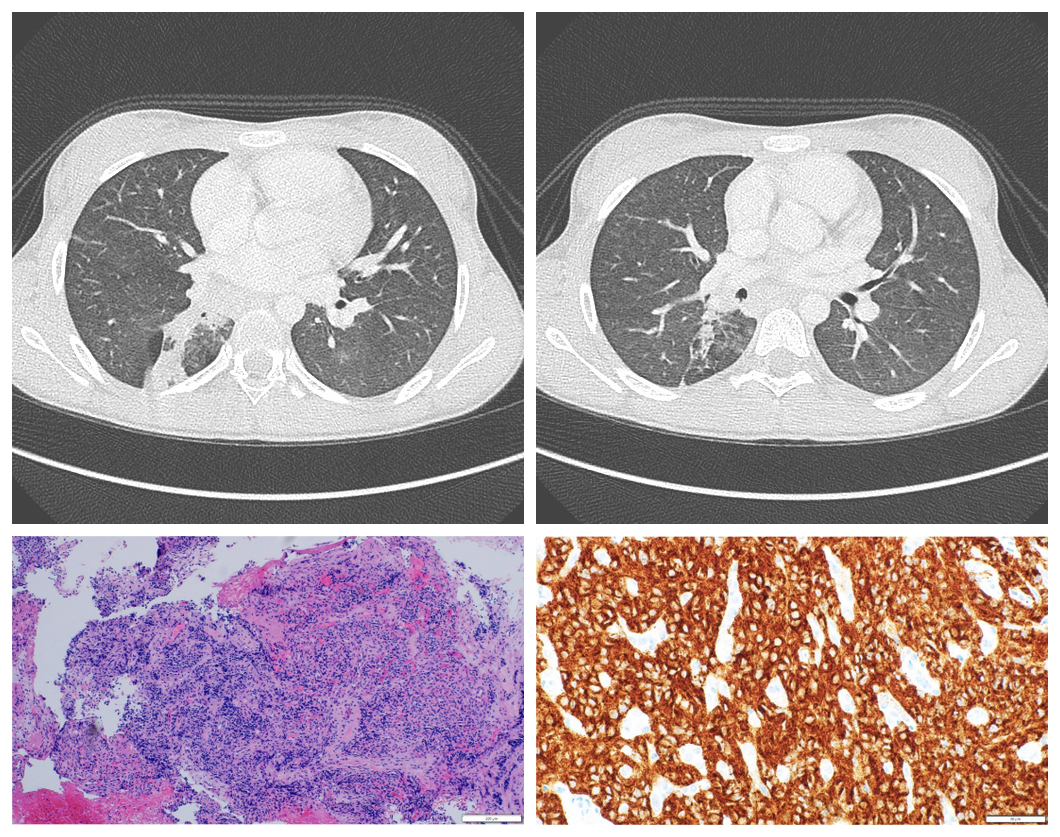
Case Presentation: We present a case of a 10-year-old girl with a carcinoid tumor of the bronchus intermedius (Figure 1). The presentation, diagnostic workup, histopathology, anesthesia management, and surgical details are discussed, along with a review of the literature on pediatric bronchial carcinoid tumors. This case is presented due to the young age of the patient and the rarity of bronchial carcinoid tumors in this age group, as well as the surgical and anesthetic challenges encountered during management, particularly the difficulty of achieving adequate lung isolation in a pediatric patient with a centrally located endobronchial tumor.