Background: Functional symptoms are a common reason for healthcare utilisation among children and young people (CYP), affecting up to 25%, and including presentations such as functional neurological disorder (FND). Although the interaction between physical and mental health is well recognised, clinical services often remain divided. National guidance promotes integrated, patient-centred models of care that address both physical and emotional health needs (NICE NG204). The Mind and Body Clinic was developed as a joint paediatric and mental health service within a Northwest London District General Hospital, offering coordinated multidisciplinary care for CYP experiencing persistent functional symptoms.
Methods: A monthly joint general paediatric and psychologist clinic was developed for children and young people (CYP) presenting with persistent functional symptoms. Assessments considered the interplay between physical symptoms, mental health, emotional wellbeing, and patients' understanding of mind-body interactions. Advice, onward referrals, and follow-up plans were provided where indicated.
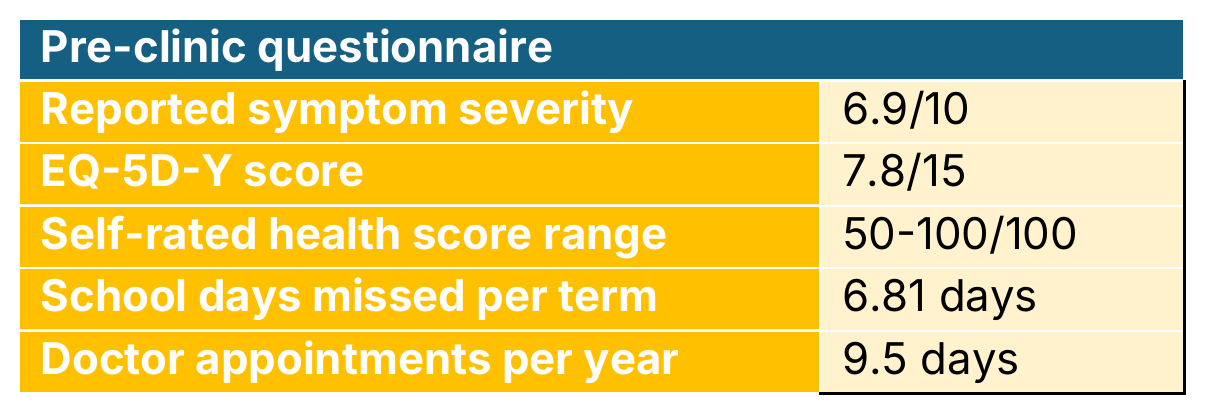
Referral information, including source of referral, safeguarding concerns, and prior Child and Adolescent Mental Health Services (CAMHS) involvement, was reviewed. Patients completed pre-clinic questionnaires evaluating symptom burden, healthcare use, school attendance, and quality of life (EQ-5D-Y).
Results: 53 referrals were received during the evaluation period and 36 (68%) were accepted for assessment. Referrals originated predominantly from general paediatric clinics (53%), followed by the Emergency Department (19%) and inpatient services (15%). Most patients were early-to-mid adolescents, with the mean patient age being 13.2 years. The median (hospital) healthcare utilisation was 3-4 encounters in the 12 months before their appointment. Most referred patients were from Harrow (58%), followed by Brent (32%), and the rest spread out between Barnet, Ealing, Hillingdon and Hounslow.
The outcomes for patients were mostly psychoeducation and written signposting with Advice and Guidance. All but one patient were subsequently discharged back to their GP with on-going oversight from their local paediatrician.
(Table 1)
Following the clinic, for the 30 patients analysed: six patients had safeguarding concerns with onward safeguarding referrals completed; six patients (20%) had newly identified mental health concerns, with an onward referral to CAMHS; five patients (17%) were already known to CAMHS services. The symptoms being experienced by the patients were diverse, most commonly headaches, abdominal pain, chest pain, dizziness, fatigue and collapse; often occurring alongside psychosocial stressors including school difficulties, bereavement and bullying.
Conclusions: The Mind and Body Clinic demonstrates the feasibility and value of an integrated paediatric and psychological model for children and young people with persistent functional symptoms, often meeting an unmet need. Referrals were primarily from within secondary care and represented a cohort with significant symptom burden, reduced quality of life, frequent healthcare utilisation, and school absence. The clinic identified previously unrecognised safeguarding and mental health concerns, facilitating timely onward referral and support. Most patients were managed through assessment, psychoeducation, and personalised advice, with discharge back to primary and secondary care services without requiring ongoing specialist follow-up. These findings suggest that a joint paediatric-psychology clinic can bridge the gap between physical and mental health services, promote holistic understanding of symptoms, and support more coordinated, patient-centred care for CYP with functional disorders.