Background: Abetalipoproteinemia (ABL) is a rare autosomal recessive disorder caused by mutations in the MTTP gene, resulting in impaired lipoprotein assembly, fat malabsorption, failure to thrive, and progressive neurological complications. Early recognition and treatment are essential to prevent irreversible neurological sequelae.
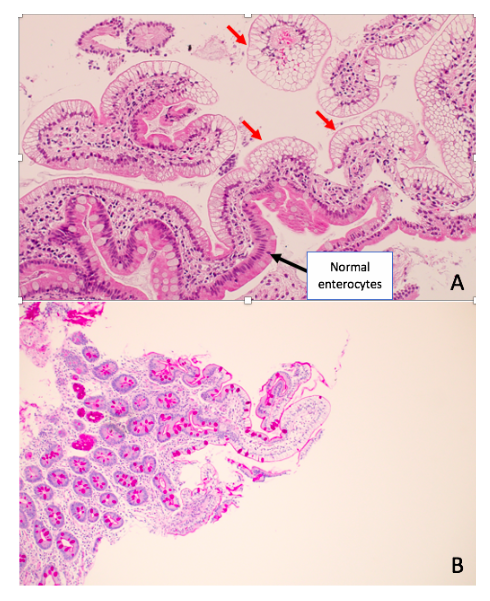
Case Series: We report three pediatric patients with ABL from the same geographic region, demonstrating variable clinical presentations, genetic heterogeneity, and differences in outcomes. Two siblings were found to harbor a homozygous MTTP c.582G>C mutation, while the third patient carried a novel MTTP c.1107_1109delAGA, p.(Glu370del) variant. Clinical manifestations included fat malabsorption, growth failure, vitamin deficiencies, and neurological complications (Figure 1). The third patient additionally developed hypoparathyroidism and central hypothyroidism, representing an unusual endocrine phenotype that may broaden the recognized clinical spectrum of ABL.
Management and Outcomes: Treatment with a diet enriched in medium-chain triglycerides and supplementation of fat-soluble vitamins was associated with improved growth and neurodevelopment when initiated early. In contrast, delayed diagnosis was associated with persistent neurological impairment despite subsequent nutritional and vitamin therapy. The presence of endocrine abnormalities in the third patient highlights the importance of broader systemic assessment in patients with atypical presentations.
Conclusion: This case series highlights the phenotypic and genetic heterogeneity of abetalipoproteinemia and emphasizes the importance of early diagnosis and comprehensive genetic evaluation. Prompt initiation of targeted nutritional therapy and fat-soluble vitamin supplementation may improve growth and prevent irreversible neurological complications. Endocrine evaluation should also be considered in patients with atypical features, as previously unrecognized manifestations may expand the phenotypic spectrum of ABL.