Background: Dextrocardia with situs inversus totalis is a rare congenital anomaly featuring complete mirror-image reversal of the thoracic and abdominal viscera. While isolated dextrocardia carries a high risk of congenital heart disease (90–95%), its presentation with situs inversus has a much lower incidence of structural cardiac defects (0–10%). Consequently, many affected individuals remain completely asymptomatic, with the condition discovered incidentally during routine medical exams.
Case Presentation: This report describes the incidental finding of dextrocardia with situs inversus totalis in a healthy, asymptomatic 5-year-old boy during a routine pediatric health maintenance visit. The patient had no history of chronic illness or recurrent respiratory infections. Physical examination revealed stable vital signs and age-appropriate growth. Notably, cardiovascular assessment demonstrated a visible cardiac apex beat in the right fifth intercostal space along the mid-clavicular line, with heart sounds louder on the right side of the chest; no murmurs were present. Abdominal percussion revealed liver dullness in the left hypochondrium.
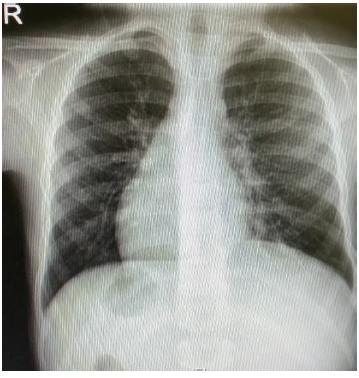
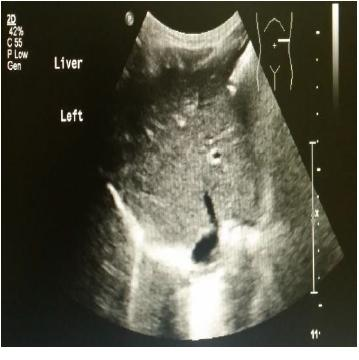
Diagnostic confirmation was achieved through multi-modality imaging. A chest radiograph demonstrated the cardiac apex in the right hemithorax and the gastric bubble in the right upper quadrant (figure 1). Transthoracic echocardiography confirmed dextrocardia with the inferior vena cava and aorta on the right side, but revealed no structural cardiac abnormalities. An abdominal ultrasound confirmed complete visceral transposition, locating the liver and gallbladder in the left hypochondrium (figure 2) and the spleen in the right hypochondrium (figure 3); both kidneys were normal.
Conclusion: This case underscores the critical importance of performing meticulous physical examinations in all pediatric patients. Early and accurate recognition of situs inversus totalis is vital to ensure proper clinical management, avoid diagnostic confusion in acute presentations (such as left-sided appendicitis pain), and prevent potentially fatal surgical mishaps resulting from unrecognized reversed anatomy.