Background: Severe prematurity complicated by hypoxic-ischemic injury and intracranial hemorrhage frequently leads to profound neurodevelopmental impairment and drug-resistant epilepsy, with limited therapeutic options and poor long-term outcomes. Recent interest has emerged in multimodal neurorestorative strategies targeting neuroplasticity and cerebral metabolism as potential adjuncts to standard care. However, evidence for integrated neurorestorative strategies in such cases remains limited.
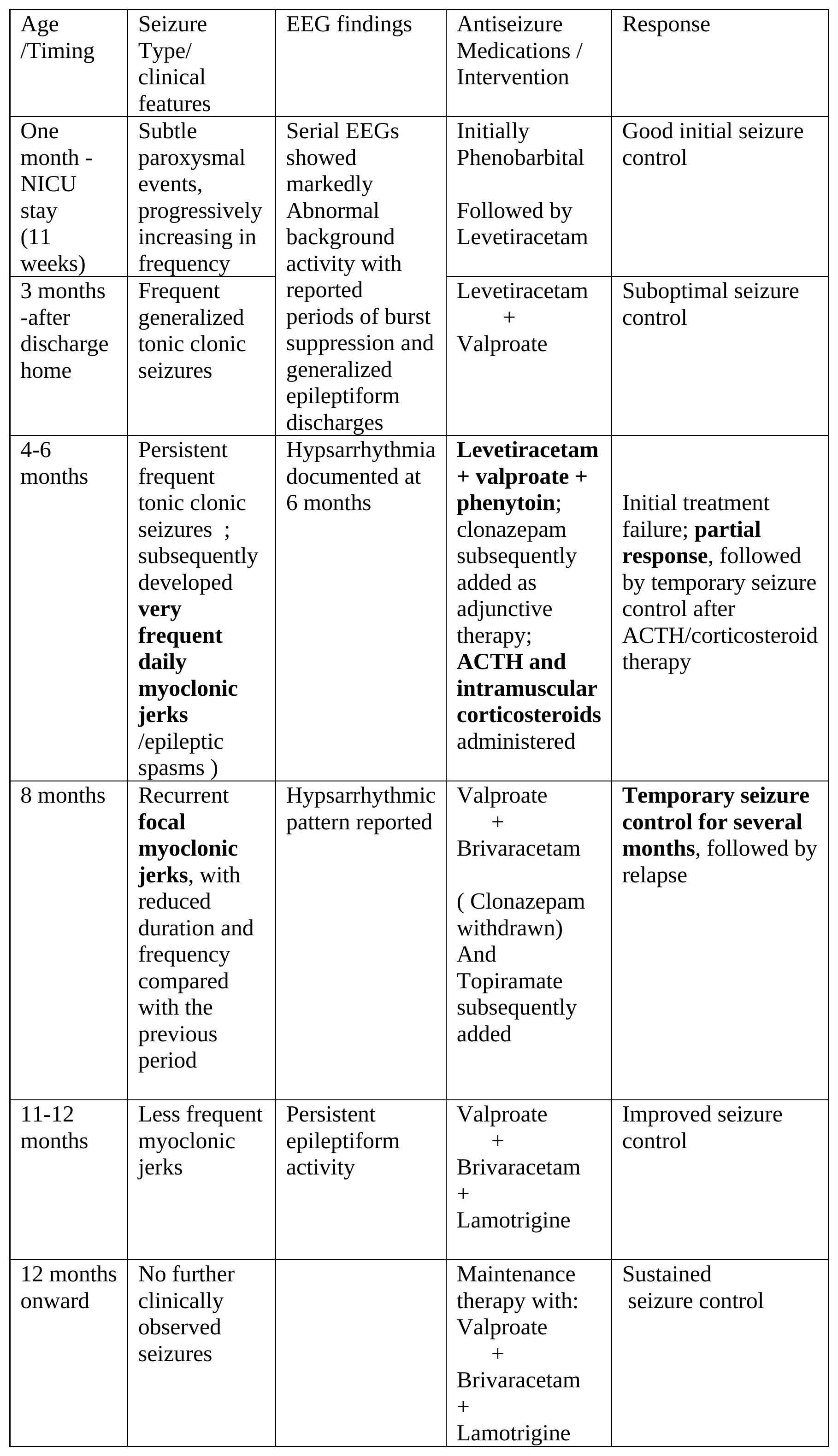
Case Presentation Summary: A male infant born at 27 weeks’ gestation (birth weight 1.2 kg) required prolonged NICU admission due to respiratory failure, pulmonary hypertension, and sepsis. Neuroimaging revealed progression to grade III intraventricular hemorrhage, diffuse hypoxic injury, and post-hemorrhagic hydrocephalus, later complicated by ventriculomegaly, periventricular leukomalacia, and cerebral atrophy. Seizures began at one month of age and evolved into frequent generalized and focal seizures refractory to multiple antiseizure medications, reaching 10–20 episodes daily (Table 1). The patient developed severe global developmental delay, spastic quadriplegia, axial hypotonia, and absent social interaction.
A structured multidisciplinary approach was initiated, including optimization of antiseizure therapy, spasticity management, nutritional support, and intensive rehabilitation. A multimodal neurorestorative protocol was subsequently introduced after obtaining informed parental consent, incorporating metabolic and neurotrophic agents (choline, methylcobalamin, L-carnitine, coenzyme Q10), along with Cerebrolysin, intranasal insulin, and omega-3 fatty acids. Marked clinical improvement was observed. By 22 months, the child achieved head control, rolling, vocalization, and emerging social engagement. By two years of age, the patient became seizure-free on antiseizure medications, with sustained developmental gains despite persistent neurological deficits.
Learning Points Discussion: This case highlights the potential for meaningful neurological recovery in severe prematurity-related brain injury with refractory epilepsy when a comprehensive, multimodal strategy is applied. Optimization of antiseizure therapy and rehabilitation remain central, while adjunctive neurorestorative interventions may further support neuroplasticity and functional recovery. Emerging therapies such as Cerebrolysin and intranasal insulin are of particular interest due to their proposed effects on synaptic function, neuronal survival, and cerebral metabolism. However, their use remains investigational and requires additional validation. Further studies are needed to evaluate the role of multimodal neurorestorative approaches in similar high-risk pediatric populations.