Vaccination Equity:
Reaching every child, every community.
Safe and effective vaccines exist yet significant inequities in vaccination uptake and protection persist across populations and settings. Children and families experiencing poverty, social exclusion, marginalization, and limited access to services continue to be left behind, with consequences that extend across the life course.

Why Vaccination Inequities Persist?
Vaccination inequity is too often framed as a problem of individual choice or "vaccine hesitancy." The evidence is clear: inequities are predictable, patterned, and preventable outcomes of how systems are designed, measured, and experienced. Families are not failing to vaccinate — in many cases, systems are failing families.
Data Blind Spots
Aggregate national coverage figures mask deep inequalities between socioeconomic groups and geographies. Systems can appear high-performing while clusters of vulnerability go undetected.
Structural and Socioeconomic Barriers
Poverty, housing instability, inflexible clinic hours, and complex appointment systems all limit access — even when vaccines are free.
Trust Rooted in Lived Experience
Mistrust in vaccination often reflects mistrust in institutions. Where services are inconsistent or inaccessible, scepticism is a rational response.
Community Decision-Making
Vaccination decisions are shaped by shared values, social networks, and moral frameworks. Effective programs must engage with how communities actually make decisions.
Campaign Resources
Stay informed with the latest updates from the Excellence in Pediatrics Institute.
From Evidence to Action
The Summit produced a set of shared commitments that form the basis of an action-oriented agenda:
Equity by Design
Make equity a measurable objective across vaccination policy, delivery, and accountability.
Better Data
Use equity-sensitive indicators to reveal disparities hidden within national averages.
Early Integration
Build equity into vaccine programmes from the beginning, not as a correction.

Remove Barriers
Address the social and structural obstacles that limit access to vaccination.
Rebuild Trust
Strengthen confidence through transparency, responsive services, and clear communication.
Community Partnership
Embed community engagement and co-design into vaccination systems and programmes.
Latest Announcements & Reports
Stay informed with the latest reports, strategic updates, and prevention-focused insights from the LifeCourse Prevention Initiative and its global partners.
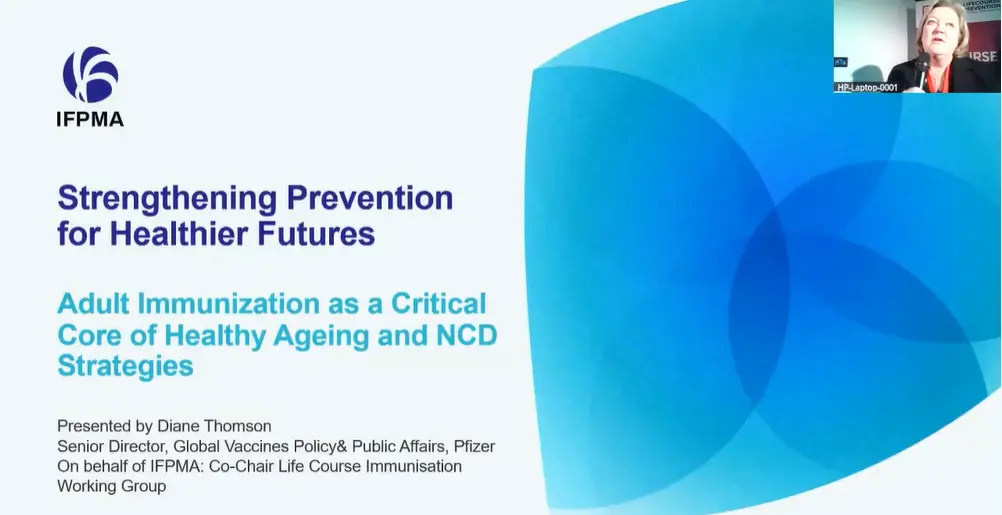
Why Lifecourse and Adult Immunization are Essential for an Aging Society (Diane Thomson)
Diane Thomson makes the case for embedding vaccination within non-communicable disease management, arguing that immunization is an underutilized tool for protecting aging populations, reducing health system strain, and delivering significant economic returns.
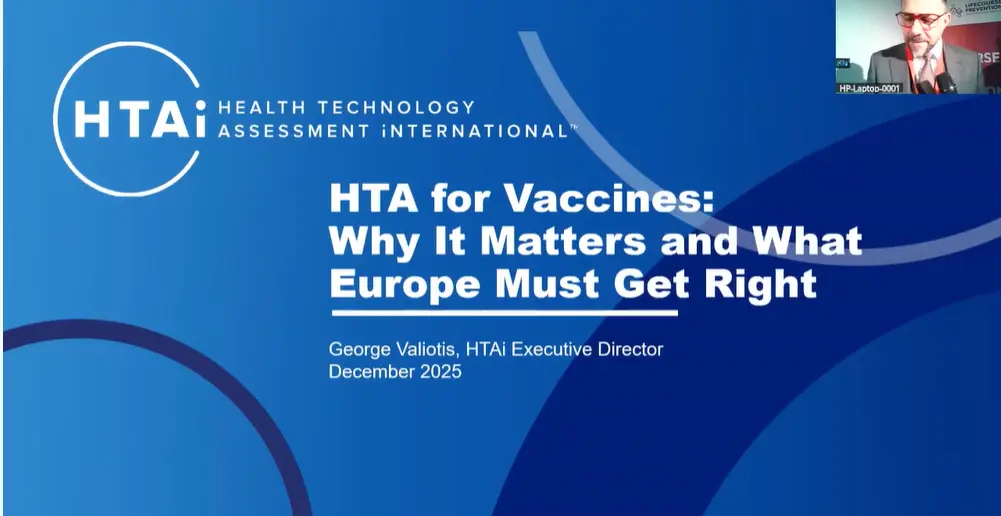
Health Technology Assessment for Vaccines: Why It Matters and What Europe Must Get Right (George Valiotis)
George Valiotis explains what Health Technology Assessment means for vaccines in Europe, and why getting it right matters for ensuring that new vaccines reach patients equitably and efficiently across EU member states.
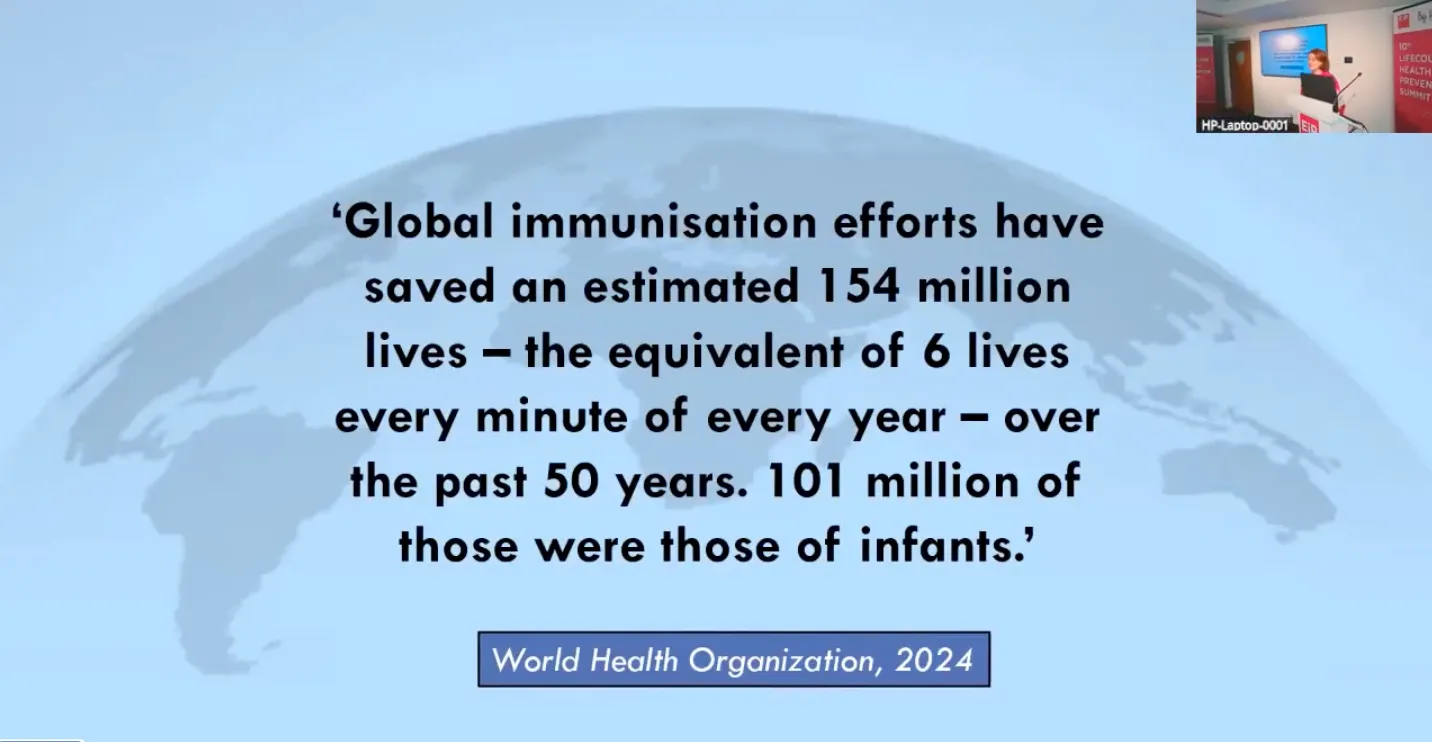
Addressing Health Inequalities in RSV: Lessons from Barnardo's Public Health Campaign (Rukshana Kapasi)
Rukshana Kapasi presents Barnardo's RSV public health campaign, showing how a culturally competent, community-led approach can reach underserved families and reduce health inequalities in pediatric respiratory care.
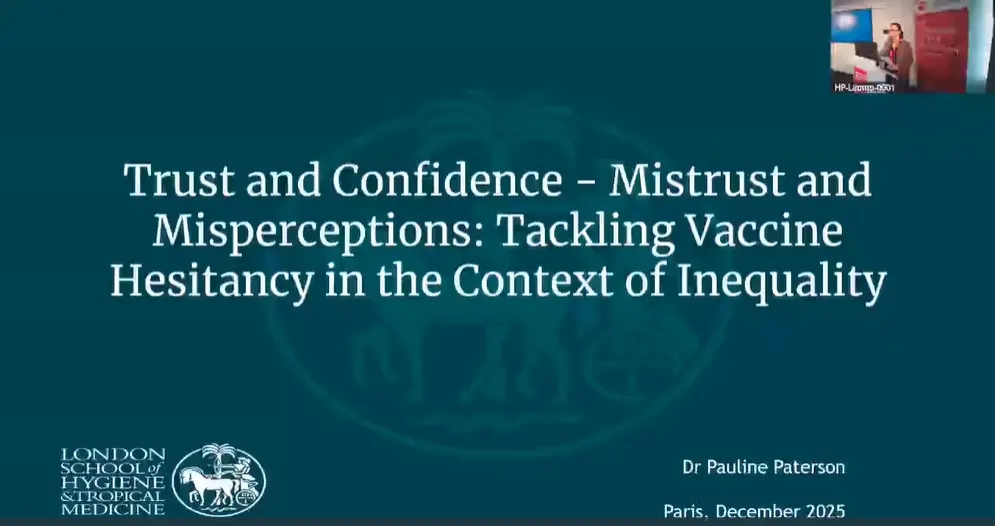
Mistrust and Misperceptions: Vaccine Trust and Confidence in the Context of Inequality (Pauline Paterson)
Pauline Paterson examines the drivers of vaccine hesitancy and declining confidence globally, presenting evidence on the role of trust, misinformation, and institutional credibility in shaping vaccination decisions.
.webp)
Addressing Structural Barriers to Childhood Vaccination in Underserved Communities: Insights from Co-Designed Interventions (Monica Lakhanpaul)
Monica Lakhanpaul examines the structural and behavioral barriers to vaccination in underserved communities, arguing that health systems must be redesigned around people's lived realities rather than expecting communities to fit into existing structures.
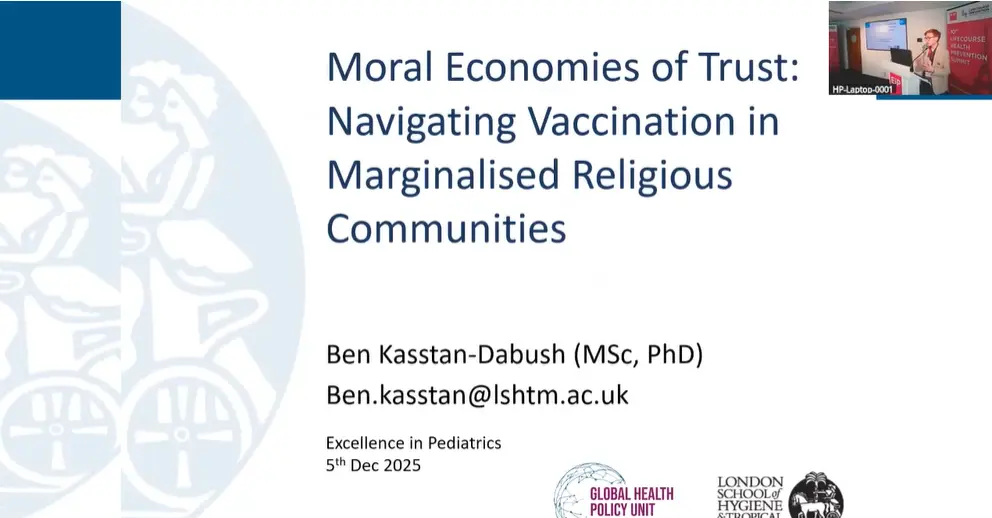
Moral Economies of Trust: Navigating Vaccination in Marginalized and Religious Communities (Ben Kasstan-Dabush)
Ben Kasstan-Dabush examines how trust and mistrust shape vaccination decisions in marginalized religious communities, challenging assumptions about religion as a barrier and presenting practical approaches to sharing responsibility for community health.