Tackling falling immunisation rates with insight, action, and education. With the support of Pfizer, the Excellence in Pediatrics Institute has surveyed pediatric healthcare professionals to uncover barriers and potential solutions to prioritise routine pediatric immunisation in Europe better.

Despite decades of progress, routine childhood immunisation faces growing challenges across Europe. Healthcare professionals report declining uptake, increasing vaccine hesitancy, and persistent barriers that make it harder to protect children against vaccine-preventable diseases.
Building trust through evidence-based communication and accessible information that helps families make informed vaccination decisions.
Providing clinicians with practical training, resources, and tools to confidently address questions and improve uptake.
Reducing logistical and administrative barriers to ensure vaccination remains accessible, convenient, and integrated into routine care.
Using real-world evidence and frontline insights to support stronger immunisation strategies and public health decision-making.
Stay informed with the latest updates from the Excellence in Pediatrics Institute.
The RSV Impact Assessment Survey reveals the scale and complexity of RSV’s burden across frontline care settings.
2026 Report
Infants and children aged 6–12 months suffer disproportionately from RSV, with higher hospitalization rates and prolonged recovery.

Underuse of lab testing leaves many RSV cases unconfirmed, complicating both care and public health tracking.

While awareness of prevention is widespread among pediatricians, recommendations for vaccination remain inconsistent.

Most physicians expressed a strong need for updated clinical guidelines and hands-on training sessions.
The report identifies three critical areas that require immediate attention:
Rapid, affordable RSV testing must become standard practice—not a rare option.
Disparities in referral and monitoring highlight the need for unified care protocols.
Without clear implementation guidance, uptake of preventive RSV measures remains fragmented.
Stay informed with the latest reports, strategic updates, and prevention-focused insights from the LifeCourse Prevention Initiative and its global partners.
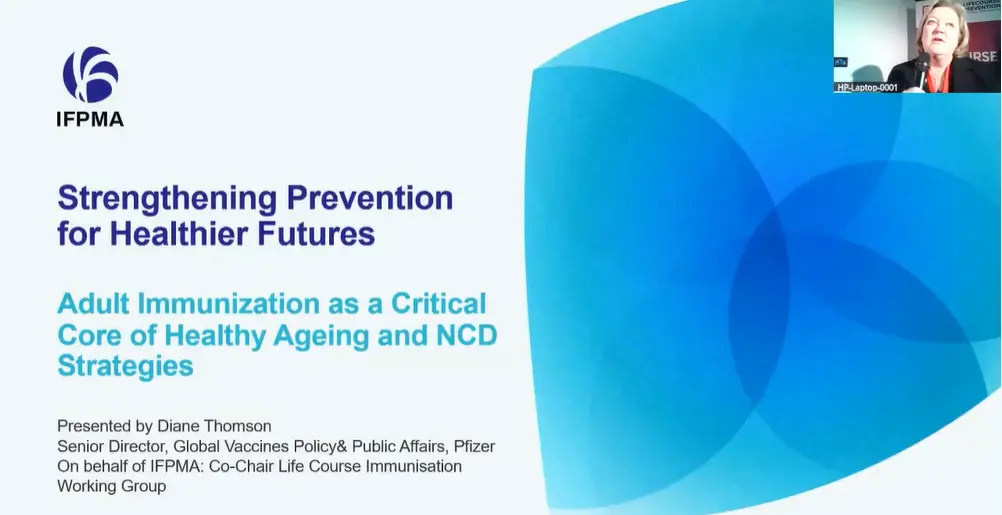
Diane Thomson makes the case for embedding vaccination within non-communicable disease management, arguing that immunization is an underutilized tool for protecting aging populations, reducing health system strain, and delivering significant economic returns.
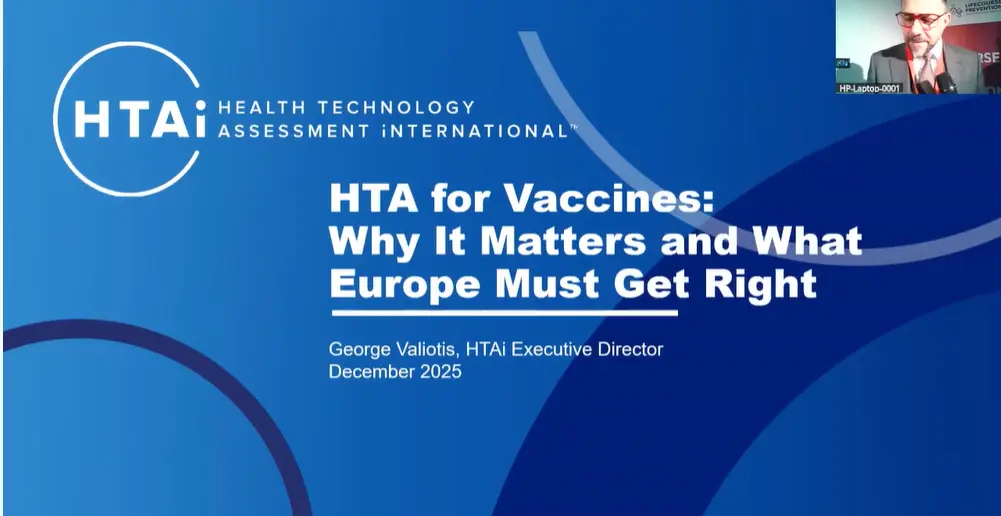
George Valiotis explains what Health Technology Assessment means for vaccines in Europe, and why getting it right matters for ensuring that new vaccines reach patients equitably and efficiently across EU member states.
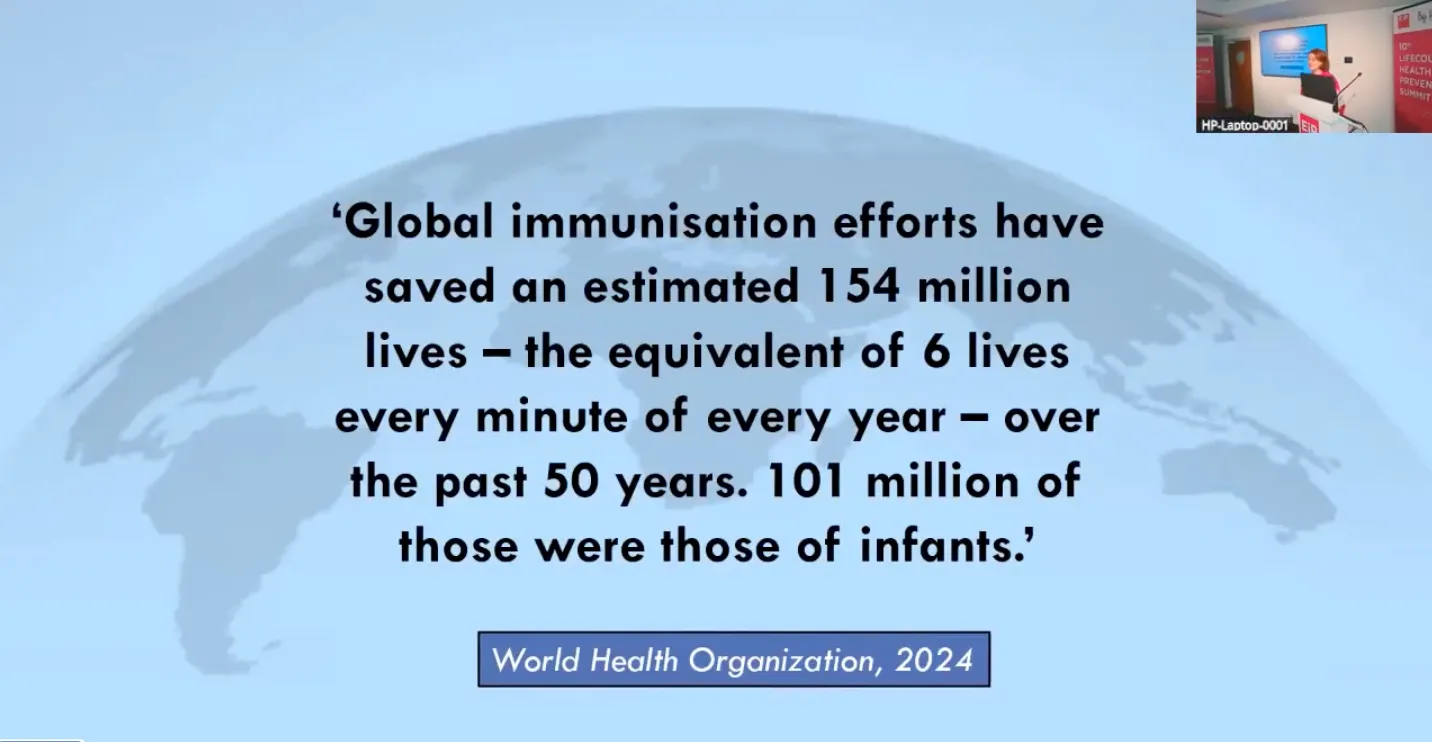
Rukshana Kapasi presents Barnardo's RSV public health campaign, showing how a culturally competent, community-led approach can reach underserved families and reduce health inequalities in pediatric respiratory care.
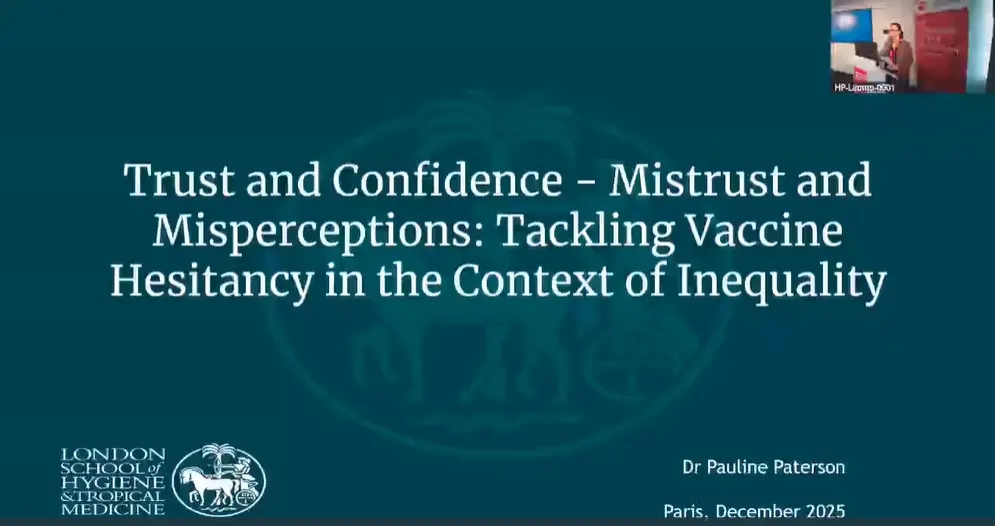
Pauline Paterson examines the drivers of vaccine hesitancy and declining confidence globally, presenting evidence on the role of trust, misinformation, and institutional credibility in shaping vaccination decisions.
.webp)
Monica Lakhanpaul examines the structural and behavioral barriers to vaccination in underserved communities, arguing that health systems must be redesigned around people's lived realities rather than expecting communities to fit into existing structures.
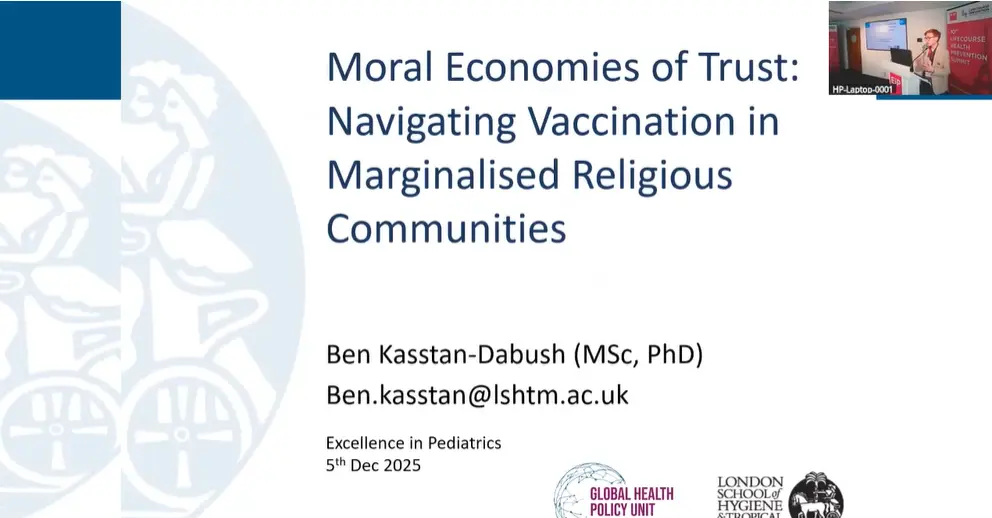
Ben Kasstan-Dabush examines how trust and mistrust shape vaccination decisions in marginalized religious communities, challenging assumptions about religion as a barrier and presenting practical approaches to sharing responsibility for community health.