
New content
Dr. M. Rossi · Neonatology
Mentorship, knowledge and community — built for the clinicians, researchers and educators shaping the next decade of child health.

The EIP Mentoring Academy is built on three commitments to every member — mentorship, a living knowledge base and a global peer community.
One-to-one and small-group mentoring with faculty from the world's leading children's hospitals.
Hundreds of webinars, briefings, abstracts and ePosters — curated, searchable and always fresh.
Connect with colleagues across 60+ countries through forums, Ask-the-Expert and regional chapters.
Two tiers, one community. Level 1 is free for every pediatric professional. Level 2 unlocks mentorship, recordings and research support — Level 2 content is signalled with a lock and an upgrade prompt.
Explore upcoming summits, policy discussions, and collaborative initiatives shaping the future of prevention across the LifeCourse.
Stay informed with the latest reports, strategic updates, and prevention-focused insights from the LifeCourse Prevention Initiative and its global partners.
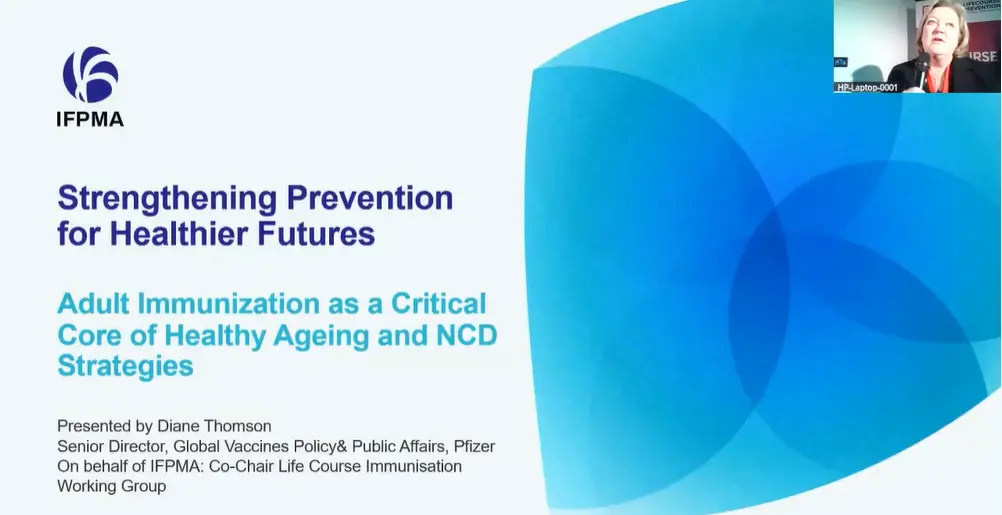
Diane Thomson makes the case for embedding vaccination within non-communicable disease management, arguing that immunization is an underutilized tool for protecting aging populations, reducing health system strain, and delivering significant economic returns.
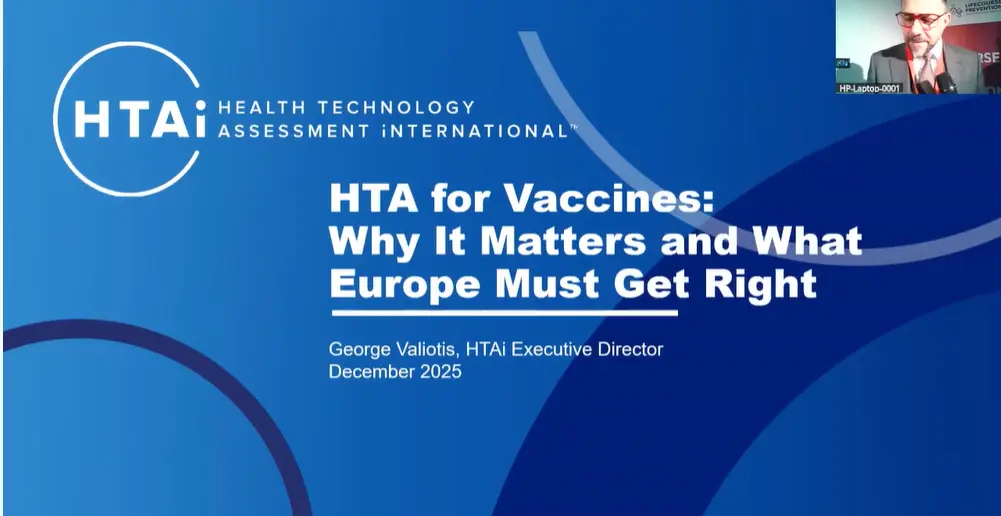
George Valiotis explains what Health Technology Assessment means for vaccines in Europe, and why getting it right matters for ensuring that new vaccines reach patients equitably and efficiently across EU member states.
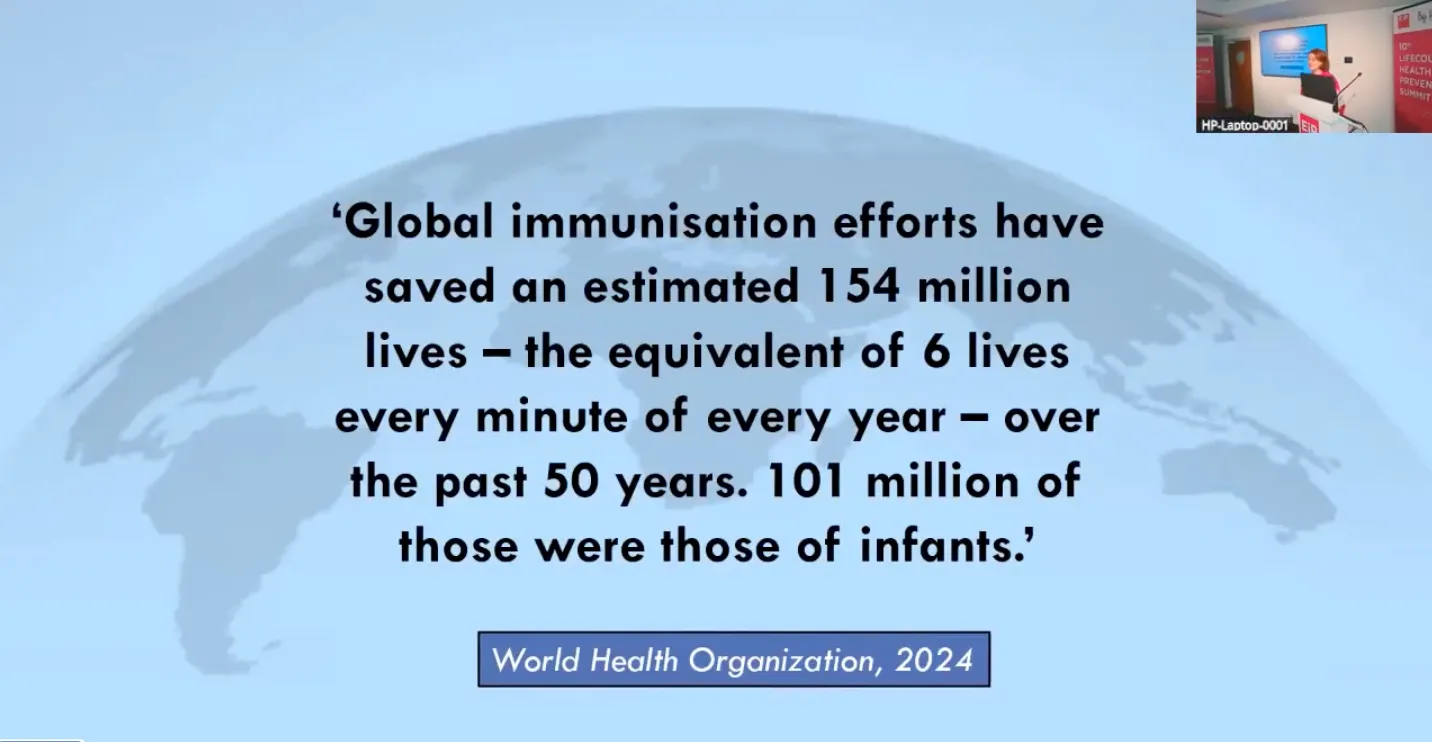
Rukshana Kapasi presents Barnardo's RSV public health campaign, showing how a culturally competent, community-led approach can reach underserved families and reduce health inequalities in pediatric respiratory care.
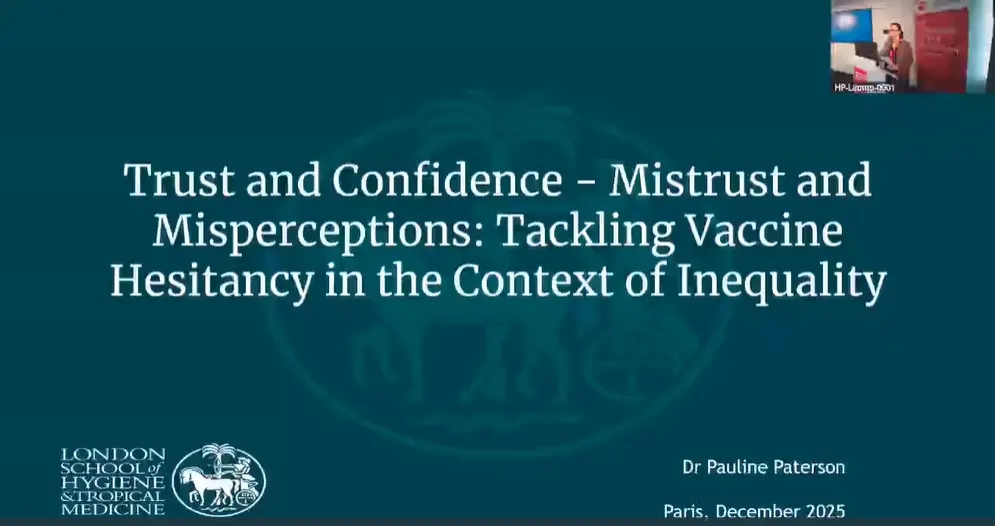
Pauline Paterson examines the drivers of vaccine hesitancy and declining confidence globally, presenting evidence on the role of trust, misinformation, and institutional credibility in shaping vaccination decisions.
.webp)
Monica Lakhanpaul examines the structural and behavioral barriers to vaccination in underserved communities, arguing that health systems must be redesigned around people's lived realities rather than expecting communities to fit into existing structures.
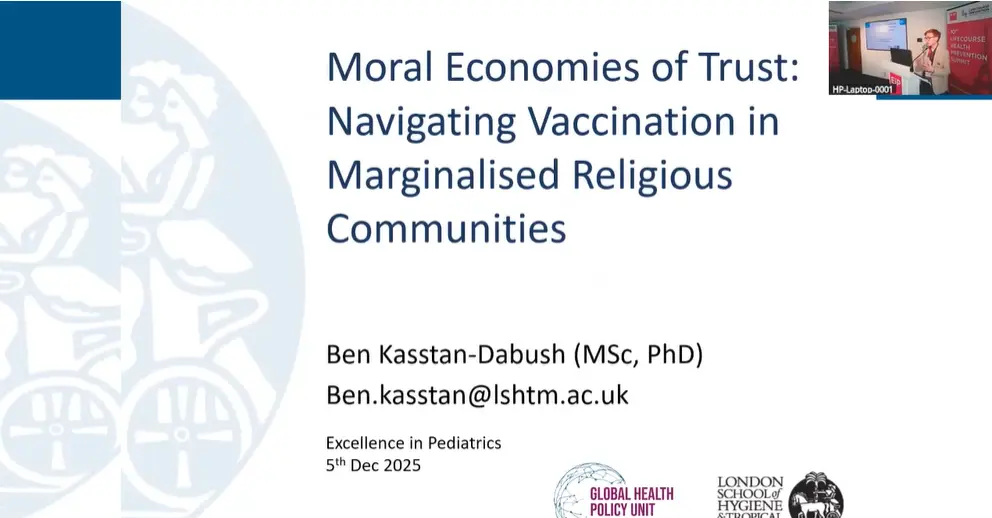
Ben Kasstan-Dabush examines how trust and mistrust shape vaccination decisions in marginalized religious communities, challenging assumptions about religion as a barrier and presenting practical approaches to sharing responsibility for community health.
.webp)
.webp)